Even without those three big words, your baby loves you. Understanding your child’s love language and developmental stages might help you recognize trust and love. Your kid loves you by staring at you or crying when you leave the room. This shows that even little acts show love for youngsters.
Babies and caregivers connect quickly after birth. You’re creating a stable bond when you react to your baby’s screams.
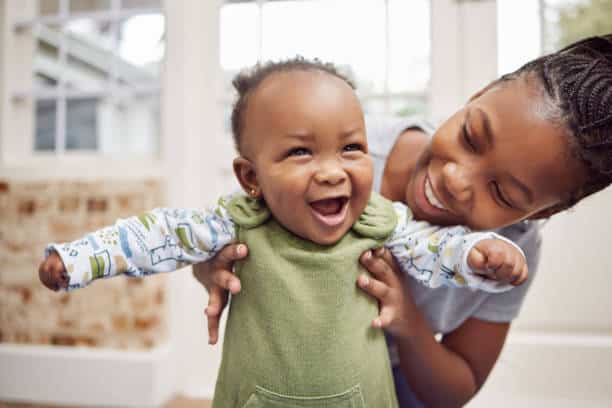
Your infant shows love by being soothed. When you hold your newborn, they may settle. Most infants will grin when you chat with them around two months. Many parents find such grins wonderful. By four months, your kid will smile unprompted and try to say “I love you” across the room.
Kids have simple love languages: If you love your kid, they will love you. A secure connection is essential for good emotional development throughout your baby’s life. Responding to your baby’s cries and satisfying their needs from birth helps create trust. Your infant will believe the world is secure if they trust you.
RELATED: 10 Things You Should Reconsider Saying To Your Kids
Staring Infants look at you. Babies’ gazing is lovely, even if we’re taught it’s impolite. Your face is a newborn’s favorite. Yes, it’s instinct, but it also shows your baby loves you. By two months, most newborns have learned the soulful stare, a programmed survival strategy to garner affection and attention from their caregiver.
Your scent is familiar. Your infant will choose your sweaty, milk-stained T-shirt over a dozen fresh flowers every time. Babies feel protected and socialize with mom’s fragrance. Next time your infant snuggles close, accept it as a show of affection.
You’re smiled at. It’s beautiful when your baby smiles for the first time. Most newborns will grin back at you by two months, and by four months, they’ll smile to grab your attention, which is even cuter. They’re saying, “I love you.”
You’re acknowledged. Your baby’s first coos will express “love you too” to you or another trusted caregiver. By four months, newborns will respond to your voice by making noises and turning their heads to find you. At least for now, they want to hear everything you say!
They’d welcome you. As they grow more aware of the world, newborns begin recognizing that certain individuals are familiar and their favorites. Newborns can distinguish between grandparents, siblings, and parents by six months. Soon, they’ll exhibit a strong preference for loved ones, showing caution around strangers and perhaps developing separation anxiety by nine months.
They share your interests. Your infant will examine Christmas lights and filthy laundry if you do. Joint attention, which starts at a few months old, is more noticeable from 9 to 12 months.
You protect them. Don’t be startled if your infant hides their head in your chest when someone new arrives. Your baby’s “stranger anxiety” is natural, and coming to you for safety shows they love and trust you.
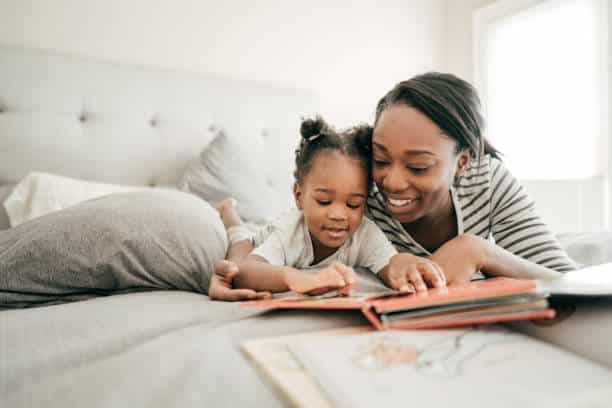
Kisses and hugs. Unexpected love? Please! Be prepared for hugs, cuddling, and sloppy kisses from your 15-month-old.
You guide them. How would your child react to an elephant cooking an egg in the kitchen? They may look to you. Toddlers utilize your emotions to make sense of a complicated and unpredictable environment. They trust you. Around 9 months, your child will go to you for comfort.
Toddlers excel at imitation, the truest form of flattery. They mimic you. Does your child use your keys to unlock the door? Do they mirror-fix their hair like you?
They interact. The babyhood banter has evolved. Your toddler wants to answer your inquiries, see your response, and share their views in their own manner. Social-emotional reciprocity shows your toddler’s trust in you.
You’re their home base. Your child may explore and cuddle in a new setting. They may even look to you for comfort. It shows trust and connection.
They want your help. A huge dog approaches your kid as you stroll through the park. They reach out for you to hold them. It’s normal, but it shows your child trusts and loves you.
You reassure them. Your child may stretch out their hand for a kiss or plead for a hug after a tumble. They trust you to console them.
RELATED: 30 Little Things That Mean A Lot To Kids
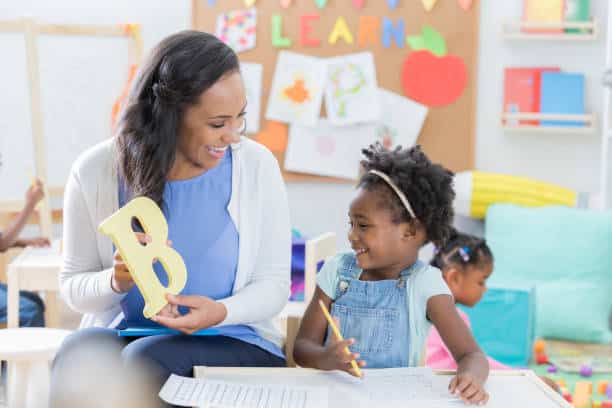
You’re their idol. Your youngster still imitates you, but it’s more sophisticated. They’ll “make an important call” while pounding their “computer” or swearing while driving their ride-on automobile (oops).
They profess their love. Finally! Many 3–4-year-olds can form brief phrases. They may even say they love you. “I love you, Mommy” or “Your skin is so soft” may be heard. They’re synonymous.
Misbehave. When you go to talk to a friend at the playground, your preschooler grabs toys and throws sand. Toddlers prefer negative attention to none. This frustrating conduct shows how much your kid values you.
They comfort. Preschoolers may surprise you with empathy. When you cry, they may give you their blanket or kiss you. When harmed, they behave like you. Lovely.
Words damage you. Love shouldn’t hurt, but loving our kids can. If you upset your preschooler, they may say, “Mommy’s a poopy-head” or “I detest you!” It’s not enjoyable to hear, but it shows how much your kid cares about you—they feel secure expressing their huge feelings around you.
You may get a front-yard flower, a glittering pebble, a crayoned self-portrait, or a “chocolate marshmallow sundae” made of bathwater and bubbles. Your preschooler’s hilarious and heartfelt presents prove you’re unique.
Your preschooler may embrace and brag after a long absence. Bonus: Even if they screamed when you left! Your homecoming is celebrated.

When your kid confides in you, it displays trust. They trust you to help them cope and are receptive to your suggestions.
They want to help. Your youngster may offer to make you tea or breakfast. After the toddler and preschool years, when you may have felt like a 24-hour server, this is a wonderful display of love.
We sometimes disappoint our kids. Due to your longstanding, caring connection, large kids are more likely to handle this. They’ll be more understanding if you’re sick and have to postpone a game until morning. They appreciate your requirements and believe you’ll follow through.
They praise you. Parents often boast about their children. Our children also praise us. “My mother can run faster than anybody” is a statement of love and appreciation from your large child.
If your youngster says, “These are my favorite! Thanks!” after eating a snack, respond, “I love you too.” Just soak in the light.
You embarrass them. Your child’s morning drop-off “no hugging or kissing” rule doesn’t imply they don’t love you. They trust you by stating their limitations. Even though they delay the delicious farewell, they know they have your affection.
Your school-aged youngster can and will bargain. They’ll listen to you because they believe you’ll listen. You may negotiate screen time and assignments.


By subscribing, you consent to receive emails from BlackDoctor.com. You may unsubscribe at any time. Privacy Policy & Terms of Service.