
For individuals living with Chronic Kidney Disease (CKD) or undergoing dialysis, food is more than just fuel—it is a critical component of medical treatment. Two minerals, potassium and phosphorus, take center stage in this dietary journey. While they are essential for healthy bodily function, they can become silent toxins when the kidneys are no longer able to filter them effectively.
Understanding how to balance these minerals is essential for preventing complications, protecting the heart, and maintaining bone health, according to a Davita dietician.
Potassium is a mineral found in the majority of the foods we consume. In a healthy body, it serves as an electrolyte, carrying a small electrical charge that activates various cell and nerve functions.
Potassium is necessary for muscle contraction—including the most important muscle of all, the heart. It also supports a healthy nervous system and helps maintain the correct balance of fluids within your cells.
In a healthy individual, the kidneys act as a precision filter, maintaining blood potassium levels within a narrow, safe range. However, for those with kidney disease, potassium can quickly build up to dangerous levels. This condition, known as hyperkalemia, is a medical emergency.
Because potassium controls the rhythm of the heart, an excess can lead to:
For patients on hemodialysis, potassium is particularly concerning because it accumulates in the blood during the days between treatments.
Phosphorus is another mineral that the body requires, though its primary functions are structural rather than electrical.
Working alongside calcium, phosphorus is essential for building and maintaining strong bones and teeth. It also plays a vital role in metabolism, helping the body convert the food you eat into usable energy.
Healthy kidneys efficiently dump excess phosphorus into the urine. When kidney function declines, phosphorus levels rise, leading to a cascade of health issues. High phosphorus levels signal the body to pull calcium out of the bones to try and find a balance. This results in:
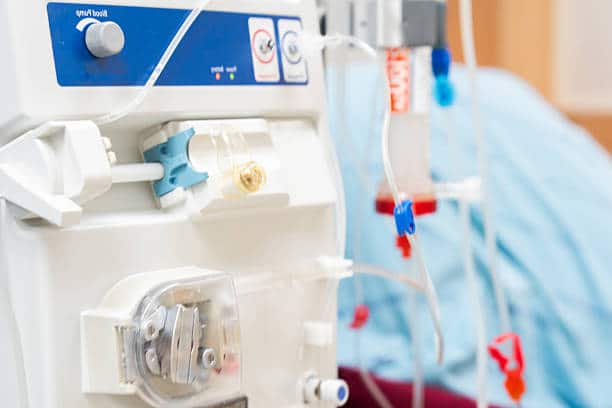
Not all dialysis treatments are the same, and your dietary requirements will shift significantly depending on which modality you use.
Hemodialysis is usually performed three times a week. Because there are long gaps between treatments, the diet must be very strict. Potassium and phosphorus accumulate in the blood for 48 to 72 hours at a time. Patients must carefully monitor every milligram to avoid the “rollercoaster” effect of mineral spikes.
Because PD is typically performed daily (or even continuously at night), it is much more efficient at removing potassium. In fact, many PD patients struggle with low potassium. Consequently, their diet is more liberal. They may be encouraged to eat high-potassium foods like bananas, oranges, and tomatoes to keep their levels in a healthy range.
However, phosphorus remains a challenge for PD patients. Peritoneal dialysis does not remove phosphorus well, meaning even those on PD must remain vigilant about their phosphorus intake and often need to take phosphorus binders.
One of the greatest challenges for dialysis patients is identifying which foods are safe. This is complicated by “Double Jeopardy” foods—items that are high in both potassium and phosphorus. These are the primary foods to limit or avoid entirely.
Most high-potassium foods are plant-based. Fruits like bananas and melons, and vegetables like potatoes and spinach, are high-potassium heavyweights.
High-protein foods, such as red meats, poultry, and fish, are naturally high in phosphorus. Additionally, processed “convenience” foods often contain phosphorus additives (phosphates), which are absorbed by the body at a much higher rate than naturally occurring phosphorus.
RELATED: Eating for Your Kidneys? Try These 15 Foods
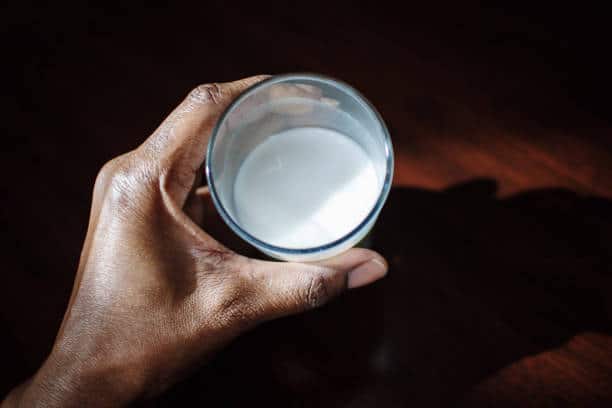
These foods carry a “double hit” and should be replaced with safer alternatives
Safer alternatives: Almond milk, unenriched rice beverage, or small amounts of vegan cheese.
Safer alternatives: Lemon or apple-based desserts, white cake, or rice-crispy treats.
Safer alternatives: Broth-based soups or soups made with pureed vegetables and milk substitutes.
Safer alternatives: Low-salt pretzels, popcorn, or cream cheese and jam on bread.
Safer alternatives: Sorbet, sherbet, or fruit popsicles.
Safer alternatives: Green beans or wax beans.
Safer alternatives: While nutritious, whole wheats are high in minerals. Refined products (white bread/pasta) may be recommended depending on lab results.
Managing a dialysis diet is a marathon, not a sprint. To stay healthy and avoid the hospital, consider these proactive steps:
Living with kidney disease requires a high level of mindfulness regarding what you put on your plate. While the restrictions on potassium and phosphorus can feel overwhelming at first, they are the keys to a longer, more comfortable life.
Your renal dietitian is your best resource. They can review your monthly lab work and tell you exactly where you can afford to be flexible and where you need to be firm. By choosing smart alternatives and staying disciplined, you can protect your heart, save your bones, and feel your best.


By subscribing, you consent to receive emails from BlackDoctor.com. You may unsubscribe at any time. Privacy Policy & Terms of Service.