
Collard greens so delicious they “make you want to slap your grandma.” Mac and cheese so rich and incredible that you just know your mama “put her foot in it.” Auntie’s sweet potatoes topped with marshmallows. All the salt and pork added to season everything just right, like folks used to do back in the day—before low-sodium, no-fat, and low-sugar were more than just ideas. Black-eyed peas? Add some fat to them. Pinto beans? Add some fat to those, too. Lima beans? You guessed it: add some fat. And don’t forget the sweet tea to wash it all down. Fried chicken or fried fish, along with baked ham, are usually included in the spread. Buttermilk biscuits made from scratch are smothered in butter and honey, and hush puppies and cornbread are readily available with the expectation that you’ll indulge in all three starches (without worrying about the carbs) rather than just choosing one. And it wouldn’t be a meal without a multitude of desserts—sweet potato pie, apple pie, pecan pie, peach cobbler, and pound cake, please. It’s like a litany of treats that will be completely devoured by the end of the gathering. If there are any leftovers, folks will make you a plate to take home. These are the traditional standards that define a typical meal we share at special gatherings. When we sit down at the table to break bread with family and friends, we expect to enjoy comforting food in good company, without worrying about whether our meals are healthy. The classic dishes we refer to as soul food are rich in traditional flavors, but could all that flavor be too much of a good thing? While soul food can be comforting, if consumed regularly, it might negatively impact your health. Soul food is often perceived as less healthy than other food options, which are typically considered more expensive. While soul food can be flavorful and comforting, it is generally high in sodium, fat, and sugar, which can lead to negative health outcomes. Contrary to popular belief, soul food is not necessarily cheaper than more nutritious meals. The core ingredients of soul food are budget-friendly and won’t strain your finances. Importantly, soul food carries cultural significance, stemming from ingredients that were affordable and accessible to enslaved people. By making a few modifications to traditional recipes, it is possible to prepare soul food in a way that is more nutritious and lower in excess sugar, fat, and sodium. In moderation and on special occasions, you can enjoy a healthier version of this beloved cuisine while still savoring its rich heritage. Let’s examine the ingredients we have, identify what makes traditional soul food unhealthy, and explore healthier substitutions for the less nutritious preparations and ingredients. By transforming soul food into more health-conscious options, you and your loved ones will keep coming back for more! RELATED: Soul Food Remix: Five Soul Food Recipes Without The Bad Stuff
With such a healthy core to soul food, you may be wondering: what’s the problem? The problem isn’t in the basics above that make up the core ingredients of soul food, but in the traditional preparation of those core ingredients.
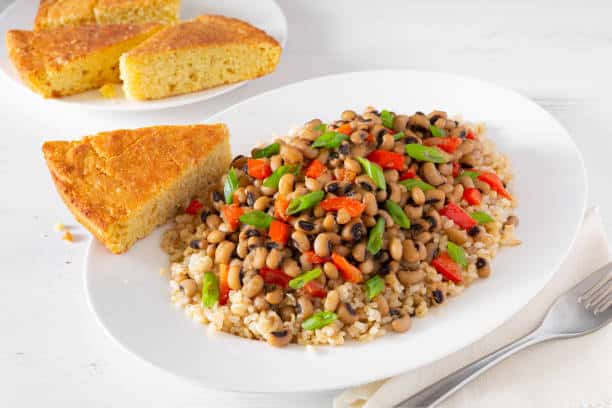
Consider the unhealthy ingredient additions and health-harming cooking methods in soul food’s traditional preparations.
RELATED: Soul Food and Sugar: 6 Delicious Substitutes for Black Diabetics
That was the bad news. Now for the hope:
Save money and improve your nutrition by using these modifications, swaps, substitutions, and adjusted cooking styles. You can return to the healthy core of soul food, and not only will it be good for your soul, but it will also be good for your body. Try out these tips for intentional cooking and ingredient changes on yourself, then by the holidays, you’ll have your family and friends eating healthier without noticing any change in flavor. Your soul food ingredient swaps will be healthy, but also tasty and worthy of any special occasion or feast.


By subscribing, you consent to receive emails from BlackDoctor.com. You may unsubscribe at any time. Privacy Policy & Terms of Service.