
Clinical trials are when a team of scientists and doctors tries a new medical treatment, drug, device or method on a group of people to test how well it works. The purpose of a clinical trial is to find a new and improved method to treat, prevent or diagnose different types of illness.
Whether you’ve already enrolled in a clinical trial or just started your search, here are five tips on how to prepare for the experience.
The first and most important tip in preparing for a clinical trial is to compile a comprehensive folder of your medical history. This should include documents that state any pre-existing conditions, previous diagnoses, medications, and allergies.
This step allows you to streamline the screening process, ensure an accurate assessment of your eligibility for clinical trials and allows you to confidently facilitate discussions with health care providers and research staff. During the trial enrollment process, researchers can evaluate your suitability for specific trials.
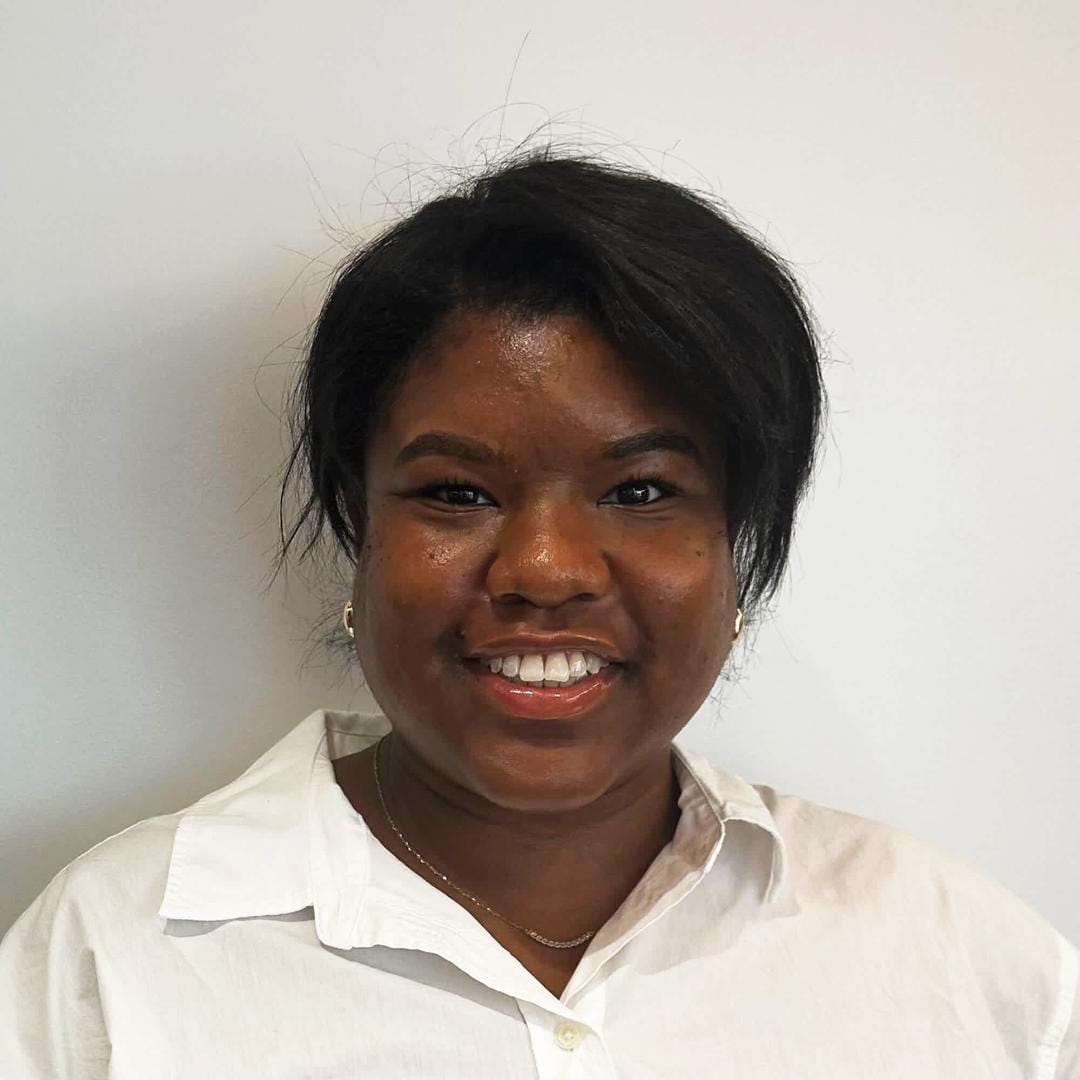
Bianca Green, RN, says having your medical history handy is imperative. She told BDO “It’s important because you don’t want to be excluded for something you don’t have or take a medication that may interact with a drug you may have taken in the past if there hasn’t been enough time since you’ve taken that particular drug. More importantly, don’t leave the clinic until you know exactly what you have. Get the doctor to write it down.”
Bianca Green, RN is Clinical Program Diversity Head at UCB. She has over 15 years of experience serving as a Clinical Research Monitor, Research Nurse Coordinator, Gynecology Oncology Bedside Nursing, and Oncology researcher at the benchtop.
When preparing for clinical trials, utilize online clinical trial search tools and databases, such as BlackDoctor.org, ClinicalTrials.gov, or

ResearchMatch. These databases identify relevant clinical trials that match your medical condition, treatment preferences, and geographic location.
During your search, narrow down search results using filters such as trial phase, eligibility criteria, and study location to find trials that align with your specific needs and preferences. Regularly monitor and update your search criteria to stay informed about new clinical trial opportunities and advancements in medical research relevant to your health condition or interests.
In a recent interview, Green shared “I’d also say to also use a survivor group that may have someone knowledgeable about your disease and ask them if they have someone who can help you look for clinical trials you might be eligible for. Also, remember that interventional means you will get some type of medical therapy and observational usually means your behaviors will be studied.”
A recent study reveals that nearly 30 percent of participants in clinical trials funded by the National Institutes of Health (NIH) are from minority groups, with Black Americans constituting about 15 percent of these participants.
Understand that your involvement can contribute to advancing medical knowledge and addressing health disparities affecting Black Americans.
Research the diversity and inclusivity practices of the clinical trial sponsor and study team to ensure that the trial adequately represents and addresses the health care needs of minority populations, including African Americans.
Engage in discussions with health care providers, community leaders, and advocacy groups to explore the broader societal impact of clinical research participation and advocate for increased diversity and representation in clinical trials.
Take the time to prepare a list of questions to ask the study team in your initial consultation or screening visit. These questions can help you gather essential information about the trial protocol, potential risks and benefits, and expectations for participation.
Green shared a few questions to consider:
By asking the provider these questions, you will be able to make an informed decision on if the trial is right for you. Don’t hesitate to seek clarification or additional information on any aspect of the trial that is unclear or concerning. Effective communication with the study team is crucial for making informed decisions about participating in a clinical trial.
Before the trial, medical professionals will provide you with detailed information about the treatment, outlining its potential advantages and risks. Following this, they will request your signature on a release form, signifying your informed consent to participate in the study. The informed consent will provide information such as what will be done to the participant, how the protocol (research plan) works, what risks or discomforts they may experience and how participation is completely voluntary.
During this process it’s important to not feel rushed, shared Green. Green also advises participants to take the time they need, ask if they can take the consent home to read over it and discuss it with their family or a trusted person.
She also advises participants to make sure they know all their options and understand what is required of them before signing on to the trial.
Most importantly know that informed consent is an ongoing process. Green adds on that you can and should always ask questions if you don’t understand the next step any time during the study. It’s important to know you can also withdraw or end your consent whenever you choose.

By subscribing, you consent to receive emails from BlackDoctor.com. You may unsubscribe at any time. Privacy Policy & Terms of Service.