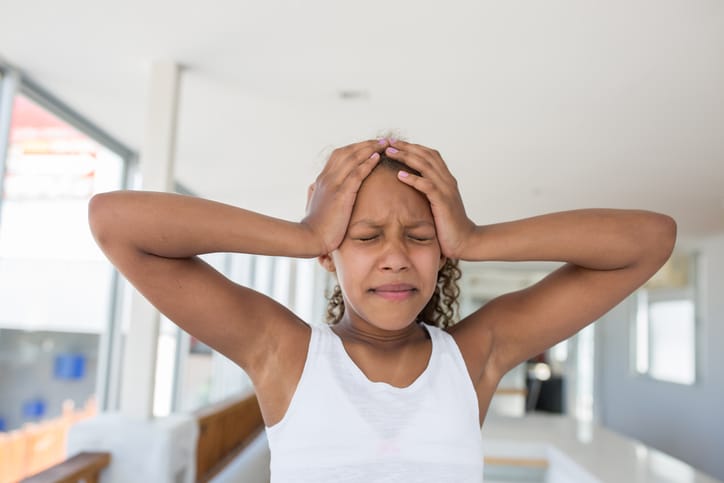
Everyone occasionally feels blue or sad, but these feelings are usually short-lived and pass within a couple of days. When you have depression, it interferes with daily life and causes pain for both you and those who care about you. Depression is a common but serious illness. Research has consistently shown that symptoms of depression are a key risk factor for suicide-related behaviors. According to the Centers for Disease Control and Prevention (CDC) High School Youth Risk Behavior Survey data, approximately 8.3 percent of African American teens compared to 6.2 percent of Whites attempt suicide.
Looking for more mental health resources? Find what you need here.
Although depression can be treated, many often do not receive care for a variety of reasons. However, depression can be treated and even those with the most severe depression can get better with treatment (such as medications, therapy, and other methods).
The DSM-5, which is used to diagnose psychiatric disorders, describes several forms of depressive disorders. Depressive disorders include: major depressive disorder, dysthymic disorder and minor depression.
Signs of Depression
How do children and teens experience depression?
Children who develop depression often continue to have episodes as they enter adulthood. Children who have depression also are more likely to have other more severe illnesses in adulthood.
A child with depression may pretend to be sick, refuse to go to school, cling to a parent, or worry that a parent may die. Older children may sulk, get into trouble at school, be negative and irritable, and feel misunderstood. Because these signs may be viewed as normal mood swings typical of children as they move through developmental stages, it may be difficult to accurately diagnose a young person with depression.
Before puberty, boys and girls are equally likely to develop depression. By age 15, however, girls are twice as likely as boys to have had a major depressive episode.
Depression during the teen years comes at a time of great personal change—when boys and girls are forming an identity apart from their parents, grappling with gender issues and emerging sexuality, and making independent decisions for the first time in their lives. Depression in adolescence frequently co-occurs with other disorders such as anxiety,eating disorders, or substance abuse. It can also lead to increased risk for suicide.Childhood depression often persists, recurs, and continues into adulthood, especially if left untreated.
How can I help a young person who is depressed?
If you know a youth who is depressed, it affects you, too. The most important thing you can do is help your friend or relative get a diagnosis and treatment. You may need to make an appointment and go with him or her to see the doctor. Encourage your loved one to stay in treatment, or to seek different treatment if no improvement occurs after 6 to 8 weeks.
To help your friend or relative
The following resource may be helpful to you and your family to locate services:
Mental Health Treatment Locator


By subscribing, you consent to receive emails from BlackDoctor.com. You may unsubscribe at any time. Privacy Policy & Terms of Service.