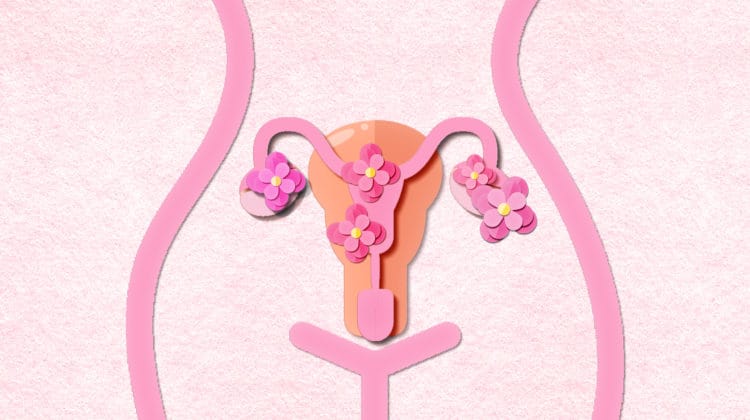
As the month of January brings cervical cancer awareness front and center, now is the time for women to take control of their health journey. Outside of keeping regular appointments with your OB-GYN, an effective way to check your cervix is with an at-home cervical test.
As cervical cancer affects the part of the body that connects the uterus (womb) to the vagina (or birth canal), it’s important to make sure there aren’t any abnormalities that are going overlooked.
According to the National Cervical Cancer Coalition, each year in the United States, more than 11,000 women are diagnosed with cervical cancer and approximately 4,000 women will die of the disease.
A vaginal self-exam is not the same as a vulvar examination. Despite what most may think, the vagina is external genitals while the vulva is an internal organ.
Vulvar exams are easier to perform and can detect issues linked to genital herpes or HPV. If you see something abnormal on or near your vulva or labia, you should follow up with your doctor for appropriate testing.
When performing a vaginal self-exam, you will need a strong light, (your phone’s flashlight feature works fine), a handheld mirror, a vaginal lubricant, antiseptic soap or alcohol, and a plastic speculum. Speculums can be found at Amazon.
Per the National Center for Cervical Cancer Coalition, these are some tips for performing an exam at home:
If the color of the vagina seems abnormal (anything other than reddish pink) consult a physician.
If you have a trusted friend or partner around, it may be easier to ask them to perform the exam and take note of what they see. Additionally, it is best to avoid self-exams during menses as it may be harder to visualize changes or abnormalities.
Although it’s always advised to visit your doctor for regular screenings, a self-exam is a good way to keep track of what’s happening with your body.


By subscribing, you consent to receive emails from BlackDoctor.com. You may unsubscribe at any time. Privacy Policy & Terms of Service.