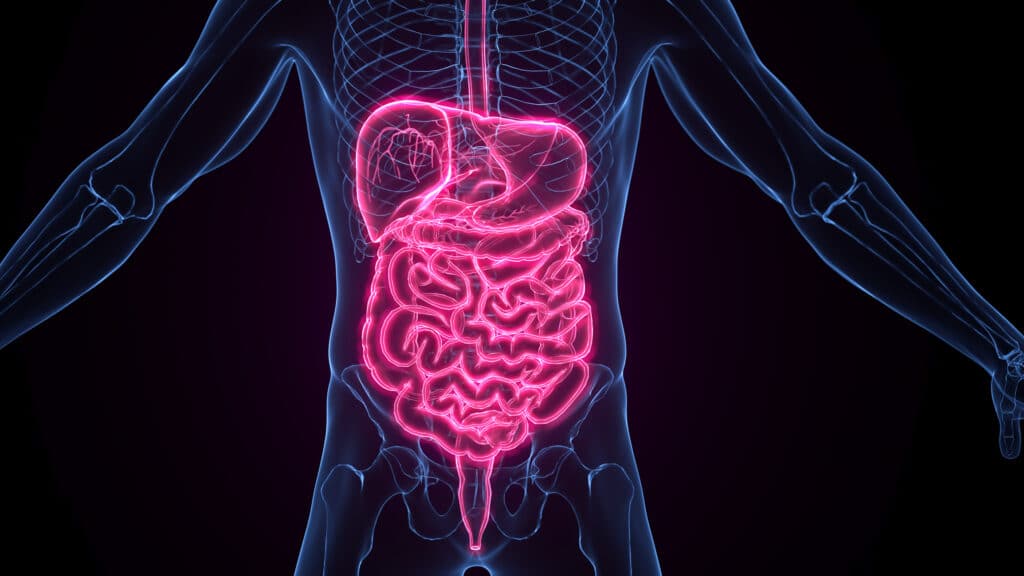
The human body is funny…one minute, you’re eating cookies all the time and thinking it’s great if you actually managed to get in four hours of sleep – and still can fit all your clothes. The next minute, umm…not so much. So, it probably makes you wonder how to speed up your metabolism, right?
The metabolism sounds like a mysterious and complicated thing, but it’s actually just the amount of energy (translation: calories) that your body needs on a daily basis.
“About 70 percent of those calories are used for basic functions, such as breathing and blood circulation,” says Rochelle Goldsmith, Ph.D., director of the Exercise Physiology Lab at Columbia University Medical Center. “Another 20 percent is fuel for physical activity, including working out, fidgeting, walking, and even holding our bodies upright while standing. The remaining 10 percent helps us digest what we eat.”
The trouble begins when you consume more calories than your body needs to do these things: this is when those extra pounds start showing up.
But what if I was tell you that you can speed up your metabolism so much that you actually burn fat and calories while you sleep? Well, there is a way. You just have to understand how it works first in order to know what triggers it.
RELATED: 4 Ways To Boost Your Metabolism & Prevent Weight Gain During The Holidays
You can partly thank your parents for the speed of your metabolism. Genes contribute to the levels of appetite-control hormones we have floating around in our bodies, Goldsmith explains.
“Some people are genetically programmed to be active; they’re naturally restless and use more energy,” she says. Those are the lucky high-metabolism types.
We know, we know, it’s not fair, but women and men tend to have different metabolism speeds.
“The average man’s metabolism is about 10 to 15 percent higher than a woman’s,” Goldsmith notes. That’s mainly because men have more muscle mass than women do, which means they burn more calories since muscle does the work to help you move, while fat just sits there.
Not only that but women’s bodies are designed to hold on to body fat in case of pregnancy.
Experts say that, yes, despite genetics and gender, there are a few things you need to do more in order to speed up your metabolism
Aerobic intervals will help you maximize your burn and double the calories you burn. Intervals also keep your metabolic rate higher than a steady-pace routine does for as long as an hour after you stop exercising, according to Michele Olson, Ph.D., a FITNESS advisory board member and professor of exercise science at Auburn University at Montgomery in Alabama. So start easy, go hard for a few minutes, then alternate between the two for your entire workout.
A head-to-toe strength routine will turbocharge your calorie-blasting quotient. Add five pounds of muscle to your body and you can zap as many as 600 calories an hour during your workout, Olson says. Be sure to choose a weight-lifting routine that targets your core, legs, arms, chest, and shoulders; challenging numerous muscles will help your body function like a calorie-burning machine, according to Goldsmith.

Yes, we said to stop dieting! We know you’re super busy, but make sure you grab lunch. “Simply chewing, digesting and absorbing food kicks your metabolism into gear,” says Jim White, RD, a national spokesperson for the American Dietetic Association.
“The more frequently you eat, the more often it revs up, while skipping meals slows down your metabolism, says White. “Your body switches into starvation mode and your system slows down to conserve energy, so have three healthy meals of 300 to 400 calories and two snacks of 200 to 300 calories every day.”
Certain foods slow down the digestive processes and increase free radical damage, which is the cause of aging. You can think of these as “metabolism death foods.” The body recognizes processed and inflammatory foods as toxins, and therefore eating these triggers your innate immune system’s fight-or-flight response, which increases stress hormone production and slows down metabolic functioning. Sadly, even some foods that seem “healthy” are the main culprits for unwanted weight gain, thyroid dysfunction, ongoing fatigue, hormone imbalance and digestive distress.
Here are some foods to avoid:
RELATED: Kick Your Metabolism into High Gear!
Deprive yourself of sleep and your body starts to respond as if it were under siege. “When you get two hours less shut-eye than you normally do, your system becomes stressed and produces about 50 percent more cortisol,” Talbott says. “That in turn triggers your appetite.”
At the same time, lack of zzzs throws the body’s hunger hormones leptin and ghrelin out of whack, making you more likely to overeat. Skimp on pillow time for too long and you could be facing a serious weight problem, says Michael Breus, Ph.D., author of Good Night: The Sleep Doctor’s 4-Week Program to Better Sleep and Better Health. In a 16-year study of sleep-deprived women published in the American Journal of Epidemiology, researchers found that those who slept seven to eight hours a night had the lowest risk for major weight gain, while women who got six hours a night were 12 percent more likely to pile on a significant number of pounds, and those who logged five hours or less were 32 percent more likely to gain weight.
RELATED: 9 Tips for a Good Night’s Sleep
Some of the most dramatic metabolic dips occur when women start taking birth control pills and widely prescribed antidepressants known as serotonin reuptake inhibitors, or SSRIs.
“These drugs commonly slow the metabolism because they affect the functioning of the thyroid gland, which regulates how our bodies use energy,” says Kent Holtorf, MD, a thyroidologist and the founder of the National Academy of Hypothyroidism.
If you’ve recently started taking any new medication and the scale is inching upward, ask your doc if there’s an alternative treatment that is less likely to cause weight gain.


By subscribing, you consent to receive emails from BlackDoctor.com. You may unsubscribe at any time. Privacy Policy & Terms of Service.