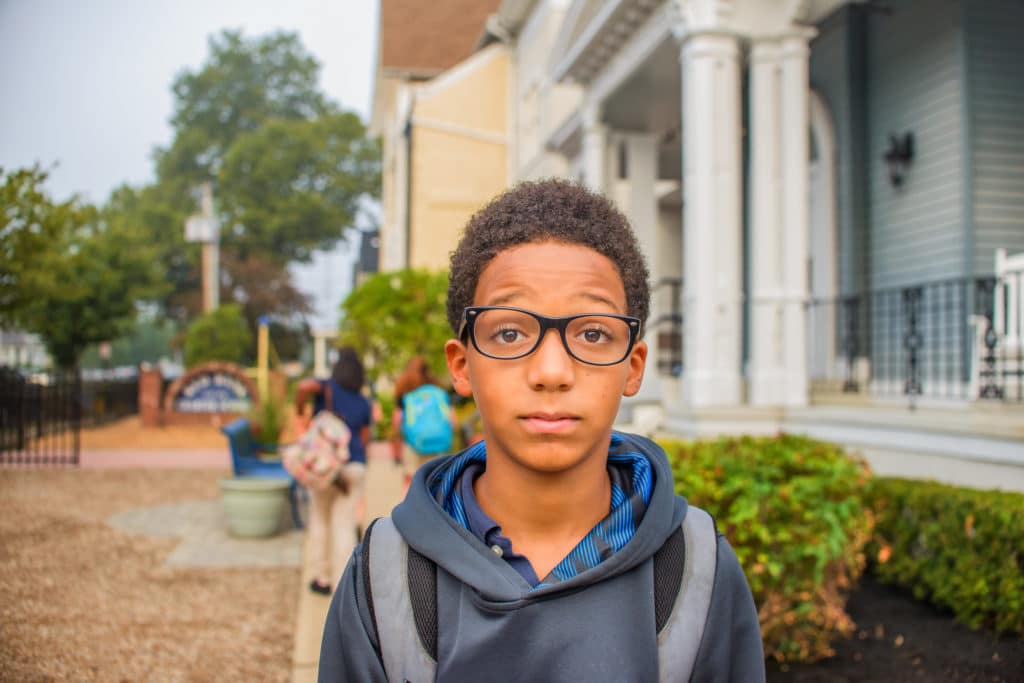
The rate of children killed by guns in the U.S. is several times higher than any other country. Researchers found that gun-related deaths, injuries, and homicides are higher among boys ages 13 to 17 than teen girls and younger boys.
In the wake of yet another deadly school shooting in the United States, the truth is, shootings happen like this in neighborhoods of predominately black communities almost every day. However, who is consoling the ones the bullet missed or the young witnesses?
One health specialist offers advice on how to ease youth’s fears about acts of terror and violence.
Consider the child’s age and emotional maturity when weighing the right time to discuss such tragedies, recommends Dr. Hannah Chow, a pediatrician at Loyola University Health System in Maywood, Ill.
“The older they are, the quicker you should tell them. You want to get in front of any misinformation, as they may have already heard the news from another source,” she said in a Loyola news release.
Younger children require special consideration.
“They may not be aware of what’s happening, but can pick up the emotions of those around them,” Chow said. “I’ve always advised parents to address these issues in a timely manner and give them a brief modified version of what happened. Most importantly, remember to be truthful.”
Before deciding whether to let a child watch news coverage of a tragedy, parents should watch the news first and use their best judgment. They also need to set a time limit for viewing.
“The news can be pretty intense for viewers under the age of 10. Don’t leave the TV on for hours,” Chow advised.
She said watching the news with your child can provide a teaching moment.
“Have a discussion while watching the news, and help them digest the information afterward. The older they are, the more they will be able to comprehend and process,” Chow said.
Many school-age children get information from friends and classmates, so parents also need to ask children what they have heard and correct any misinformation.
It’s important to reassure children that you will do all you can to protect them and to create an emergency plan for older children, such as finding safe places, locating the nearest exits, and how to reach you when there is trouble.
If a child is anxious or scared, emphasize that their risk is low and have them write down the good and happy things in their life and to review them often, Chow suggested.
However, if your child continues to have difficulties, get professional help.
Parents also need to assure children that not all people are bad and how to identify adults they can trust.
“Point out that the majority of people can be trusted – teachers, firefighters, police officers, medical professionals – they are there to help you in the event you need them,” Chow said.
“I would let them know that only a small number of people want to hurt people and that people are usually kind to one another,” she added.
The troubling facts are many teens possess a gun due to fear. They often take unhealthy preventive measures to assure their safety. If they see friends dying from gun violence, they often seek protection from the same source. An adolescent mindset is much different from that of a mature one. They may internalize things and mentally interpret situations with a confused and often skewed viewpoint. Sitting down and having a serious talk about the correct ways of dealing with a shooting is helpful and could very well lead your child in the right direction.
Learn more about mental health on our Health Conditions tab on BlackDoctor.org.
SOURCE: Loyola University Health System, news release, February 2018



By subscribing, you consent to receive emails from BlackDoctor.com. You may unsubscribe at any time. Privacy Policy & Terms of Service.