Menu

How to Use Tech to Monitor Your Symptoms

Table of Contents
health technology

In today’s digital age, technology offers powerful tools that help us track, understand, and manage our health symptoms effectively. With the right devices and methods, monitoring symptoms can enhance our treatment outcomes and foster more productive discussions with healthcare professionals. This guide covers key tools, tracking methods, data analysis, and communication features to make the most of technology in managing your health.

RELATED: Find The Right Fitness Tracker For Your Lifestyle

Device Selection Guide

Wearable Devices are advanced gadgets that provide real-time health data and insight. Some common options include:

Featured on BlackDoctor
  • Fitness Trackers: Monitor steps, calories, and physical activity levels.
  • Smartwatches: Track health metrics like heart rate, sleep, and stress levels.
  • Heart Rate Monitors: Measure heart rate continuously or during exercise.
  • Sleep Tracking Devices: Track sleep duration, quality, and disturbances.
  • Continuous Glucose Monitors (CGMs): Useful for tracking blood sugar levels throughout the day.
  • Blood Pressure Monitors: Record blood pressure for managing hypertension or cardiovascular conditions.

RELATED: Which Heart Failure Device Is Right For You?

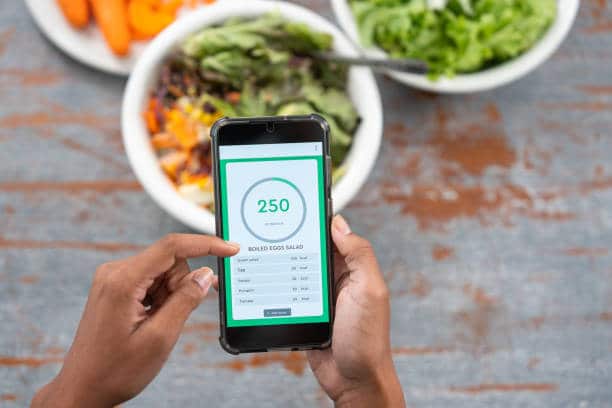
Mobile Apps offer a versatile way to log health data, track medication, and monitor symptoms:

  • Symptom Tracking Apps: Log specific symptoms over time.
  • Health Diary Apps: Maintain daily health records, including symptoms and medications.
  • Medication Reminders: Set alerts for timely medication intake.
  • Pain Tracking Tools: Document pain levels, types, and triggers.
  • Mood Monitoring Apps: Track emotional and psychological well-being.

RELATED: 5 Apps That Can Keep You Healthy as You Age

Device Selection Criteria considers:

  • The specific health condition(s) you’re managing.
  • User-friendliness and ease of integration with other devices or apps.
  • Data accuracy for reliable tracking.
  • Battery life for longer-lasting use.
  • Cost and any available insurance coverage.
  • Compatibility with other health tools or electronic health records.

Data Collection Methods

Daily Logging of frequent symptoms provides an in-depth view of your health over time. Track:

  • Symptom Check-ins: Document intensity, frequency, and impact of symptoms.
  • Pain Levels and Locations: Log pain to identify patterns or trigger points.
  • Medication Timing: Track dosage, time, and effects of medication.
  • Food and Drink Intake: Note meals, snacks, and hydration to spot dietary impacts.
  • Physical Activity: Record workouts, daily steps, and other activities.
  • Mood Changes: Note emotional shifts and potential triggers.

Automated Tracking data collection reduces manual input and can capture comprehensive data. Examples include:

  • Continuous Heart Rate Monitoring: Track resting and active heart rates.
  • Sleep Patterns: Measure sleep duration, depth, and quality.
  • Activity Levels: Automatically monitor steps and movement.
  • Location Data: Correlate symptoms with environmental or situational factors.
  • Environmental Metrics: Track local temperature, air quality, and humidity.
  • Biometric Measurements: Monitor ongoing metrics like blood pressure and glucose.

Manual Input Options for more personalized tracking of detailed health information, such as:

  • Custom Symptom Notes: Describe symptoms in more detail.
  • Trigger Identification: Record potential symptom triggers, like allergens or activities.
  • Treatment Responses: Track the effects of different treatments or therapies.
  • Side Effect Documentation: Note any side effects from medications.
  • Lifestyle Factors: Include sleep patterns, stress levels, and dietary choices.
health technology

Pattern Recognition

Identifying Trends of tracked data reveals insights into health patterns, helping to:

  • Monitor Symptom Frequency: Determine how often symptoms occur.
  • Spot Time-Based Patterns: Find if symptoms change with the time of day.
  • Identify Environmental Correlations: See how symptoms react to surroundings.
  • Observe Seasonal Variations: Track fluctuations across seasons.
  • Understand Trigger Relationships: Spot connections between specific triggers and symptoms.

Analysis Tools process and interpret data:

  • Data Visualization: Graphs and charts provide an overview of trends.
  • Trend Reports: Summary reports show recurring symptoms or issues.
  • Statistical Analysis: Look for correlations in different data points.
  • Predictive Patterns: Some apps suggest future symptom likelihood.
  • Historical Comparisons: Compare data from different periods for progress tracking.

Doctor Communication Tools

Data Sharing Options share your health data directly with providers, helping them make informed decisions:

  • Export Options: Export data to easily share with doctors.
  • Direct Access: Allow providers direct access to app or device data.
  • Emergency Information: Share critical information for immediate care.
  • Treatment History: Review medication, therapy, and treatment progress.
  • Test Results: Document results of lab tests or diagnostic assessments.

Report Generation Tools consolidate and present your data, providing a snapshot of your health:

  • Customized Summaries: Provide essential information for consultations.
  • Visual Representations: Graphs and charts clarify complex data.
  • Timeline Creation: Map out symptoms, treatments, and other events chronologically.
  • Medication Logs: Show adherence to prescribed treatments.
  • Symptom Calendars: Display daily or weekly symptom changes.

Communication Features use built-in communication tools for easier coordination with healthcare professionals:

  • Secure Messaging: Communicate privately with providers.
  • Virtual Consultations: Schedule online appointments for remote care.
  • Emergency Alerts: Send notifications in urgent situations.
  • Appointment Scheduling: Simplify follow-up care planning.
  • Prescription Refill Requests: Manage medications easily.
health technology

Additional Areas of Symptom Impact to Track

Physical Activity Correlation log daily activities to see how they influence your symptoms:

  • Exercise Intensity: Track how intense workouts affect health.
  • Movement Patterns: Record day-to-day physical activity.
  • Recovery Periods: Note rest days and any related symptom changes.
  • Energy Levels and Symptom Response: Correlate energy with symptom fluctuations.

Sleep Impact Analysis assesses how sleep affects your symptoms:

  • Sleep Duration and Quality: Track length and quality of sleep.
  • Interruptions and Breathing Patterns: Record disturbances and any breathing issues.
  • Sleep Environment: Measure factors like room temperature and air quality.
  • Symptom Correlations: Analyze how pre-sleep symptoms or sleep quality impact next-day health.

Treatment Response Tracking monitors how well treatments are working, including:

  • Medication Effectiveness: Note symptom improvement or side effects.
  • Dose and Timing Adherence: Ensure treatments are followed as prescribed.
  • Progress Metrics: Track quality-of-life improvements and setbacks.

By incorporating technology into your health management, you can better understand your condition, identify trends, communicate more effectively with healthcare providers, and make informed decisions about treatment and lifestyle. Regularly reviewing and updating your tracking methods will ensure you gather relevant, useful data tailored to your unique health needs.

SHARE
Related Stories
Answer the question below

Gout Survey

People with gout often have sudden, painful flares of joint swelling and redness. How many gout flares have you experienced in the last 12 months?
Have you ever received intravenous medicine for your gout?

Get our Weekly Newsletter

Stay informed on the latest breakthroughs in family health and wellness. Sign up today!

By subscribing, you consent to receive emails from BlackDoctor.com. You may unsubscribe at any time. Privacy Policy & Terms of Service.

More from BlackDoctor

Where Culture Meets Care

BlackDoctor is the world’s largest and most comprehensive online health resource specifically for the Black community. BlackDoctor understands that the uniqueness of Black culture - our heritage and our traditions - plays a role in our health. BlackDoctor gives you access to innovative new approaches to the health information you need in everyday language so you can break through the disparities, gain control and live your life to its fullest.
✦ AI Search Disclaimer
This AI-powered search tool helps you find relevant health articles from the BlackDoctor.org archive. Please keep the following in mind:
✦ For Informational Purposes Only
The information provided through this AI search is for general educational and informational purposes only. It is not intended as a substitute for professional medical advice, diagnosis, or treatment.
✦ Always Consult a Healthcare Provider
Never disregard professional medical advice or delay seeking it because of something you have read through this search tool. If you have a medical emergency, call your doctor or 911 immediately.
✦ AI Limitations
This search tool uses artificial intelligence to help match your queries with articles in our archive. While we strive for accuracy, AI-generated results may occasionally be incomplete, outdated, or not fully relevant to your specific situation.
✦ No Doctor-Patient Relationship
Using this search tool does not create a doctor-patient relationship between you and BlackDoctor.org or any healthcare provider.
Explore over 35,000 articles and videos across black health, wellness, lifestyle and culture

Full AI Search Experience >
×

Download PDF

Enter your name and email to receive the download link.

BlackDoctor AI Search