 Photo courtesy of Gwen Brewer
Managing Type 2 diabetes is a vital step in maintaining overall health, as the condition can lead to serious complications affecting various organs and systems in the body. One such complication is diabetic macular edema (DME), a vision-threatening condition caused by high blood sugar levels damaging the blood vessels in the retina. An estimated 750,000 people in the United States are affected by DME, with Black Americans facing a two-fold higher risk compared to their white counterparts.
For Gwen Brewer, her journey began with an overwhelming craving for sugar—a dangerous yet common habit.
“To put it simply, I couldn’t help myself. If I saw a candy bar, I’d grab it. That was my lifestyle,” Brewer tells BlackDoctor.org.
This lifestyle ultimately led to her Type 2 diabetes diagnosis six years ago. Her unmanaged diabetes progressed, culminating in a diagnosis of DME.
 Photo courtesy of Gwen Brewer
For Brewer, the symptoms of DME were subtle but profoundly life-altering.
“I first noticed it when I could only see two light bulbs in the background where there were three. I also noticed the curtains and blinds were waving oddly. My doctor told me these were symptoms of diabetes. I was referred to an ophthalmologist, who confirmed these were signs of macular edema. That led me to a retinal specialist, and eventually, I began treatment,” Brewer recalls.
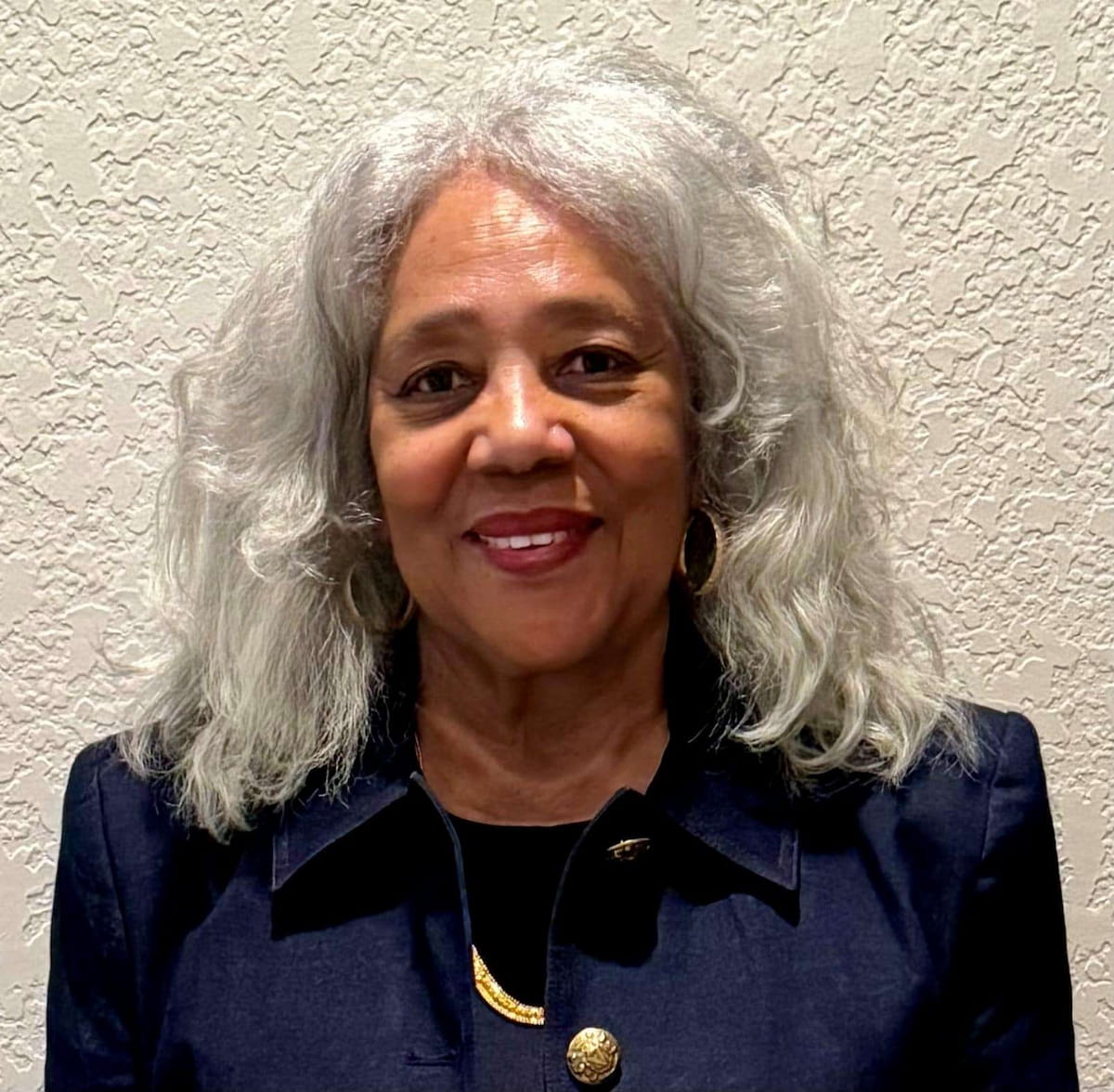 Photo courtesy of Gwen Brewer
Brewer’s treatment involved participation in the ELEVATUM study, a groundbreaking clinical trial by Genentech designed specifically for African American, Black, Latino, and Hispanic DME patients. The study became a turning point in Brewer’s journey.
Initially, the idea of eye injections—a common treatment for DME—was intimidating, especially since Brewer, like many, had a fear of needles. However, her desire to preserve her vision and improve her quality of life helped her overcome this fear.
“When I was a child, I had relatives who wore dark glasses indoors because of blindness. I was terrified that I would end up like them. I was eager to get help, and I’m so grateful for the opportunity to participate in the ELEVATUM study. I wasn’t very familiar with clinical studies before, but I felt supported throughout the process and appreciated the care I received,” Brewer shares.
 Photo courtesy of Gwen Brewer
Brewer’s initial concerns about the safety and efficacy of clinical trials were eased by the support of the study team.
“I was also concerned about the dye injection used for imaging because I’m allergic to shellfish, but they gave me medication to prevent a reaction. The team’s care and support made me feel safe and confident throughout the process,” Brewer says.
Beyond medical treatment, the study team provided additional assistance, such as transportation for Brewer when she felt unsteady after injections.
“They even provided me with counseling, which allowed me to manage my stress and stay on track,” she notes.
 Photo courtesy of Gwen Brewer
Inspired by her experience, Brewer is now committed to breaking down barriers and reducing the stigma surrounding clinical trials and medical treatments, particularly in the Black community.
“The improvements have been incredible. I can see vivid colors and fine details now. I’ve gained a sense of artistic confidence—matching patterns and designs in my jewelry-making, for example. I’ve also been able to help others by sharing my story and encouraging them to seek care,” she shares.
She stresses the importance of early intervention, regular eye exams, and a balanced diet in managing diabetes and preventing complications like DME.
 Photo courtesy of Gwen Brewer
Thanks to her participation in the study and dedication to managing her health, Brewer has achieved a remarkable milestone: reversing her Type 2 diabetes to prediabetic status.
Whether she’s designing jewelry, dining out, or simply reading a menu with ease, Brewer cherishes the independence she has regained.
“I’m so grateful to have participated because now I can see clearly. I can make jewelry, polish pieces, and match designs accurately—things I couldn’t have done before. It’s brought so much joy to my life,” she says. “I also feel empowered because I can now go out to restaurants and enjoy life without needing extra assistance. The study gave me not just my vision, but also my confidence and independence.”
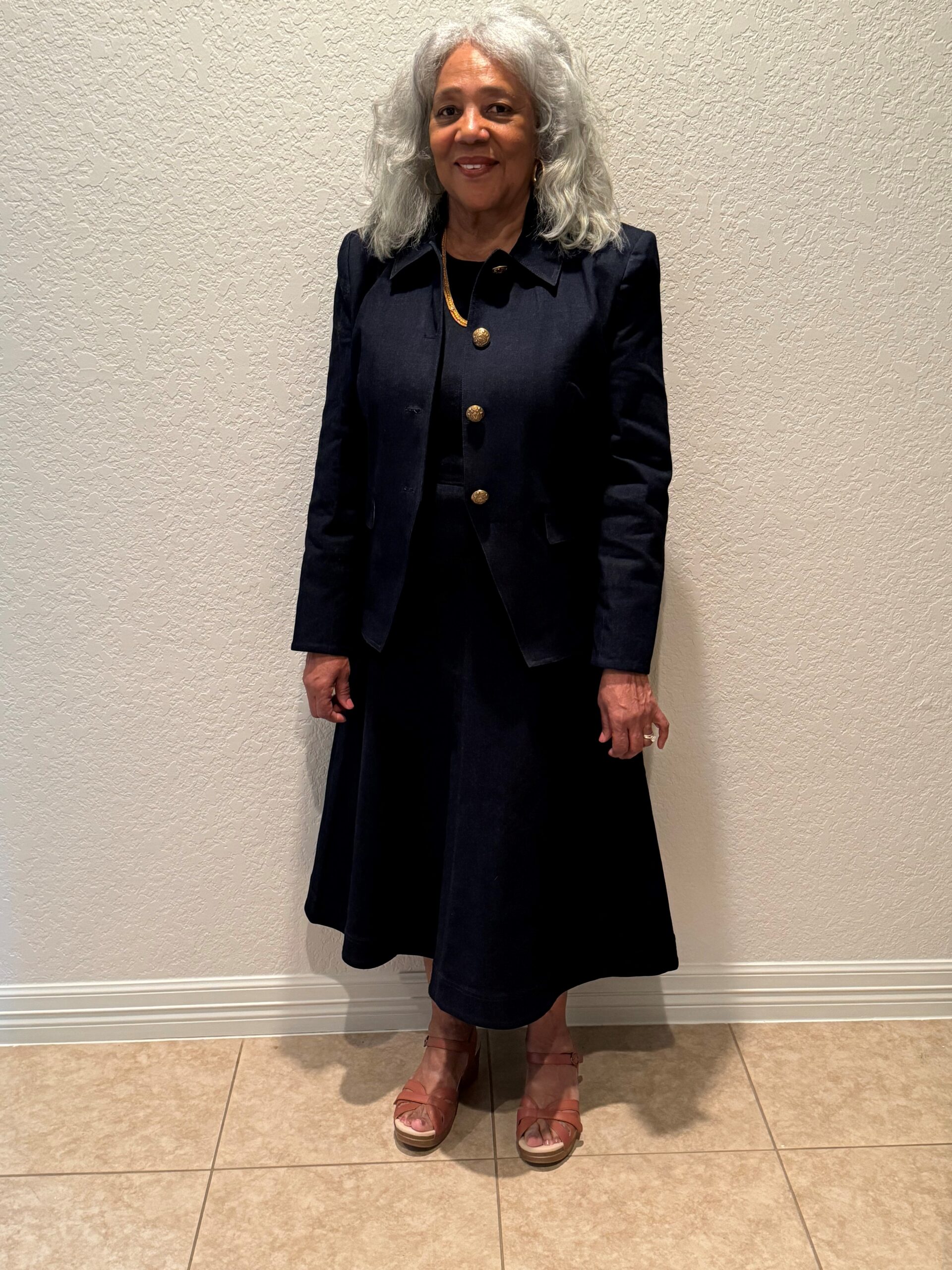 Photo courtesy of Gwen Brewer
For Brewer, the keys to her success include:


By subscribing, you consent to receive emails from BlackDoctor.com. You may unsubscribe at any time. Privacy Policy & Terms of Service.