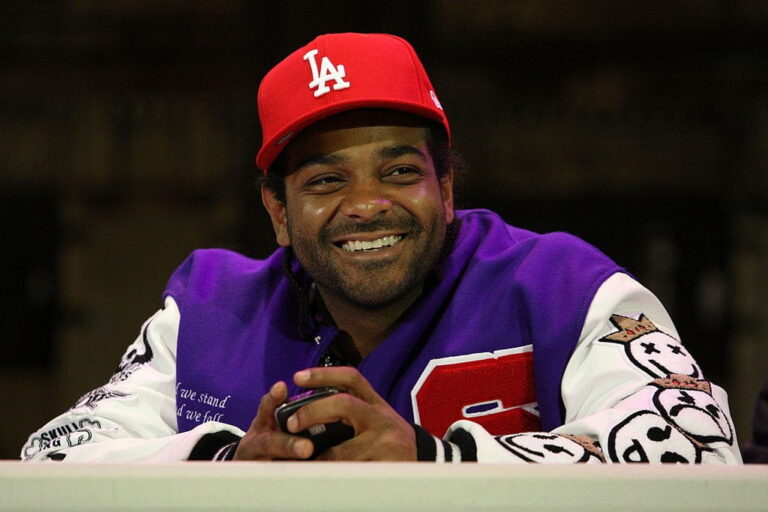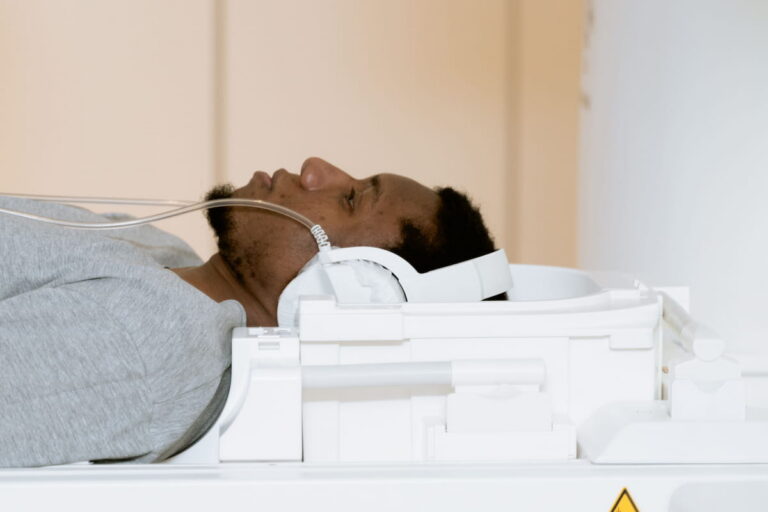
Alex Simmons was the picture of health. As a personal trainer and fitness instructor, he didn’t just look the part; he lived it. So, when he walked into the hospital thinking he was dealing with the temporary discomfort of kidney stones, he expected to bounce back pretty quickly.
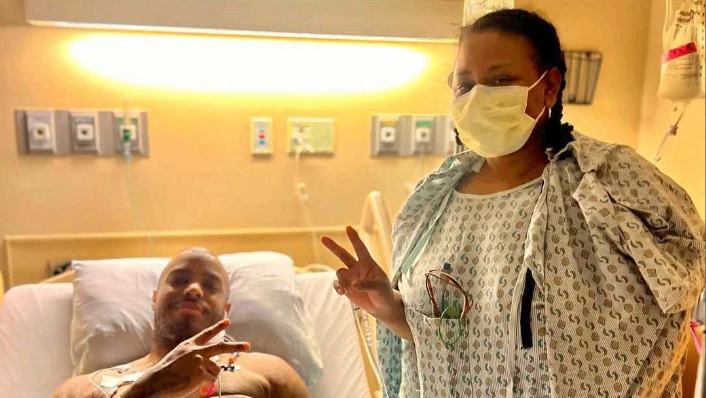
Instead, he stayed for ten days.
Alex left the hospital with a port in his chest for dialysis and a diagnosis that changed everything: stage 4 kidney failure.
For many in the Black community, kidney disease is a “silent” threat—one that often hides behind a healthy physique or a lack of obvious symptoms until it has reached a critical stage. According to the American Kidney Fund (AKF), one in seven U.S. adults has kidney disease, and most don’t know it. Furthermore, Black Americans are four times more likely to develop kidney failure.
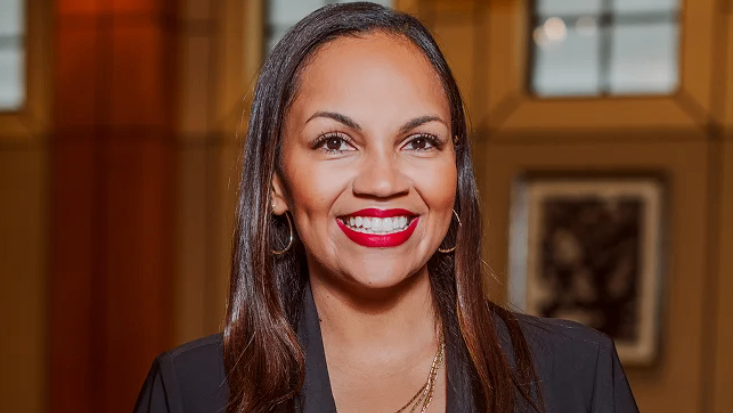
“African Americans are…13 percent of the population, but 30 percent of the kidney failure population, and there are a number of different reasons for that,” says LaVarne Burton, President and CEO of AKF.
Burton points to systemic barriers and the critical window for intervention as major factors in these statistics. “A lot of it goes back to our healthcare system, and the fact that healthcare and health insurance are not always as accessible… And this is especially important in kidney disease, because if you can diagnose it early and get into treatment, in many cases, you can slow it down and prevent kidney failure.”
She also highlights chronic diseases like diabetes and high blood pressure, which are highly prevalent in the Black community and can lead to kidney disease. Although Alex had been experiencing debilitating migraines—a possible symptom of high blood pressure—he didn’t initially realize his kidneys were under strain.
“…Looking back, all of the warning signs to me that something was wrong did not equate to anything kidney-wise. So that was a shock to me,” he tells BlackDoctor.
Today, Alex is an advocate sharing his story as @AverageBlackMan (with 90k+ followers on Instagram and 69k+ on TikTok). By partnering with the American Kidney Fund, he hopes his journey will inspire others—especially Black men—to be proactive about their kidney health, get screened, and get tested.
“There was a lot of questions that I was being asked, and I didn’t know the answer to, so I had to do research on my own. And I came across the American Kidney Fund… I actually got a lot of information, a lot of useful tools, so I can just try to better share the message and advocate for people to get tested. If you think something is wrong at all, it doesn’t hurt—go get it checked out,” he shares.
RELATED: Nearly 35% of People with Kidney Failure are Black – Why?
The AKF encourages people to ask their doctor for two simple kidney tests: eGFR (a blood test), which can determine how well your body is filtering out toxins and waste, and uACR (a urine test). These can detect kidney disease long before physical symptoms appear.
“When you go to see your doctor, I think there are a couple of things that need to happen,” Burton notes. “We want to make sure you ask your doctor or healthcare provider if these tests are being ordered; it’s simply a matter of checking a box. But it is also a matter of asking for your lab results, reading over them, and talking with your provider if you don’t understand them. This is critical for the early identification of issues that can, in many instances, be addressed and slowed down.”
Alex echoes this sentiment, noting that these life-saving screenings are rarely a standard part of a routine checkup unless requested. “A lot of people don’t even know about these tests, and doctors aren’t offering them. It’s not something like a general checkup or a physical sort of test. So for me, waking up one day, feeling sick and finding out I’m stage 4… that doesn’t happen overnight. If I had been aware of options…to get tested, [we could have managed] it a little better.”
This experience has also reshaped the conversations Alex has with his 13-year-old daughter.
“At the time, she was, I believe, 10 when I got diagnosed. Although it was so new, she just saw dad sick and some days I couldn’t really run around and play with her,” he adds. “But now that she’s older, she understands, and I have also gotten her tested and ordered these tests… because like I said, it could be genetic.”
In fact, many people in the Black community have the APOL1 gene variants that put them at higher risk for APOL1-mediated kidney disease (AMKD). This makes family conversations like the ones Alex is having essential.
“Because it is a genetic condition, you may also have it,” Burton explains. “It’s so important, therefore, that you really push your provider—working carefully with them—to make sure that you’re getting the testing and paying attention to the results. If it turns out that you’re positive for the condition, you can get into treatment earlier on and do everything that you can to try to slow it down. We need to talk with our family members about our health status.”

RELATED: 10 Things Black People Need to Know About AMKD
In December 2023, Alex’s journey took a life-changing turn when he underwent a kidney transplant. He was fortunate to find a match in his adopted sister—a rare gift, considering that of the 105,000+ people on the transplant waitlist, nearly 90 percent are waiting for a kidney.
“African Americans are on that list—[and] they [stay on that] list generally longer than others because it is not always easy to get a match, and that’s where living organ donation comes into play,” Burton says. “Because if you can find a match, then you know, it means immediately that organ comes to you.”
Alex reflects on the profound nature of his sister’s gift, acknowledging the emotional weight of being the one in need. “[We are] from separate families, but we are not blood brother and sister. The fact that she was a match… is just truly amazing. And God just placed us together for that reason. At first, I was mad that she was donating because I’m her big brother, so I’m supposed to take care of her,” he shares.
Nearly three years later, the journey continues. Alex remains proactive about his health, navigating the complexities of post-transplant life.
“I’m still watching what I put into my body. One of the biggest things many people don’t know is you’re on a lot of medications [after] the transplant. So, that mixture of pills in your system is always different—I would say every day is different,” he adds.
He is no longer on dialysis. The battle is now mental and emotional. “You never know tomorrow how you’re going to feel. But as a whole, after going through a transplant and going through dialysis, I would say I feel about 80 percent up to normal for me,” he notes.
Alex credits his successful navigation of stage 4 kidney failure to a combination of self-advocacy and reliable information. To support your health journey, Burton and the AKF recommend these specific tools:
1. The American Kidney Fund (AKF)
Alex highlights this as his most “trustworthy” source for evidence-based information.
“I know where that information is coming from… It’s just a trustworthy place to go. Today there’s too much information online, so you want to make sure that you’re going to reputable sources,” he says.
Alex’s story is a powerful reminder that “looking healthy” isn’t a substitute for medical data. By sharing his reality, Alex is ensuring that for the next person, the “silent disease” is met with a loud, proactive defense.
You can follow Alex Simmons’ journey and advocacy work on his social media (Instagram and TikTok), where he actively shares his life as a transplant recipient and personal trainer.


By subscribing, you consent to receive emails from BlackDoctor.com. You may unsubscribe at any time. Privacy Policy & Terms of Service.