CHICAGO, May 14, 2026 /PRNewswire/ — Every year, countless women are told their breathlessness is stress, their fatigue is menopause, and their heart symptoms are “something else.” For women with ATTR-Cardiac Amyloidosis (ATTR-CM), a serious heart disease that worsens over time, that delay in recognition can mean the difference between early treatment and a life-altering outcome.
This Women’s Health Month, BlackDoctor, in collaboration with HealthyWomen and BridgeBio Pharma, Inc., is spotlighting an overlooked issue in women’s health: ATTR-CM is not just underdiagnosed — it’s systematically missed in women. New survey findings of more than 1,000 respondents reveal that despite high interest in understanding their heart health risk, most Black women have never heard of ATTR-CM, and almost none have ever been screened for it.
ATTR-CARDIAC AMYLOIDOSIS (ATTR-CM) AND WOMEN: A CRITICAL KNOWLEDGE GAP
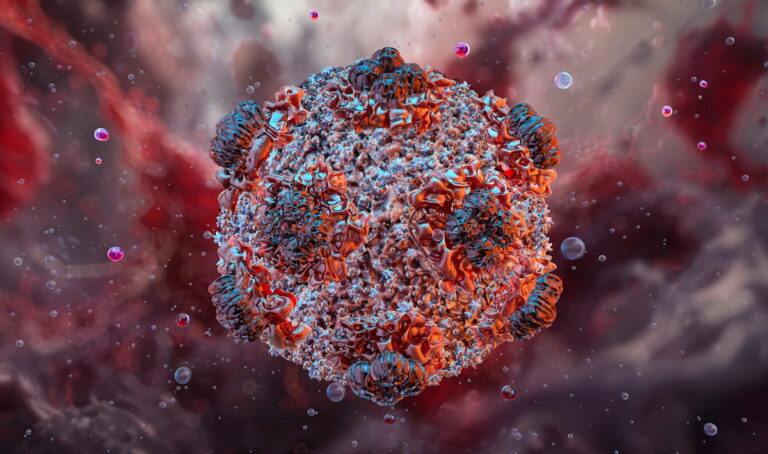
ATTR-CM is a disease of the heart muscle that ultimately leads to heart failure if untreated. ATTR-CM occurs when TTR, an important protein that plays a key role in the transport of thyroxine and vitamin A, becomes unstable, breaks apart, and accumulates in the heart muscle. It exists in two forms: hereditary, caused by a genetic variant passed through families, and wild-type, which can develop with aging. Notably, 1 in 25 Black Americans carries a genetic variant associated with hereditary ATTR-CM, specifically the V122I variant. Both the hereditary and wild-type forms of ATTR-CM can affect women, and both are dramatically underrecognized in women.
While ATTR-CM has historically been seen as a condition affecting older men, emerging science tells a different story. Data from the SCAN-MP study, published in The American Journal of Cardiology (Chan et al., 2025) found that when active screening was applied to Black and Caribbean Hispanic patients, women represented 31% of those diagnosed with ATTR-CM. Real-world data presented at the American Heart Association 2025 found that 30% of patients with ATTR-CM were Black, while women were less likely to initiate treatment, and Black women experienced the poorest clinical outcomes, including a higher risk of cardiovascular-related hospitalization or death.
Making recognition harder: ATTR-CM symptoms, including fatigue, shortness of breath, and swelling in the legs, can mirror or be mistaken for menopause or aging. Women are more likely to present with atypical symptoms and may go years without a correct diagnosis.
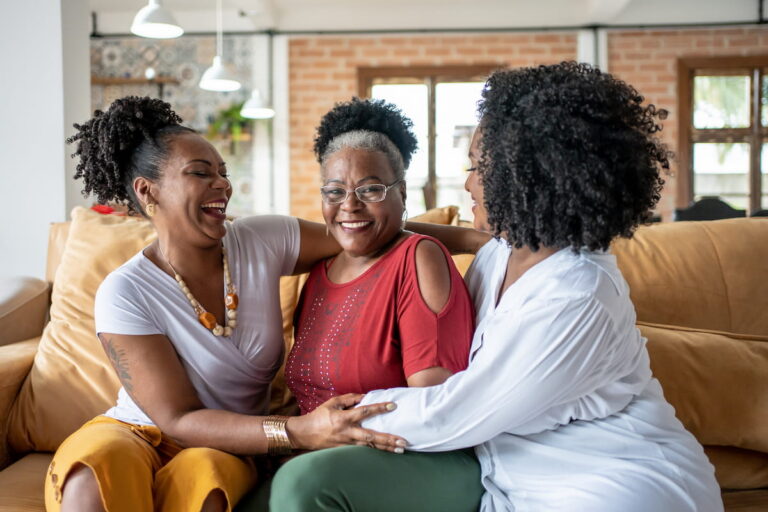
Beyond their own risk, women also play a critical role as care partners. According to the U.S. Department of Labor, confirmed by the American Heart Association in 2024, women make approximately 80% of healthcare decisions for their families. When women understand ATTR-CM, they are better equipped to speak up for themselves, their parents, partners and families.
NEW SURVEY HIGHLIGHTS NEED FOR EARLIER ATTR-CM DIAGNOSIS AND BETTER EDUCATION
A new survey of more than 1,000 Black and women respondents reveals a community hungry for health information but largely unaware of a condition that disproportionately affects them.
AWARENESS GAP:
DESIRE FOR INFORMATION IS HIGH:
The data makes it clear: Black women are highly engaged and actively seeking information, tools, and support to better understand and advocate. The healthcare system must meet them where they are.
VOICES FROM OUR PARTNERS
“This Women’s Health Month, we reaffirm our commitment to closing the health literacy gap that continues to delay diagnosis and care for serious conditions like ATTR-CM,” said Kristin Vaughan, Chief Content Officer, BlackDoctor. “By delivering trusted, culturally-relevant information directly to the people in our audience who need to hear it most, we aim to empower more Black women to understand their risk, ask better questions, and ultimately be diagnosed earlier, when intervention can make the greatest difference.”
“When women understand their symptoms, family history, and potential genetic risk for conditions like ATTR-CM, even when those symptoms look like aging or menopause, they are empowered to change not only their own health outcomes, but the trajectory of their families’ health,” said Beth Battaglino, RN, CEO, HealthyWomen.
“ATTR-CM has long been viewed through the lens of men’s health, but women are not exempt from this disease. They are living with it, often without knowing it, and they are suffering the consequences of delayed diagnosis and undertreated disease. This Women’s Health Month, we are committed to changing that. By partnering with BlackDoctor and HealthyWomen, we are working to ensure that women have the information, tools, and access to care they deserve. Early recognition is critical, and we cannot leave women behind in this fight,” said Uma Sinha, Ph.D., Chief Scientific Officer, BridgeBio Cardiovascular.
A CALL TO ACTION: KNOW YOUR RISK. DEMAND EARLY ANSWERS.
If you have a family history of heart disease or are experiencing unexplained fatigue, shortness of breath, or swelling, talk to your healthcare provider today. Ask: “Could this be ATTR cardiac amyloidosis, or ATTR-CM?” Also ask your healthcare provider about your genetic risk for ATTR-CM. ATTR-CM cannot be cured, but it can be treated, and early diagnosis is the key to better outcomes.
For healthcare systems, advocates, and community organizations, the data points to a clear roadmap:
References
About BlackDoctor, Inc.
BlackDoctor, Inc. is the world’s largest and most comprehensive digital health platform built to address how care is experienced in Black communities. The company provides culturally grounded guidance, expert-backed content, and AI-powered tools designed to help individuals and families make informed health decisions and to support healthcare professionals in delivering more effective care. BlackDoctor focuses on underreported health trends, patient education, and practical tools that reflect how care actually works — where culture meets care.
About HealthyWomen
HealthyWomen is the nation’s leading independent, nonprofit health information source for women. Our mission is to educate women to make informed health choices for themselves and for their families. For 30 years, millions of women have turned to HealthyWomen for answers to their most personal healthcare questions. HealthyWomen provides objective, research-based health information reviewed by medical experts to ensure its accuracy. Consumers, healthcare providers, nonprofit and corporate partners, and the media trust HealthyWomen as a valued and reliable health information source.
About BridgeBio Pharma, Inc.
BridgeBio exists to develop transformative medicines for genetic conditions. Millions of people worldwide living with genetic conditions lack treatment options, often because drug development for small patient populations can be commercially challenging. We aim to bridge the gap between advancements in genetic science and meaningful medicines for underserved patient populations. Our decentralized, hub-and-spoke model is designed for speed, precision, and scalability. Autonomous and empowered teams focus on individual conditions, while a central hub provides the clinical, regulatory, and commercial capabilities needed to bring innovation to market. For more information, visit bridgebio.com and follow us on LinkedIn, X, Facebook, Instagram, YouTube, and TikTok.
SOURCE: BlackDoctor



By subscribing, you consent to receive emails from BlackDoctor.com. You may unsubscribe at any time. Privacy Policy & Terms of Service.