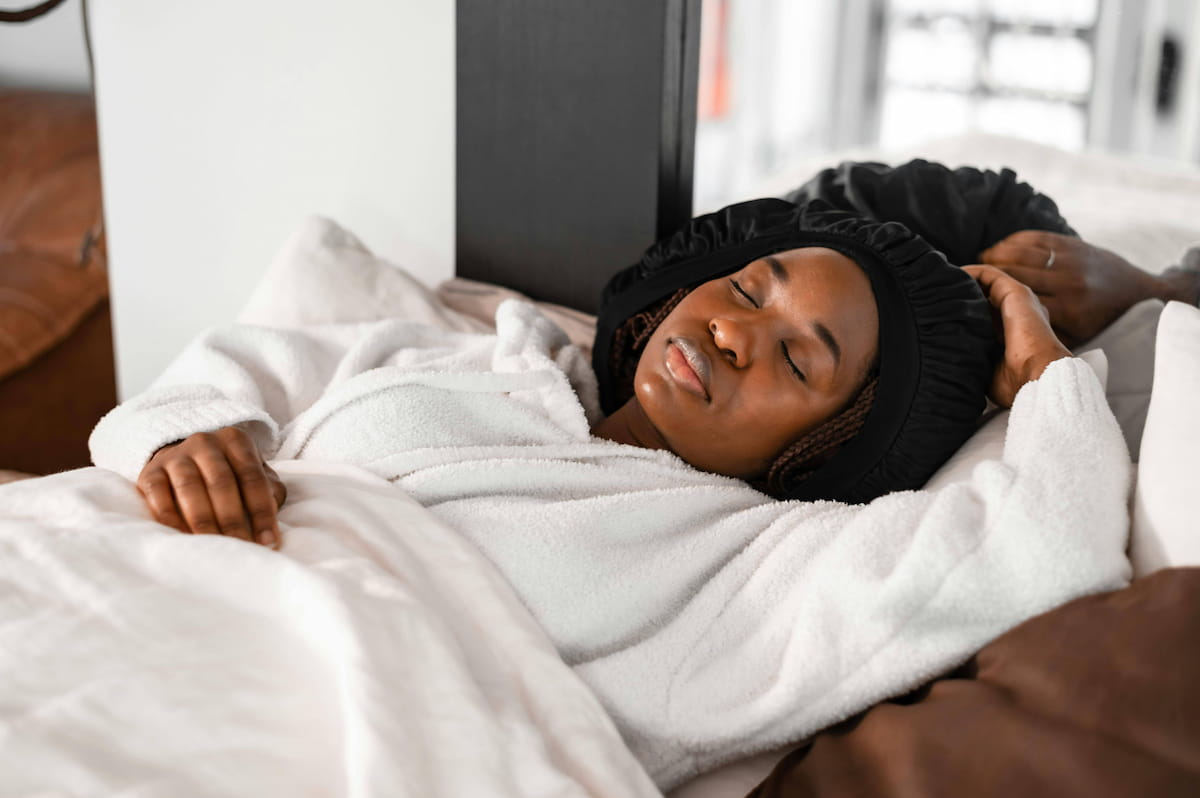
Statistics show that about 67 million Americans take melatonin in the hopes of sleeping better. That’s a large percentage of the almost 90 million who admitted in a recent survey that they don’t get the recommended eight or nine hours of sleep every night. According to new research, though, reaching for this popular sleep aid may have detrimental effects on your health over time.
What the Study Had to Say
To conduct this study, researchers chose 130,000 adults who had insomnia. This group was divided into those who had been taking melatonin for over a year and those who never took the sleep aid. When researchers reviewed five years of medical data on the participants, they discovered a startling difference in their cardiovascular health.
Those who took melatonin for over a year were more likely to develop heart failure, twice as likely to be hospitalized from complications related to heart failure, and 3.5 times more likely to die from the illness when compared to those who never took melatonin.
Of course, the study has its limitations. While the data is compelling, it only establishes a possible association. It doesn’t mean that melatonin is the definitive cause of the increased risk of heart failure. However, it’s important to note that there’s no research that equivocally proves the effectiveness of melatonin in treating insomnia either. Some studies have only suggested that it may be useful. In fact, some doctors express concern at how readily Americans take the sleep aid, given that it’s not approved by the Food and Drug Administration (FDA) and, as such, isn’t regulated.
As a result, persons who take melatonin aren’t guaranteed a consistent level of purity or dosage. With this in mind, the researchers still acknowledge that more work needs to be done regarding the effect prolonged melatonin use can have on heart health and overall well-being.
RELATED: Does Melatonin Really Help Or Is It Making Things Worse?
What’s Melatonin?
Melatonin is a hormone that your body naturally produces about one to three hours before bedtime. The pineal gland that produces it is generally guided by your body’s circadian rhythm, which is dictated by exposure to natural light. Under normal circumstances, the melatonin in your body rises when light wanes, so you’ll go to sleep. During daylight, the gland releases less melatonin, and you stay awake.
When your body releases melatonin, the brain sends signals throughout the body that it’s time to rest. In response, your hypothalamus changes your temperature, mood, and blood pressure in preparation for sleep. Your retinas also become less responsive to light, and you’ll be less alert. These and other changes take place every night, so you can be rested enough for your body to recover from its daily activities.
While the melatonin that is available over the counter is synthetic, it’s meant to replicate the same effects as what your body produces naturally.
RELATED: 5 Natural Remedies That Can Help You Sleep… Finally!

Potential Side Effects of Melatonin
As mentioned previously, melatonin doesn’t require a prescription and, as such, it’s not regulated by the FDA. This fact may affect the varying levels of effectiveness that some Americans note when taking the sleep aid. Additionally, there are several side effects that you may experience when taking melatonin–especially if you do so for more than a year.
Some typical side effects of melatonin include feeling drowsy during the day, headaches, nausea, dizziness, irritability, and vivid dreams or nightmares. Some people also experience less common effects such as constipation, loose stools, loss of appetite, bedwetting, stomach cramps, confusion, mood swings, and reduced alertness. Additionally, you may develop an increased risk of falling and having seizures.
The potential issues with melatonin don’t stop with its side effects. There is also evidence that it can negatively interact with certain medications. You should avoid taking melatonin if you also take birth control, immunosuppressants, medicine that controls blood pressure, medicine for managing diabetes, medicine that slows blood clotting, anti-seizure medication, or any drugs that are usually broken down by your liver.
The good news is that melatonin isn’t your only option for sleeping well at night. Studies show that having a bedtime routine should help with a good night’s sleep. However, you’ll likely need more aid than setting a bedtime, making sure your room is cool, and staying away from bright lights.
If you exercise regularly, eat balanced meals, and stay hydrated, you’re more likely to sleep well. There are also some other things you can try while getting ready for bed. Mindful meditation is one way to control your racing thoughts and help your body relax. The slow, controlled movements of certain yoga poses can also make a difference in your sleep and can be especially helpful for those who have trouble with meditation.
Getting a massage before bed can help you to sleep better, as you may be more relaxed after one. While you shouldn’t drink liquids too close to your bedtime, drinking certain teas, such as chamomile, may help you sleep. Warm milk and tart cherry juice may have similar effects. The aroma of lavender oil may help you to relax, but research suggests that taking a lavender supplement may be even more effective.
Finally, taking a magnesium supplement occasionally may help, as the mineral has been known to relieve stress and encourage muscle relaxation. You shouldn’t depend too much on this supplement, though, as it can cause abdominal issues.
RELATED: Could the ‘Sleepy Girl’ Mocktail Be Your Answer to Better Sleep?
When to See a Doctor
It’s best to talk to your doctor if you’re having trouble sleeping. Although it’s normal to have a bad night’s sleep occasionally, persistent sleeplessness is a sign that something may be wrong. That’s why you should let your doctor know about your symptoms so they can investigate the cause of your sleep trouble.
Even if you’ve been having some success with taking melatonin, this new research strongly suggests that long-term use may be risky for your health. If you’re not sleeping better after adopting an effective bedtime routine, then it’s likely that you need medical intervention.
Millions of Americans take melatonin to help them sleep, but it may not be as safe as you think. It’s best to try natural alternatives to getting a good night’s sleep, and don’t shy away from talking to your doctor if nothing works.


By subscribing, you consent to receive emails from BlackDoctor.com. You may unsubscribe at any time. Privacy Policy & Terms of Service.