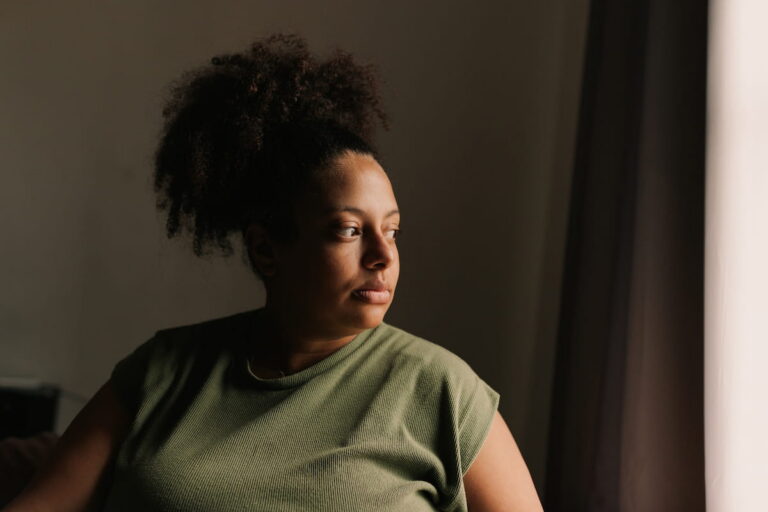
The National Association for Gifted Children says gifted children can think and learn well. They score in the top 10 percent in math, music, language, art, dance, or athletics.
There’s no general description of giftedness, but gifted youngsters tend to have the following features.
These features are common in gifted children:
Intellectual
Creative
Behavioral
Social and emotional
RELATED: To Be Young Gifted And Black: How To Advocate For Your Child
Average intellect is 85–115, while brilliant kids have IQs of 130. IQs above 150 are gifted. An IQ of 120 may qualify a youngster for a school district’s gifted program, although even basic standards differ by state.
IQ and achievement tests are used to identify brilliant children, but other techniques exist. Other objective and subjective measures identify talented children.
Experts disagree on when and whether preschoolers should be gifted-tested. Experts believe that IQ testing in children under 6 is challenging. IQ is simply one of several factors assessed before a kid is gifted.
If your kid attends preschool, ask the school for a child development expert or instructor who examines gifted children. Teachers and parents may write their opinions. Feedback, test results, kid interviews and observations are generally examined together.
Your child’s pediatrician may recommend a giftedness expert. Health insurance may fund private testing, which is costly.
Yes. Gifted children might have autism spectrum disorder, ADHD, or learning disabilities. A “twice-exceptional” talented youngster has one or more of these conditions. Dyslexic children have higher IQs than the general population, according to studies.
Disabilities are often discovered before giftedness. Child development specialists may assess you. If you think your kid may be twice-exceptional and high-achieving, talk to your physician about ways to meet their educational demands.
Children from historically underrepresented groups, economically underprivileged households, and English-language learners are typically disregarded for giftedness.
Find a sensitive child development expert to examine your kid if any of them apply. Ask your child’s instructor to spot hidden skills.
Most talented toddlers don’t require a particular program immediately, but numerous ways exist to push them at home. Examples:
Giftedness offers opportunity but also emotional and social obstacles. Parents and other people must assist talented children because they see the world differently.
Imagine being five years old, reading at a third-grade level, with the physical abilities of a younger kid and comparable social skills to other five-year-olds. Most talented children exhibit asynchronous development, meaning they’re ahead in some areas, on par in others, and behind in others. This gap makes you vulnerable.
Gifted kids recognize they’re “different.” They may feel lonely or bullied. They may conceal their talents to blend in with other children.
Because they think faster than they can speak or worry about matching expectations, gifted adolescents may get very irritated. Consult a mental health specialist if your kid is abnormally angry or irritated.


By subscribing, you consent to receive emails from BlackDoctor.com. You may unsubscribe at any time. Privacy Policy & Terms of Service.