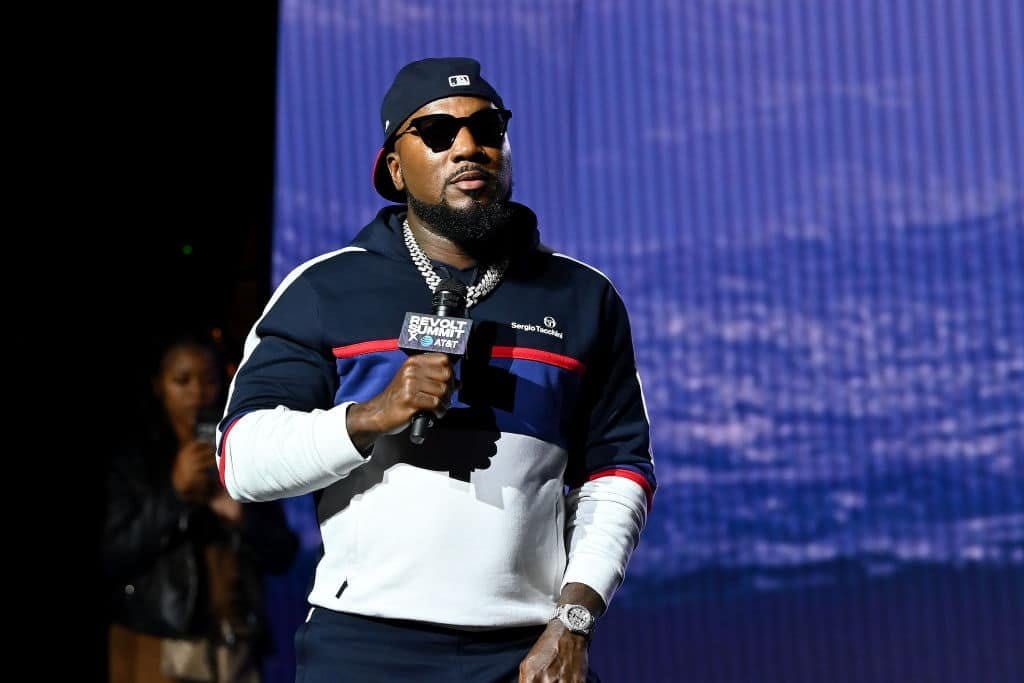
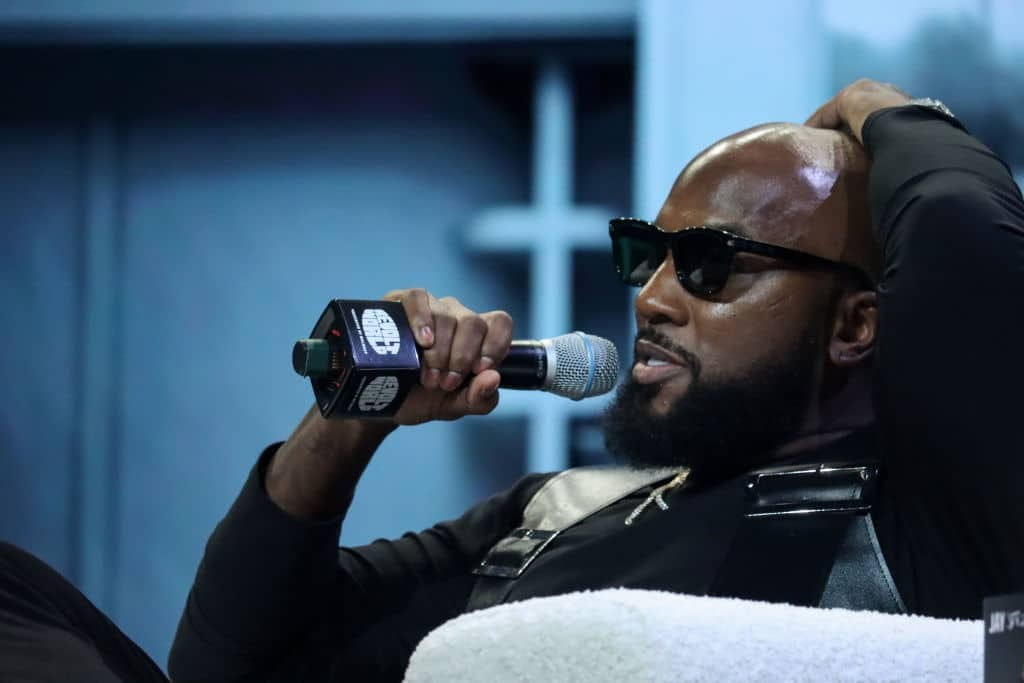
Jeezy recently talked about his mental health and said that he had suffered from depression for years without knowing what to call it.
On the “Tamron Hall Show”, the 46-year-old rapper discussed how his past trauma affected his mental health and led him to discover he has suffered from depression.
During the interview, he talked about seeing his friends die and coping with substance abuse that caused him to hold on to trauma, despite rising to fame. “When you lose 200, 300, 400 people like gone forever, you just, you get numb. And I wasn’t able to get in touch with my emotions and I was wondering why,”
He explained that he had difficulty identifying what he was experiencing. His trauma-related issues were common where he was raised, so he had no desire to seek treatment or speak with a professional. Jeezy explained that some days he just found himself wanting to ‘go back to sleep forever.”
“
I learned that vulnerability is power — I thought something was wrong with me, ‘cause you’re thinking, ‘I come from poverty, this is how it is,’” the “Put On” rapper told Hall. “I didn’t understand trauma and all these different things so when I started to get words for it, I started to understand and grab tools, I started to become better,” he continued.
The rapper has been open about his mental health struggles before. The rapper talked about dealing with suicidal thoughts during his teenage years in 1994 in his memoir, which he released in August. He was caught with drugs after attending the National Guard’s Youth Challenge program. Later, he believed suicide was the only answer.
“So it was all this stuff in my head. I just remember standing there and it was for a brief moment, I would say at least about 10 minutes, I actually contemplated jumping in the water,” the “Soul Survivor” rapper told
People Magazine. “I had never had suicidal thoughts, but I [thought], well if I just jump in the water, I ain’t gotta deal with this. I ain’t gotta go back home. I gotta do none of these things,” he continued.
He ultimately decided not to go through with the suicide attempt and returned home. Even though he returned to the environment that also triggered other traumas, he was glad to be back.
“I remember standing there and saying to myself, ‘Man, if you go back home and you don’t figure this out… because I don’t want to end up like my friends.’ My friends became junkies and they were getting killed and all these things,” he said.
(Photo by Nykieria Chaney/Getty Images)
Many Black celebrities have been talking about mental health struggles recently, including several rappers who recently discussed their struggles with anxiety and depression with Men’s Health. As anxiety and depression rates among Black men continue to rise, this conversation must continue.
2021 JAMA study, Black men had a higher rate of suicide attempts than any other group. There can be a significant benefit to having more discussions around this subject, as they will help people understand that some of their shared experiences and traumas can have a direct impact on depression.
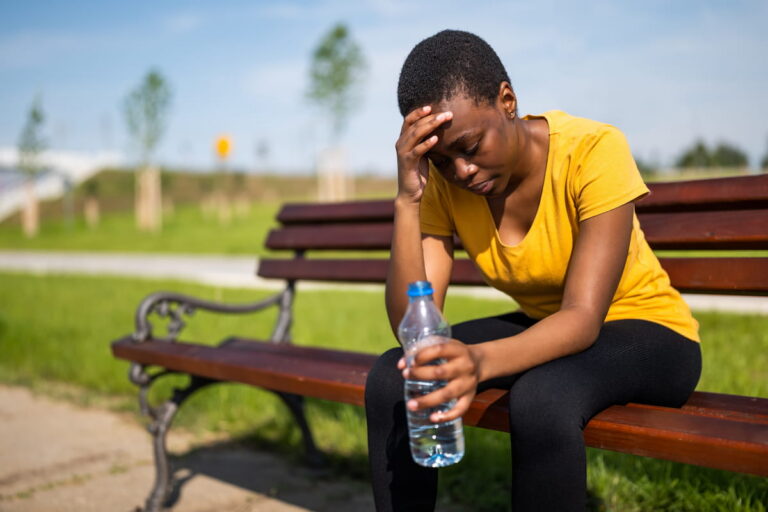
While it is sometimes difficult to put a name to depression, it is crucial to be aware of some often
missed warning signs like physical pain, constant fatigue, and avoidance that can be signs of depression. In the event that you ever find yourself struggling with these issues, it is important to reach out and talk with someone who can help you.
Jeezy recently talked about his mental health and said that he had suffered from depression for years without knowing what to call it.
On the “Tamron Hall Show”, the 46-year-old rapper discussed how his past trauma affected his mental health and led him to discover he has suffered from depression.
During the interview, he talked about seeing his friends die and coping with substance abuse that caused him to hold on to trauma, despite rising to fame. “When you lose 200, 300, 400 people like gone forever, you just, you get numb. And I wasn’t able to get in touch with my emotions and I was wondering why,”
He explained that he had difficulty identifying what he was experiencing. His trauma-related issues were common where he was raised, so he had no desire to seek treatment or speak with a professional. Jeezy explained that some days he just found himself wanting to ‘go back to sleep forever.”
“
I learned that vulnerability is power — I thought something was wrong with me, ‘cause you’re thinking, ‘I come from poverty, this is how it is,’” the “Put On” rapper told Hall. “I didn’t understand trauma and all these different things so when I started to get words for it, I started to understand and grab tools, I started to become better,” he continued.
The rapper has been open about his mental health struggles before. The rapper talked about dealing with suicidal thoughts during his teenage years in 1994 in his memoir, which he released in August. He was caught with drugs after attending the National Guard’s Youth Challenge program. Later, he believed suicide was the only answer.
“So it was all this stuff in my head. I just remember standing there and it was for a brief moment, I would say at least about 10 minutes, I actually contemplated jumping in the water,” the “Soul Survivor” rapper told
People Magazine. “I had never had suicidal thoughts, but I [thought], well if I just jump in the water, I ain’t gotta deal with this. I ain’t gotta go back home. I gotta do none of these things,” he continued.
He ultimately decided not to go through with the suicide attempt and returned home. Even though he returned to the environment that also triggered other traumas, he was glad to be back.
“I remember standing there and saying to myself, ‘Man, if you go back home and you don’t figure this out… because I don’t want to end up like my friends.’ My friends became junkies and they were getting killed and all these things,” he said.
(Photo by Nykieria Chaney/Getty Images)
Many Black celebrities have been talking about mental health struggles recently, including several rappers who recently discussed their struggles with anxiety and depression with Men’s Health. As anxiety and depression rates among Black men continue to rise, this conversation must continue.
2021 JAMA study, Black men had a higher rate of suicide attempts than any other group. There can be a significant benefit to having more discussions around this subject, as they will help people understand that some of their shared experiences and traumas can have a direct impact on depression.
While it is sometimes difficult to put a name to depression, it is crucial to be aware of some often
missed warning signs like physical pain, constant fatigue, and avoidance that can be signs of depression. In the event that you ever find yourself struggling with these issues, it is important to reach out and talk with someone who can help you.
“
I learned that vulnerability is power — I thought something was wrong with me, ‘cause you’re thinking, ‘I come from poverty, this is how it is,’” the “Put On” rapper told Hall. “I didn’t understand trauma and all these different things so when I started to get words for it, I started to understand and grab tools, I started to become better,” he continued.
The rapper has been open about his mental health struggles before. The rapper talked about dealing with suicidal thoughts during his teenage years in 1994 in his memoir, which he released in August. He was caught with drugs after attending the National Guard’s Youth Challenge program. Later, he believed suicide was the only answer.
“So it was all this stuff in my head. I just remember standing there and it was for a brief moment, I would say at least about 10 minutes, I actually contemplated jumping in the water,” the “Soul Survivor” rapper told
People Magazine. “I had never had suicidal thoughts, but I [thought], well if I just jump in the water, I ain’t gotta deal with this. I ain’t gotta go back home. I gotta do none of these things,” he continued.
During the interview, he talked about seeing his friends die and coping with substance abuse that caused him to hold on to trauma, despite rising to fame. “When you lose 200, 300, 400 people like gone forever, you just, you get numb. And I wasn’t able to get in touch with my emotions and I was wondering why,”
He explained that he had difficulty identifying what he was experiencing. His trauma-related issues were common where he was raised, so he had no desire to seek treatment or speak with a professional. Jeezy explained that some days he just found himself wanting to ‘go back to sleep forever.”
“
I learned that vulnerability is power — I thought something was wrong with me, ‘cause you’re thinking, ‘I come from poverty, this is how it is,’” the “Put On” rapper told Hall. “I didn’t understand trauma and all these different things so when I started to get words for it, I started to understand and grab tools, I started to become better,” he continued.
The rapper has been open about his mental health struggles before. The rapper talked about dealing with suicidal thoughts during his teenage years in 1994 in his memoir, which he released in August. He was caught with drugs after attending the National Guard’s Youth Challenge program. Later, he believed suicide was the only answer.
“So it was all this stuff in my head. I just remember standing there and it was for a brief moment, I would say at least about 10 minutes, I actually contemplated jumping in the water,” the “Soul Survivor” rapper told
People Magazine. “I had never had suicidal thoughts, but I [thought], well if I just jump in the water, I ain’t gotta deal with this. I ain’t gotta go back home. I gotta do none of these things,” he continued.
He ultimately decided not to go through with the suicide attempt and returned home. Even though he returned to the environment that also triggered other traumas, he was glad to be back.
“I remember standing there and saying to myself, ‘Man, if you go back home and you don’t figure this out… because I don’t want to end up like my friends.’ My friends became junkies and they were getting killed and all these things,” he said.
(Photo by Nykieria Chaney/Getty Images)
Many Black celebrities have been talking about mental health struggles recently, including several rappers who recently discussed their struggles with anxiety and depression with Men’s Health. As anxiety and depression rates among Black men continue to rise, this conversation must continue.
2021 JAMA study, Black men had a higher rate of suicide attempts than any other group. There can be a significant benefit to having more discussions around this subject, as they will help people understand that some of their shared experiences and traumas can have a direct impact on depression.
While it is sometimes difficult to put a name to depression, it is crucial to be aware of some often
missed warning signs like physical pain, constant fatigue, and avoidance that can be signs of depression. In the event that you ever find yourself struggling with these issues, it is important to reach out and talk with someone who can help you.
(Photo by Derek White/Getty Images for REVOLT )
Jeezy recently talked about his mental health and said that he had suffered from depression for years without knowing what to call it.
On the “Tamron Hall Show”, the 46-year-old rapper discussed how his past trauma affected his mental health and led him to discover he has suffered from depression.
During the interview, he talked about seeing his friends die and coping with substance abuse that caused him to hold on to trauma, despite rising to fame. “When you lose 200, 300, 400 people like gone forever, you just, you get numb. And I wasn’t able to get in touch with my emotions and I was wondering why,”
He explained that he had difficulty identifying what he was experiencing. His trauma-related issues were common where he was raised, so he had no desire to seek treatment or speak with a professional. Jeezy explained that some days he just found himself wanting to ‘go back to sleep forever.”
“
I learned that vulnerability is power — I thought something was wrong with me, ‘cause you’re thinking, ‘I come from poverty, this is how it is,’” the “Put On” rapper told Hall. “I didn’t understand trauma and all these different things so when I started to get words for it, I started to understand and grab tools, I started to become better,” he continued.
The rapper has been open about his mental health struggles before. The rapper talked about dealing with suicidal thoughts during his teenage years in 1994 in his memoir, which he released in August. He was caught with drugs after attending the National Guard’s Youth Challenge program. Later, he believed suicide was the only answer.
“So it was all this stuff in my head. I just remember standing there and it was for a brief moment, I would say at least about 10 minutes, I actually contemplated jumping in the water,” the “Soul Survivor” rapper told
People Magazine. “I had never had suicidal thoughts, but I [thought], well if I just jump in the water, I ain’t gotta deal with this. I ain’t gotta go back home. I gotta do none of these things,” he continued.
He ultimately decided not to go through with the suicide attempt and returned home. Even though he returned to the environment that also triggered other traumas, he was glad to be back.
“I remember standing there and saying to myself, ‘Man, if you go back home and you don’t figure this out… because I don’t want to end up like my friends.’ My friends became junkies and they were getting killed and all these things,” he said.
(Photo by Nykieria Chaney/Getty Images)
Many Black celebrities have been talking about mental health struggles recently, including several rappers who recently discussed their struggles with anxiety and depression with Men’s Health. As anxiety and depression rates among Black men continue to rise, this conversation must continue.
2021 JAMA study, Black men had a higher rate of suicide attempts than any other group. There can be a significant benefit to having more discussions around this subject, as they will help people understand that some of their shared experiences and traumas can have a direct impact on depression.
While it is sometimes difficult to put a name to depression, it is crucial to be aware of some often
missed warning signs like physical pain, constant fatigue, and avoidance that can be signs of depression. In the event that you ever find yourself struggling with these issues, it is important to reach out and talk with someone who can help you.
Jeezy recently talked about his mental health and said that he had suffered from depression for years without knowing what to call it.
On the “Tamron Hall Show”, the 46-year-old rapper discussed how his past trauma affected his mental health and led him to discover he has suffered from depression.
During the interview, he talked about seeing his friends die and coping with substance abuse that caused him to hold on to trauma, despite rising to fame. “When you lose 200, 300, 400 people like gone forever, you just, you get numb. And I wasn’t able to get in touch with my emotions and I was wondering why,”
He explained that he had difficulty identifying what he was experiencing. His trauma-related issues were common where he was raised, so he had no desire to seek treatment or speak with a professional. Jeezy explained that some days he just found himself wanting to ‘go back to sleep forever.”
“
I learned that vulnerability is power — I thought something was wrong with me, ‘cause you’re thinking, ‘I come from poverty, this is how it is,’” the “Put On” rapper told Hall. “I didn’t understand trauma and all these different things so when I started to get words for it, I started to understand and grab tools, I started to become better,” he continued.
The rapper has been open about his mental health struggles before. The rapper talked about dealing with suicidal thoughts during his teenage years in 1994 in his memoir, which he released in August. He was caught with drugs after attending the National Guard’s Youth Challenge program. Later, he believed suicide was the only answer.
“So it was all this stuff in my head. I just remember standing there and it was for a brief moment, I would say at least about 10 minutes, I actually contemplated jumping in the water,” the “Soul Survivor” rapper told
People Magazine. “I had never had suicidal thoughts, but I [thought], well if I just jump in the water, I ain’t gotta deal with this. I ain’t gotta go back home. I gotta do none of these things,” he continued.
He ultimately decided not to go through with the suicide attempt and returned home. Even though he returned to the environment that also triggered other traumas, he was glad to be back.
“I remember standing there and saying to myself, ‘Man, if you go back home and you don’t figure this out… because I don’t want to end up like my friends.’ My friends became junkies and they were getting killed and all these things,” he said.
(Photo by Nykieria Chaney/Getty Images)
Many Black celebrities have been talking about mental health struggles recently, including several rappers who recently discussed their struggles with anxiety and depression with Men’s Health. As anxiety and depression rates among Black men continue to rise, this conversation must continue.
2021 JAMA study, Black men had a higher rate of suicide attempts than any other group. There can be a significant benefit to having more discussions around this subject, as they will help people understand that some of their shared experiences and traumas can have a direct impact on depression.
While it is sometimes difficult to put a name to depression, it is crucial to be aware of some often
missed warning signs like physical pain, constant fatigue, and avoidance that can be signs of depression. In the event that you ever find yourself struggling with these issues, it is important to reach out and talk with someone who can help you.
Jeezy recently talked about his mental health and said that he had suffered from depression for years without knowing what to call it.
On the “Tamron Hall Show”, the 46-year-old rapper discussed how his past trauma affected his mental health and led him to discover he has suffered from depression.
During the interview, he talked about seeing his friends die and coping with substance abuse that caused him to hold on to trauma, despite rising to fame. “When you lose 200, 300, 400 people like gone forever, you just, you get numb. And I wasn’t able to get in touch with my emotions and I was wondering why,”
He explained that he had difficulty identifying what he was experiencing. His trauma-related issues were common where he was raised, so he had no desire to seek treatment or speak with a professional. Jeezy explained that some days he just found himself wanting to ‘go back to sleep forever.”
“
I learned that vulnerability is power — I thought something was wrong with me, ‘cause you’re thinking, ‘I come from poverty, this is how it is,’” the “Put On” rapper told Hall. “I didn’t understand trauma and all these different things so when I started to get words for it, I started to understand and grab tools, I started to become better,” he continued.
The rapper has been open about his mental health struggles before. The rapper talked about dealing with suicidal thoughts during his teenage years in 1994 in his memoir, which he released in August. He was caught with drugs after attending the National Guard’s Youth Challenge program. Later, he believed suicide was the only answer.
“So it was all this stuff in my head. I just remember standing there and it was for a brief moment, I would say at least about 10 minutes, I actually contemplated jumping in the water,” the “Soul Survivor” rapper told
People Magazine. “I had never had suicidal thoughts, but I [thought], well if I just jump in the water, I ain’t gotta deal with this. I ain’t gotta go back home. I gotta do none of these things,” he continued.
He ultimately decided not to go through with the suicide attempt and returned home. Even though he returned to the environment that also triggered other traumas, he was glad to be back.
“I remember standing there and saying to myself, ‘Man, if you go back home and you don’t figure this out… because I don’t want to end up like my friends.’ My friends became junkies and they were getting killed and all these things,” he said.
(Photo by Nykieria Chaney/Getty Images)
Many Black celebrities have been talking about mental health struggles recently, including several rappers who recently discussed their struggles with anxiety and depression with Men’s Health. As anxiety and depression rates among Black men continue to rise, this conversation must continue.
2021 JAMA study, Black men had a higher rate of suicide attempts than any other group. There can be a significant benefit to having more discussions around this subject, as they will help people understand that some of their shared experiences and traumas can have a direct impact on depression.
While it is sometimes difficult to put a name to depression, it is crucial to be aware of some often
missed warning signs like physical pain, constant fatigue, and avoidance that can be signs of depression. In the event that you ever find yourself struggling with these issues, it is important to reach out and talk with someone who can help you.
Jeezy recently talked about his mental health and said that he had suffered from depression for years without knowing what to call it.
On the “Tamron Hall Show”, the 46-year-old rapper discussed how his past trauma affected his mental health and led him to discover he has suffered from depression.
During the interview, he talked about seeing his friends die and coping with substance abuse that caused him to hold on to trauma, despite rising to fame. “When you lose 200, 300, 400 people like gone forever, you just, you get numb. And I wasn’t able to get in touch with my emotions and I was wondering why,”
He explained that he had difficulty identifying what he was experiencing. His trauma-related issues were common where he was raised, so he had no desire to seek treatment or speak with a professional. Jeezy explained that some days he just found himself wanting to ‘go back to sleep forever.”
“
I learned that vulnerability is power — I thought something was wrong with me, ‘cause you’re thinking, ‘I come from poverty, this is how it is,’” the “Put On” rapper told Hall. “I didn’t understand trauma and all these different things so when I started to get words for it, I started to understand and grab tools, I started to become better,” he continued.
The rapper has been open about his mental health struggles before. The rapper talked about dealing with suicidal thoughts during his teenage years in 1994 in his memoir, which he released in August. He was caught with drugs after attending the National Guard’s Youth Challenge program. Later, he believed suicide was the only answer.
“So it was all this stuff in my head. I just remember standing there and it was for a brief moment, I would say at least about 10 minutes, I actually contemplated jumping in the water,” the “Soul Survivor” rapper told
People Magazine. “I had never had suicidal thoughts, but I [thought], well if I just jump in the water, I ain’t gotta deal with this. I ain’t gotta go back home. I gotta do none of these things,” he continued.
He ultimately decided not to go through with the suicide attempt and returned home. Even though he returned to the environment that also triggered other traumas, he was glad to be back.
“I remember standing there and saying to myself, ‘Man, if you go back home and you don’t figure this out… because I don’t want to end up like my friends.’ My friends became junkies and they were getting killed and all these things,” he said.
(Photo by Nykieria Chaney/Getty Images)
Many Black celebrities have been talking about mental health struggles recently, including several rappers who recently discussed their struggles with anxiety and depression with Men’s Health. As anxiety and depression rates among Black men continue to rise, this conversation must continue.
2021 JAMA study, Black men had a higher rate of suicide attempts than any other group. There can be a significant benefit to having more discussions around this subject, as they will help people understand that some of their shared experiences and traumas can have a direct impact on depression.
While it is sometimes difficult to put a name to depression, it is crucial to be aware of some often
missed warning signs like physical pain, constant fatigue, and avoidance that can be signs of depression. In the event that you ever find yourself struggling with these issues, it is important to reach out and talk with someone who can help you.
“
I learned that vulnerability is power — I thought something was wrong with me, ‘cause you’re thinking, ‘I come from poverty, this is how it is,’” the “Put On” rapper told Hall. “I didn’t understand trauma and all these different things so when I started to get words for it, I started to understand and grab tools, I started to become better,” he continued.
The rapper has been open about his mental health struggles before. The rapper talked about dealing with suicidal thoughts during his teenage years in 1994 in his memoir, which he released in August. He was caught with drugs after attending the National Guard’s Youth Challenge program. Later, he believed suicide was the only answer.
“So it was all this stuff in my head. I just remember standing there and it was for a brief moment, I would say at least about 10 minutes, I actually contemplated jumping in the water,” the “Soul Survivor” rapper told
People Magazine. “I had never had suicidal thoughts, but I [thought], well if I just jump in the water, I ain’t gotta deal with this. I ain’t gotta go back home. I gotta do none of these things,” he continued.
During the interview, he talked about seeing his friends die and coping with substance abuse that caused him to hold on to trauma, despite rising to fame. “When you lose 200, 300, 400 people like gone forever, you just, you get numb. And I wasn’t able to get in touch with my emotions and I was wondering why,”
He explained that he had difficulty identifying what he was experiencing. His trauma-related issues were common where he was raised, so he had no desire to seek treatment or speak with a professional. Jeezy explained that some days he just found himself wanting to ‘go back to sleep forever.”
“
I learned that vulnerability is power — I thought something was wrong with me, ‘cause you’re thinking, ‘I come from poverty, this is how it is,’” the “Put On” rapper told Hall. “I didn’t understand trauma and all these different things so when I started to get words for it, I started to understand and grab tools, I started to become better,” he continued.
The rapper has been open about his mental health struggles before. The rapper talked about dealing with suicidal thoughts during his teenage years in 1994 in his memoir, which he released in August. He was caught with drugs after attending the National Guard’s Youth Challenge program. Later, he believed suicide was the only answer.
“So it was all this stuff in my head. I just remember standing there and it was for a brief moment, I would say at least about 10 minutes, I actually contemplated jumping in the water,” the “Soul Survivor” rapper told
People Magazine. “I had never had suicidal thoughts, but I [thought], well if I just jump in the water, I ain’t gotta deal with this. I ain’t gotta go back home. I gotta do none of these things,” he continued.
He ultimately decided not to go through with the suicide attempt and returned home. Even though he returned to the environment that also triggered other traumas, he was glad to be back.
“I remember standing there and saying to myself, ‘Man, if you go back home and you don’t figure this out… because I don’t want to end up like my friends.’ My friends became junkies and they were getting killed and all these things,” he said.
(Photo by Nykieria Chaney/Getty Images)
Many Black celebrities have been talking about mental health struggles recently, including several rappers who recently discussed their struggles with anxiety and depression with Men’s Health. As anxiety and depression rates among Black men continue to rise, this conversation must continue.
2021 JAMA study, Black men had a higher rate of suicide attempts than any other group. There can be a significant benefit to having more discussions around this subject, as they will help people understand that some of their shared experiences and traumas can have a direct impact on depression.
While it is sometimes difficult to put a name to depression, it is crucial to be aware of some often
missed warning signs like physical pain, constant fatigue, and avoidance that can be signs of depression. In the event that you ever find yourself struggling with these issues, it is important to reach out and talk with someone who can help you.
(Photo by Derek White/Getty Images for REVOLT )
Jeezy recently talked about his mental health and said that he had suffered from depression for years without knowing what to call it.
On the “Tamron Hall Show”, the 46-year-old rapper discussed how his past trauma affected his mental health and led him to discover he has suffered from depression.
During the interview, he talked about seeing his friends die and coping with substance abuse that caused him to hold on to trauma, despite rising to fame. “When you lose 200, 300, 400 people like gone forever, you just, you get numb. And I wasn’t able to get in touch with my emotions and I was wondering why,”
He explained that he had difficulty identifying what he was experiencing. His trauma-related issues were common where he was raised, so he had no desire to seek treatment or speak with a professional. Jeezy explained that some days he just found himself wanting to ‘go back to sleep forever.”
“
I learned that vulnerability is power — I thought something was wrong with me, ‘cause you’re thinking, ‘I come from poverty, this is how it is,’” the “Put On” rapper told Hall. “I didn’t understand trauma and all these different things so when I started to get words for it, I started to understand and grab tools, I started to become better,” he continued.
The rapper has been open about his mental health struggles before. The rapper talked about dealing with suicidal thoughts during his teenage years in 1994 in his memoir, which he released in August. He was caught with drugs after attending the National Guard’s Youth Challenge program. Later, he believed suicide was the only answer.
“So it was all this stuff in my head. I just remember standing there and it was for a brief moment, I would say at least about 10 minutes, I actually contemplated jumping in the water,” the “Soul Survivor” rapper told
People Magazine. “I had never had suicidal thoughts, but I [thought], well if I just jump in the water, I ain’t gotta deal with this. I ain’t gotta go back home. I gotta do none of these things,” he continued.
He ultimately decided not to go through with the suicide attempt and returned home. Even though he returned to the environment that also triggered other traumas, he was glad to be back.
“I remember standing there and saying to myself, ‘Man, if you go back home and you don’t figure this out… because I don’t want to end up like my friends.’ My friends became junkies and they were getting killed and all these things,” he said.
(Photo by Nykieria Chaney/Getty Images)
Many Black celebrities have been talking about mental health struggles recently, including several rappers who recently discussed their struggles with anxiety and depression with Men’s Health. As anxiety and depression rates among Black men continue to rise, this conversation must continue.
2021 JAMA study, Black men had a higher rate of suicide attempts than any other group. There can be a significant benefit to having more discussions around this subject, as they will help people understand that some of their shared experiences and traumas can have a direct impact on depression.
While it is sometimes difficult to put a name to depression, it is crucial to be aware of some often
missed warning signs like physical pain, constant fatigue, and avoidance that can be signs of depression. In the event that you ever find yourself struggling with these issues, it is important to reach out and talk with someone who can help you.
Jeezy recently talked about his mental health and said that he had suffered from depression for years without knowing what to call it.
On the “Tamron Hall Show”, the 46-year-old rapper discussed how his past trauma affected his mental health and led him to discover he has suffered from depression.
During the interview, he talked about seeing his friends die and coping with substance abuse that caused him to hold on to trauma, despite rising to fame. “When you lose 200, 300, 400 people like gone forever, you just, you get numb. And I wasn’t able to get in touch with my emotions and I was wondering why,”
He explained that he had difficulty identifying what he was experiencing. His trauma-related issues were common where he was raised, so he had no desire to seek treatment or speak with a professional. Jeezy explained that some days he just found himself wanting to ‘go back to sleep forever.”
“
I learned that vulnerability is power — I thought something was wrong with me, ‘cause you’re thinking, ‘I come from poverty, this is how it is,’” the “Put On” rapper told Hall. “I didn’t understand trauma and all these different things so when I started to get words for it, I started to understand and grab tools, I started to become better,” he continued.
The rapper has been open about his mental health struggles before. The rapper talked about dealing with suicidal thoughts during his teenage years in 1994 in his memoir, which he released in August. He was caught with drugs after attending the National Guard’s Youth Challenge program. Later, he believed suicide was the only answer.
“So it was all this stuff in my head. I just remember standing there and it was for a brief moment, I would say at least about 10 minutes, I actually contemplated jumping in the water,” the “Soul Survivor” rapper told
People Magazine. “I had never had suicidal thoughts, but I [thought], well if I just jump in the water, I ain’t gotta deal with this. I ain’t gotta go back home. I gotta do none of these things,” he continued.
He ultimately decided not to go through with the suicide attempt and returned home. Even though he returned to the environment that also triggered other traumas, he was glad to be back.
“I remember standing there and saying to myself, ‘Man, if you go back home and you don’t figure this out… because I don’t want to end up like my friends.’ My friends became junkies and they were getting killed and all these things,” he said.
(Photo by Nykieria Chaney/Getty Images)
Many Black celebrities have been talking about mental health struggles recently, including several rappers who recently discussed their struggles with anxiety and depression with Men’s Health. As anxiety and depression rates among Black men continue to rise, this conversation must continue.
2021 JAMA study, Black men had a higher rate of suicide attempts than any other group. There can be a significant benefit to having more discussions around this subject, as they will help people understand that some of their shared experiences and traumas can have a direct impact on depression.
While it is sometimes difficult to put a name to depression, it is crucial to be aware of some often
missed warning signs like physical pain, constant fatigue, and avoidance that can be signs of depression. In the event that you ever find yourself struggling with these issues, it is important to reach out and talk with someone who can help you.
Jeezy recently talked about his mental health and said that he had suffered from depression for years without knowing what to call it.
On the "Tamron Hall Show", the 46-year-old rapper discussed how his past trauma affected his mental health and led him to discover he has suffered from depression.
During the interview, he talked about seeing his friends die and coping with substance abuse that caused him to hold on to trauma, despite rising to fame. “When you lose 200, 300, 400 people like gone forever, you just, you get numb. And I wasn’t able to get in touch with my emotions and I was wondering why,”
He explained that he had difficulty identifying what he was experiencing. His trauma-related issues were common where he was raised, so he had no desire to seek treatment or speak with a professional. Jeezy explained that some days he just found himself wanting to ‘go back to sleep forever.”
“
I learned that vulnerability is power — I thought something was wrong with me, ‘cause you’re thinking, ‘I come from poverty, this is how it is,’” the "Put On" rapper told Hall. “I didn’t understand trauma and all these different things so when I started to get words for it, I started to understand and grab tools, I started to become better,” he continued.
The rapper has been open about his mental health struggles before. The rapper talked about dealing with suicidal thoughts during his teenage years in 1994 in his memoir, which he released in August. He was caught with drugs after attending the National Guard's Youth Challenge program. Later, he believed suicide was the only answer.
“So it was all this stuff in my head. I just remember standing there and it was for a brief moment, I would say at least about 10 minutes, I actually contemplated jumping in the water,” the "Soul Survivor" rapper told
People Magazine. “I had never had suicidal thoughts, but I [thought], well if I just jump in the water, I ain't gotta deal with this. I ain’t gotta go back home. I gotta do none of these things,” he continued.
He ultimately decided not to go through with the suicide attempt and returned home. Even though he returned to the environment that also triggered other traumas, he was glad to be back.
"I remember standing there and saying to myself, 'Man, if you go back home and you don't figure this out... because I don't want to end up like my friends.' My friends became junkies and they were getting killed and all these things," he said.
(Photo by Nykieria Chaney/Getty Images)
Many Black celebrities have been talking about mental health struggles recently, including several rappers who recently discussed their struggles with anxiety and depression with Men's Health. As anxiety and depression rates among Black men continue to rise, this conversation must continue.
2021 JAMA study, Black men had a higher rate of suicide attempts than any other group. There can be a significant benefit to having more discussions around this subject, as they will help people understand that some of their shared experiences and traumas can have a direct impact on depression.
While it is sometimes difficult to put a name to depression, it is crucial to be aware of some often
missed warning signs like physical pain, constant fatigue, and avoidance that can be signs of depression. In the event that you ever find yourself struggling with these issues, it is important to reach out and talk with someone who can help you.
Jeezy recently talked about his mental health and said that he had suffered from depression for years without knowing what to call it.
On the "Tamron Hall Show", the 46-year-old rapper discussed how his past trauma affected his mental health and led him to discover he has suffered from depression.
During the interview, he talked about seeing his friends die and coping with substance abuse that caused him to hold on to trauma, despite rising to fame. “When you lose 200, 300, 400 people like gone forever, you just, you get numb. And I wasn’t able to get in touch with my emotions and I was wondering why,”
He explained that he had difficulty identifying what he was experiencing. His trauma-related issues were common where he was raised, so he had no desire to seek treatment or speak with a professional. Jeezy explained that some days he just found himself wanting to ‘go back to sleep forever.”
“
I learned that vulnerability is power — I thought something was wrong with me, ‘cause you’re thinking, ‘I come from poverty, this is how it is,’” the "Put On" rapper told Hall. “I didn’t understand trauma and all these different things so when I started to get words for it, I started to understand and grab tools, I started to become better,” he continued.
The rapper has been open about his mental health struggles before. The rapper talked about dealing with suicidal thoughts during his teenage years in 1994 in his memoir, which he released in August. He was caught with drugs after attending the National Guard's Youth Challenge program. Later, he believed suicide was the only answer.
“So it was all this stuff in my head. I just remember standing there and it was for a brief moment, I would say at least about 10 minutes, I actually contemplated jumping in the water,” the "Soul Survivor" rapper told
People Magazine. “I had never had suicidal thoughts, but I [thought], well if I just jump in the water, I ain't gotta deal with this. I ain’t gotta go back home. I gotta do none of these things,” he continued.
He ultimately decided not to go through with the suicide attempt and returned home. Even though he returned to the environment that also triggered other traumas, he was glad to be back.
"I remember standing there and saying to myself, 'Man, if you go back home and you don't figure this out... because I don't want to end up like my friends.' My friends became junkies and they were getting killed and all these things," he said.
(Photo by Nykieria Chaney/Getty Images)
Many Black celebrities have been talking about mental health struggles recently, including several rappers who recently discussed their struggles with anxiety and depression with Men's Health. As anxiety and depression rates among Black men continue to rise, this conversation must continue.
2021 JAMA study, Black men had a higher rate of suicide attempts than any other group. There can be a significant benefit to having more discussions around this subject, as they will help people understand that some of their shared experiences and traumas can have a direct impact on depression.
While it is sometimes difficult to put a name to depression, it is crucial to be aware of some often
missed warning signs like physical pain, constant fatigue, and avoidance that can be signs of depression. In the event that you ever find yourself struggling with these issues, it is important to reach out and talk with someone who can help you.
“
I learned that vulnerability is power — I thought something was wrong with me, ‘cause you’re thinking, ‘I come from poverty, this is how it is,’” the "Put On" rapper told Hall. “I didn’t understand trauma and all these different things so when I started to get words for it, I started to understand and grab tools, I started to become better,” he continued.
The rapper has been open about his mental health struggles before. The rapper talked about dealing with suicidal thoughts during his teenage years in 1994 in his memoir, which he released in August. He was caught with drugs after attending the National Guard's Youth Challenge program. Later, he believed suicide was the only answer.
“So it was all this stuff in my head. I just remember standing there and it was for a brief moment, I would say at least about 10 minutes, I actually contemplated jumping in the water,” the "Soul Survivor" rapper told
People Magazine. “I had never had suicidal thoughts, but I [thought], well if I just jump in the water, I ain't gotta deal with this. I ain’t gotta go back home. I gotta do none of these things,” he continued.
During the interview, he talked about seeing his friends die and coping with substance abuse that caused him to hold on to trauma, despite rising to fame. “When you lose 200, 300, 400 people like gone forever, you just, you get numb. And I wasn’t able to get in touch with my emotions and I was wondering why,”
He explained that he had difficulty identifying what he was experiencing. His trauma-related issues were common where he was raised, so he had no desire to seek treatment or speak with a professional. Jeezy explained that some days he just found himself wanting to ‘go back to sleep forever.”
“
I learned that vulnerability is power — I thought something was wrong with me, ‘cause you’re thinking, ‘I come from poverty, this is how it is,’” the "Put On" rapper told Hall. “I didn’t understand trauma and all these different things so when I started to get words for it, I started to understand and grab tools, I started to become better,” he continued.
The rapper has been open about his mental health struggles before. The rapper talked about dealing with suicidal thoughts during his teenage years in 1994 in his memoir, which he released in August. He was caught with drugs after attending the National Guard's Youth Challenge program. Later, he believed suicide was the only answer.
“So it was all this stuff in my head. I just remember standing there and it was for a brief moment, I would say at least about 10 minutes, I actually contemplated jumping in the water,” the "Soul Survivor" rapper told
People Magazine. “I had never had suicidal thoughts, but I [thought], well if I just jump in the water, I ain't gotta deal with this. I ain’t gotta go back home. I gotta do none of these things,” he continued.
He ultimately decided not to go through with the suicide attempt and returned home. Even though he returned to the environment that also triggered other traumas, he was glad to be back.
"I remember standing there and saying to myself, 'Man, if you go back home and you don't figure this out... because I don't want to end up like my friends.' My friends became junkies and they were getting killed and all these things," he said.
(Photo by Nykieria Chaney/Getty Images)
Many Black celebrities have been talking about mental health struggles recently, including several rappers who recently discussed their struggles with anxiety and depression with Men's Health. As anxiety and depression rates among Black men continue to rise, this conversation must continue.
2021 JAMA study, Black men had a higher rate of suicide attempts than any other group. There can be a significant benefit to having more discussions around this subject, as they will help people understand that some of their shared experiences and traumas can have a direct impact on depression.
While it is sometimes difficult to put a name to depression, it is crucial to be aware of some often
missed warning signs like physical pain, constant fatigue, and avoidance that can be signs of depression. In the event that you ever find yourself struggling with these issues, it is important to reach out and talk with someone who can help you.
(Photo by Derek White/Getty Images for REVOLT )
Jeezy recently talked about his mental health and said that he had suffered from depression for years without knowing what to call it.
On the "Tamron Hall Show", the 46-year-old rapper discussed how his past trauma affected his mental health and led him to discover he has suffered from depression.
During the interview, he talked about seeing his friends die and coping with substance abuse that caused him to hold on to trauma, despite rising to fame. “When you lose 200, 300, 400 people like gone forever, you just, you get numb. And I wasn’t able to get in touch with my emotions and I was wondering why,”
He explained that he had difficulty identifying what he was experiencing. His trauma-related issues were common where he was raised, so he had no desire to seek treatment or speak with a professional. Jeezy explained that some days he just found himself wanting to ‘go back to sleep forever.”
“
I learned that vulnerability is power — I thought something was wrong with me, ‘cause you’re thinking, ‘I come from poverty, this is how it is,’” the "Put On" rapper told Hall. “I didn’t understand trauma and all these different things so when I started to get words for it, I started to understand and grab tools, I started to become better,” he continued.
The rapper has been open about his mental health struggles before. The rapper talked about dealing with suicidal thoughts during his teenage years in 1994 in his memoir, which he released in August. He was caught with drugs after attending the National Guard's Youth Challenge program. Later, he believed suicide was the only answer.
“So it was all this stuff in my head. I just remember standing there and it was for a brief moment, I would say at least about 10 minutes, I actually contemplated jumping in the water,” the "Soul Survivor" rapper told
People Magazine. “I had never had suicidal thoughts, but I [thought], well if I just jump in the water, I ain't gotta deal with this. I ain’t gotta go back home. I gotta do none of these things,” he continued.
He ultimately decided not to go through with the suicide attempt and returned home. Even though he returned to the environment that also triggered other traumas, he was glad to be back.
"I remember standing there and saying to myself, 'Man, if you go back home and you don't figure this out... because I don't want to end up like my friends.' My friends became junkies and they were getting killed and all these things," he said.
(Photo by Nykieria Chaney/Getty Images)
Many Black celebrities have been talking about mental health struggles recently, including several rappers who recently discussed their struggles with anxiety and depression with Men's Health. As anxiety and depression rates among Black men continue to rise, this conversation must continue.
2021 JAMA study, Black men had a higher rate of suicide attempts than any other group. There can be a significant benefit to having more discussions around this subject, as they will help people understand that some of their shared experiences and traumas can have a direct impact on depression.
While it is sometimes difficult to put a name to depression, it is crucial to be aware of some often
missed warning signs like physical pain, constant fatigue, and avoidance that can be signs of depression. In the event that you ever find yourself struggling with these issues, it is important to reach out and talk with someone who can help you.
Jeezy recently talked about his mental health and said that he had suffered from depression for years without knowing what to call it.
On the "Tamron Hall Show", the 46-year-old rapper discussed how his past trauma affected his mental health and led him to discover he has suffered from depression.
During the interview, he talked about seeing his friends die and coping with substance abuse that caused him to hold on to trauma, despite rising to fame. “When you lose 200, 300, 400 people like gone forever, you just, you get numb. And I wasn’t able to get in touch with my emotions and I was wondering why,”
He explained that he had difficulty identifying what he was experiencing. His trauma-related issues were common where he was raised, so he had no desire to seek treatment or speak with a professional. Jeezy explained that some days he just found himself wanting to ‘go back to sleep forever.”
“
I learned that vulnerability is power — I thought something was wrong with me, ‘cause you’re thinking, ‘I come from poverty, this is how it is,’” the "Put On" rapper told Hall. “I didn’t understand trauma and all these different things so when I started to get words for it, I started to understand and grab tools, I started to become better,” he continued.
The rapper has been open about his mental health struggles before. The rapper talked about dealing with suicidal thoughts during his teenage years in 1994 in his memoir, which he released in August. He was caught with drugs after attending the National Guard's Youth Challenge program. Later, he believed suicide was the only answer.
“So it was all this stuff in my head. I just remember standing there and it was for a brief moment, I would say at least about 10 minutes, I actually contemplated jumping in the water,” the "Soul Survivor" rapper told
People Magazine. “I had never had suicidal thoughts, but I [thought], well if I just jump in the water, I ain't gotta deal with this. I ain’t gotta go back home. I gotta do none of these things,” he continued.
He ultimately decided not to go through with the suicide attempt and returned home. Even though he returned to the environment that also triggered other traumas, he was glad to be back.
"I remember standing there and saying to myself, 'Man, if you go back home and you don't figure this out... because I don't want to end up like my friends.' My friends became junkies and they were getting killed and all these things," he said.
(Photo by Nykieria Chaney/Getty Images)
Many Black celebrities have been talking about mental health struggles recently, including several rappers who recently discussed their struggles with anxiety and depression with Men's Health. As anxiety and depression rates among Black men continue to rise, this conversation must continue.
2021 JAMA study, Black men had a higher rate of suicide attempts than any other group. There can be a significant benefit to having more discussions around this subject, as they will help people understand that some of their shared experiences and traumas can have a direct impact on depression.
While it is sometimes difficult to put a name to depression, it is crucial to be aware of some often
missed warning signs like physical pain, constant fatigue, and avoidance that can be signs of depression. In the event that you ever find yourself struggling with these issues, it is important to reach out and talk with someone who can help you.
Jeezy recently talked about his mental health and said that he had suffered from depression for years without knowing what to call it.
On the "Tamron Hall Show", the 46-year-old rapper discussed how his past trauma affected his mental health and led him to discover he has suffered from depression.
During the interview, he talked about seeing his friends die and coping with substance abuse that caused him to hold on to trauma, despite rising to fame. “When you lose 200, 300, 400 people like gone forever, you just, you get numb. And I wasn’t able to get in touch with my emotions and I was wondering why,”
He explained that he had difficulty identifying what he was experiencing. His trauma-related issues were common where he was raised, so he had no desire to seek treatment or speak with a professional. Jeezy explained that some days he just found himself wanting to ‘go back to sleep forever.”
“
I learned that vulnerability is power — I thought something was wrong with me, ‘cause you’re thinking, ‘I come from poverty, this is how it is,’” the "Put On" rapper told Hall. “I didn’t understand trauma and all these different things so when I started to get words for it, I started to understand and grab tools, I started to become better,” he continued.
The rapper has been open about his mental health struggles before. The rapper talked about dealing with suicidal thoughts during his teenage years in 1994 in his memoir, which he released in August. He was caught with drugs after attending the National Guard's Youth Challenge program. Later, he believed suicide was the only answer.
“So it was all this stuff in my head. I just remember standing there and it was for a brief moment, I would say at least about 10 minutes, I actually contemplated jumping in the water,” the "Soul Survivor" rapper told
People Magazine. “I had never had suicidal thoughts, but I [thought], well if I just jump in the water, I ain't gotta deal with this. I ain’t gotta go back home. I gotta do none of these things,” he continued.
He ultimately decided not to go through with the suicide attempt and returned home. Even though he returned to the environment that also triggered other traumas, he was glad to be back.
"I remember standing there and saying to myself, 'Man, if you go back home and you don't figure this out... because I don't want to end up like my friends.' My friends became junkies and they were getting killed and all these things," he said.
(Photo by Nykieria Chaney/Getty Images)
Many Black celebrities have been talking about mental health struggles recently, including several rappers who recently discussed their struggles with anxiety and depression with Men's Health. As anxiety and depression rates among Black men continue to rise, this conversation must continue.
2021 JAMA study, Black men had a higher rate of suicide attempts than any other group. There can be a significant benefit to having more discussions around this subject, as they will help people understand that some of their shared experiences and traumas can have a direct impact on depression.
While it is sometimes difficult to put a name to depression, it is crucial to be aware of some often
missed warning signs like physical pain, constant fatigue, and avoidance that can be signs of depression. In the event that you ever find yourself struggling with these issues, it is important to reach out and talk with someone who can help you.
Jeezy recently talked about his mental health and said that he had suffered from depression for years without knowing what to call it.
On the "Tamron Hall Show", the 46-year-old rapper discussed how his past trauma affected his mental health and led him to discover he has suffered from depression.
During the interview, he talked about seeing his friends die and coping with substance abuse that caused him to hold on to trauma, despite rising to fame. “When you lose 200, 300, 400 people like gone forever, you just, you get numb. And I wasn’t able to get in touch with my emotions and I was wondering why,”
He explained that he had difficulty identifying what he was experiencing. His trauma-related issues were common where he was raised, so he had no desire to seek treatment or speak with a professional. Jeezy explained that some days he just found himself wanting to ‘go back to sleep forever.”
“
I learned that vulnerability is power — I thought something was wrong with me, ‘cause you’re thinking, ‘I come from poverty, this is how it is,’” the "Put On" rapper told Hall. “I didn’t understand trauma and all these different things so when I started to get words for it, I started to understand and grab tools, I started to become better,” he continued.
The rapper has been open about his mental health struggles before. The rapper talked about dealing with suicidal thoughts during his teenage years in 1994 in his memoir, which he released in August. He was caught with drugs after attending the National Guard's Youth Challenge program. Later, he believed suicide was the only answer.
“So it was all this stuff in my head. I just remember standing there and it was for a brief moment, I would say at least about 10 minutes, I actually contemplated jumping in the water,” the "Soul Survivor" rapper told
People Magazine. “I had never had suicidal thoughts, but I [thought], well if I just jump in the water, I ain't gotta deal with this. I ain’t gotta go back home. I gotta do none of these things,” he continued.
He ultimately decided not to go through with the suicide attempt and returned home. Even though he returned to the environment that also triggered other traumas, he was glad to be back.
"I remember standing there and saying to myself, 'Man, if you go back home and you don't figure this out... because I don't want to end up like my friends.' My friends became junkies and they were getting killed and all these things," he said.
(Photo by Nykieria Chaney/Getty Images)
Many Black celebrities have been talking about mental health struggles recently, including several rappers who recently discussed their struggles with anxiety and depression with Men's Health. As anxiety and depression rates among Black men continue to rise, this conversation must continue.
2021 JAMA study, Black men had a higher rate of suicide attempts than any other group. There can be a significant benefit to having more discussions around this subject, as they will help people understand that some of their shared experiences and traumas can have a direct impact on depression.
While it is sometimes difficult to put a name to depression, it is crucial to be aware of some often
missed warning signs like physical pain, constant fatigue, and avoidance that can be signs of depression. In the event that you ever find yourself struggling with these issues, it is important to reach out and talk with someone who can help you.
“
I learned that vulnerability is power — I thought something was wrong with me, ‘cause you’re thinking, ‘I come from poverty, this is how it is,’” the "Put On" rapper told Hall. “I didn’t understand trauma and all these different things so when I started to get words for it, I started to understand and grab tools, I started to become better,” he continued.
The rapper has been open about his mental health struggles before. The rapper talked about dealing with suicidal thoughts during his teenage years in 1994 in his memoir, which he released in August. He was caught with drugs after attending the National Guard's Youth Challenge program. Later, he believed suicide was the only answer.
“So it was all this stuff in my head. I just remember standing there and it was for a brief moment, I would say at least about 10 minutes, I actually contemplated jumping in the water,” the "Soul Survivor" rapper told
People Magazine. “I had never had suicidal thoughts, but I [thought], well if I just jump in the water, I ain't gotta deal with this. I ain’t gotta go back home. I gotta do none of these things,” he continued.
During the interview, he talked about seeing his friends die and coping with substance abuse that caused him to hold on to trauma, despite rising to fame. “When you lose 200, 300, 400 people like gone forever, you just, you get numb. And I wasn’t able to get in touch with my emotions and I was wondering why,”
He explained that he had difficulty identifying what he was experiencing. His trauma-related issues were common where he was raised, so he had no desire to seek treatment or speak with a professional. Jeezy explained that some days he just found himself wanting to ‘go back to sleep forever.”
“
I learned that vulnerability is power — I thought something was wrong with me, ‘cause you’re thinking, ‘I come from poverty, this is how it is,’” the "Put On" rapper told Hall. “I didn’t understand trauma and all these different things so when I started to get words for it, I started to understand and grab tools, I started to become better,” he continued.
The rapper has been open about his mental health struggles before. The rapper talked about dealing with suicidal thoughts during his teenage years in 1994 in his memoir, which he released in August. He was caught with drugs after attending the National Guard's Youth Challenge program. Later, he believed suicide was the only answer.
“So it was all this stuff in my head. I just remember standing there and it was for a brief moment, I would say at least about 10 minutes, I actually contemplated jumping in the water,” the "Soul Survivor" rapper told
People Magazine. “I had never had suicidal thoughts, but I [thought], well if I just jump in the water, I ain't gotta deal with this. I ain’t gotta go back home. I gotta do none of these things,” he continued.
He ultimately decided not to go through with the suicide attempt and returned home. Even though he returned to the environment that also triggered other traumas, he was glad to be back.
"I remember standing there and saying to myself, 'Man, if you go back home and you don't figure this out... because I don't want to end up like my friends.' My friends became junkies and they were getting killed and all these things," he said.
(Photo by Nykieria Chaney/Getty Images)
Many Black celebrities have been talking about mental health struggles recently, including several rappers who recently discussed their struggles with anxiety and depression with Men's Health. As anxiety and depression rates among Black men continue to rise, this conversation must continue.
2021 JAMA study, Black men had a higher rate of suicide attempts than any other group. There can be a significant benefit to having more discussions around this subject, as they will help people understand that some of their shared experiences and traumas can have a direct impact on depression.
While it is sometimes difficult to put a name to depression, it is crucial to be aware of some often
missed warning signs like physical pain, constant fatigue, and avoidance that can be signs of depression. In the event that you ever find yourself struggling with these issues, it is important to reach out and talk with someone who can help you.
(Photo by Derek White/Getty Images for REVOLT )
Jeezy recently talked about his mental health and said that he had suffered from depression for years without knowing what to call it.
On the "Tamron Hall Show", the 46-year-old rapper discussed how his past trauma affected his mental health and led him to discover he has suffered from depression.
During the interview, he talked about seeing his friends die and coping with substance abuse that caused him to hold on to trauma, despite rising to fame. “When you lose 200, 300, 400 people like gone forever, you just, you get numb. And I wasn’t able to get in touch with my emotions and I was wondering why,”
He explained that he had difficulty identifying what he was experiencing. His trauma-related issues were common where he was raised, so he had no desire to seek treatment or speak with a professional. Jeezy explained that some days he just found himself wanting to ‘go back to sleep forever.”
“
I learned that vulnerability is power — I thought something was wrong with me, ‘cause you’re thinking, ‘I come from poverty, this is how it is,’” the "Put On" rapper told Hall. “I didn’t understand trauma and all these different things so when I started to get words for it, I started to understand and grab tools, I started to become better,” he continued.
The rapper has been open about his mental health struggles before. The rapper talked about dealing with suicidal thoughts during his teenage years in 1994 in his memoir, which he released in August. He was caught with drugs after attending the National Guard's Youth Challenge program. Later, he believed suicide was the only answer.
“So it was all this stuff in my head. I just remember standing there and it was for a brief moment, I would say at least about 10 minutes, I actually contemplated jumping in the water,” the "Soul Survivor" rapper told
People Magazine. “I had never had suicidal thoughts, but I [thought], well if I just jump in the water, I ain't gotta deal with this. I ain’t gotta go back home. I gotta do none of these things,” he continued.
He ultimately decided not to go through with the suicide attempt and returned home. Even though he returned to the environment that also triggered other traumas, he was glad to be back.
"I remember standing there and saying to myself, 'Man, if you go back home and you don't figure this out... because I don't want to end up like my friends.' My friends became junkies and they were getting killed and all these things," he said.
(Photo by Nykieria Chaney/Getty Images)
Many Black celebrities have been talking about mental health struggles recently, including several rappers who recently discussed their struggles with anxiety and depression with Men's Health. As anxiety and depression rates among Black men continue to rise, this conversation must continue.
2021 JAMA study, Black men had a higher rate of suicide attempts than any other group. There can be a significant benefit to having more discussions around this subject, as they will help people understand that some of their shared experiences and traumas can have a direct impact on depression.
While it is sometimes difficult to put a name to depression, it is crucial to be aware of some often
missed warning signs like physical pain, constant fatigue, and avoidance that can be signs of depression. In the event that you ever find yourself struggling with these issues, it is important to reach out and talk with someone who can help you.
Jeezy recently talked about his mental health and said that he had suffered from depression for years without knowing what to call it.
On the "Tamron Hall Show", the 46-year-old rapper discussed how his past trauma affected his mental health and led him to discover he has suffered from depression.
During the interview, he talked about seeing his friends die and coping with substance abuse that caused him to hold on to trauma, despite rising to fame. “When you lose 200, 300, 400 people like gone forever, you just, you get numb. And I wasn’t able to get in touch with my emotions and I was wondering why,”
He explained that he had difficulty identifying what he was experiencing. His trauma-related issues were common where he was raised, so he had no desire to seek treatment or speak with a professional. Jeezy explained that some days he just found himself wanting to ‘go back to sleep forever.”
“
I learned that vulnerability is power — I thought something was wrong with me, ‘cause you’re thinking, ‘I come from poverty, this is how it is,’” the "Put On" rapper told Hall. “I didn’t understand trauma and all these different things so when I started to get words for it, I started to understand and grab tools, I started to become better,” he continued.
The rapper has been open about his mental health struggles before. The rapper talked about dealing with suicidal thoughts during his teenage years in 1994 in his memoir, which he released in August. He was caught with drugs after attending the National Guard's Youth Challenge program. Later, he believed suicide was the only answer.
“So it was all this stuff in my head. I just remember standing there and it was for a brief moment, I would say at least about 10 minutes, I actually contemplated jumping in the water,” the "Soul Survivor" rapper told
People Magazine. “I had never had suicidal thoughts, but I [thought], well if I just jump in the water, I ain't gotta deal with this. I ain’t gotta go back home. I gotta do none of these things,” he continued.
He ultimately decided not to go through with the suicide attempt and returned home. Even though he returned to the environment that also triggered other traumas, he was glad to be back.
"I remember standing there and saying to myself, 'Man, if you go back home and you don't figure this out... because I don't want to end up like my friends.' My friends became junkies and they were getting killed and all these things," he said.
(Photo by Nykieria Chaney/Getty Images)
Many Black celebrities have been talking about mental health struggles recently, including several rappers who recently discussed their struggles with anxiety and depression with Men's Health. As anxiety and depression rates among Black men continue to rise, this conversation must continue.
2021 JAMA study, Black men had a higher rate of suicide attempts than any other group. There can be a significant benefit to having more discussions around this subject, as they will help people understand that some of their shared experiences and traumas can have a direct impact on depression.
While it is sometimes difficult to put a name to depression, it is crucial to be aware of some often
missed warning signs like physical pain, constant fatigue, and avoidance that can be signs of depression. In the event that you ever find yourself struggling with these issues, it is important to reach out and talk with someone who can help you.
BlackDoctor is the world’s largest and most comprehensive online health resource specifically for the Black community. BlackDoctor understands that the uniqueness of Black culture - our heritage and our traditions - plays a role in our health. BlackDoctor gives you access to innovative new approaches to the health information you need in everyday language so you can break through the disparities, gain control and live your life to its fullest.
✦ AI Search Disclaimer This AI-powered search tool helps you find relevant health articles from the BlackDoctor.org archive. Please keep the following in mind:
✦ For Informational Purposes Only The information provided through this AI search is for general educational and informational purposes only. It is not intended as a substitute for professional medical advice, diagnosis, or treatment.
✦ Always Consult a Healthcare Provider Never disregard professional medical advice or delay seeking it because of something you have read through this search tool. If you have a medical emergency, call your doctor or 911 immediately.
✦ AI Limitations This search tool uses artificial intelligence to help match your queries with articles in our archive. While we strive for accuracy, AI-generated results may occasionally be incomplete, outdated, or not fully relevant to your specific situation.
✦ No Doctor-Patient Relationship Using this search tool does not create a doctor-patient relationship between you and BlackDoctor.org or any healthcare provider.
Explore over 35,000 articles and videos across black health, wellness, lifestyle and culture