Juvenile idiopathic arthritis is typically characterized by pain and inflammation in the joints. Children with this disease will often complain about pain in their hands, knees, ankles, elbows, and/or wrists but it’s not uncommon for them to feel pain in other parts of the body as well. The level of discomfort can range from mild to severe depending on how the disease affects the body, however, you have several options to help your child cope with their pain.
While teenagers may be able to describe how they’re feeling fairly accurately, you might not get the same type of information from younger children. That means you’ll need to dig a little deeper to find out when they need your help.
Some of the signs of joint pain in children to look out for include:
READ: You’re Not too Young, It Could Be Arthritis
Since juvenile idiopathic arthritis mainly causes pain and inflammation, heating pads or cold packs can help. Both of these have been known to help but it’s up to you and your child to find out what works better.
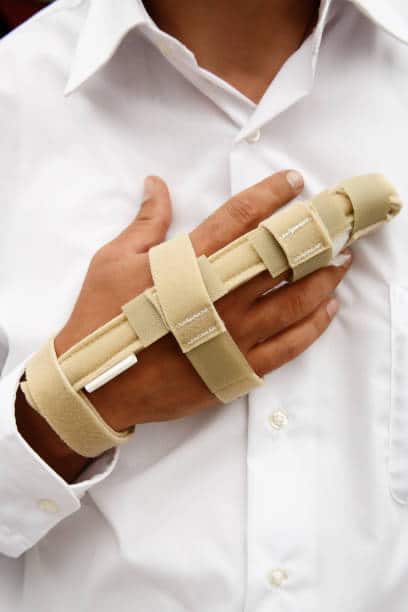
Splints are sturdy implements that your child can use to keep their joints in place to reduce their pain. There are splints that can be used during daytime activities and those that can be used while they’re sleeping. Using both of these can be a tremendous help.
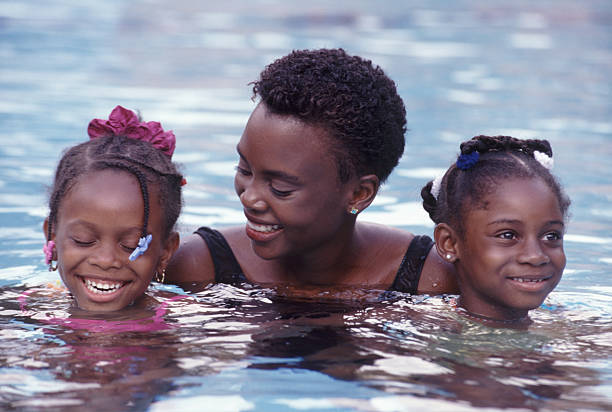
It might sound strange to recommend exercise to someone who is in pain but studies show that being physically active helps to reduce the discomfort. Talk to your doctor before choosing an activity to make sure your child
will be up to it. In many cases, swimming is a good place to start.
READ: Best Stretches For Arthritis

It’s best to avoid giving your child foods that are highly processed, high in fat, and have refined sugars as these foods have been shown to promote inflammation. If you’re up to it, health experts recommend adopting an anti-inflammatory diet such as the Mediterranean Diet. Even if you don’t make all the changes, a few modifications to what your child eats can help.
Over-the-counter painkillers are rarely effective for children with juvenile idiopathic arthritis. Even with prescription-strength nonsteroidal anti-inflammatory drugs (NSAIDs), you may find that you’ll have to try different ones before your child is satisfied.
While it’s good to get exercise, targeted activities that are designed to improve how well your child moves will also help. Of course, not every child needs physical therapy so consult your doctor. It’s most likely to be recommended for children who are having trouble with ease of movement and need to build muscle strength.
There’s a lot of emphasis on the physical toll of the disease but there are emotional stressors as well. Since studies show that poor emotional health can impact how well persons deal with pain, it’s important to address that. You can be your child’s outlet if you can handle it or you can set regular appointments with a therapist.
It can be difficult to see your child in pain so it’s good to know that there are ways that you can help them manage it. If you’ve tried everything and it’s not helping, try asking your doctor about other options. In rare cases, children with juvenile idiopathic arthritis need surgery to get the disease under control. It’s not a decision that’s taken lightly but you should know early if that’s what your child needs.


By subscribing, you consent to receive emails from BlackDoctor.com. You may unsubscribe at any time. Privacy Policy & Terms of Service.