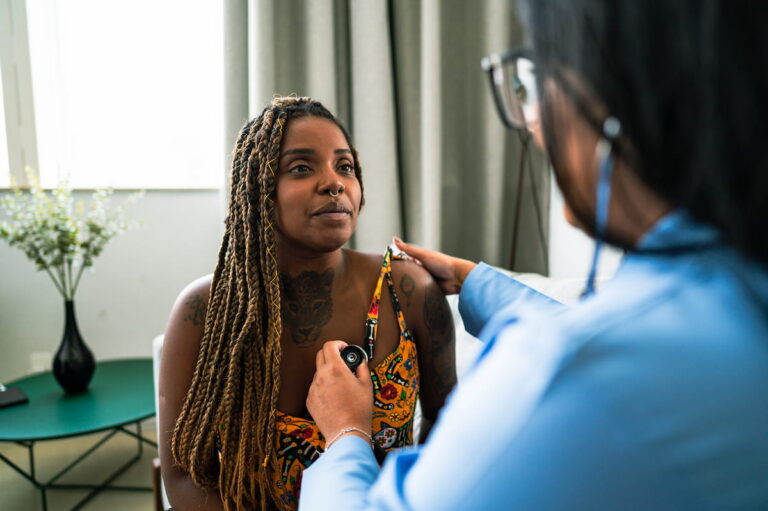
Getting diagnosed with sickle cell disease is only the beginning of your journey with this lifelong illness. Sickle cell disease gets its name from the abnormal sickle-like shape of the red blood cells in people who live with it. These blood cells can clump together to block blood flow throughout the body. It’s these cells that can cause the usual symptoms that are associated with the disease. These symptoms include anemia, nerve pain, joint pain, and swelling in the joints. The good news is that sickle cell disease can be effectively managed if you work with your doctor. As you’re living with the illness, there are a few things you need to know.
A diagnosis of sickle cell disease is not enough. Your doctor will need to do further tests to determine the type of sickle cell that you have. This information will help to pinpoint the severity of your symptoms as well as how you should be treated.
Currently, there are six possible types of the disease. The common ones are HbSS, which is a severe form of the disease, HbSc, which is milder, and HbS beta-thalassemia, which can be either. The rarer forms are HbSD, HbSE, and HbSO.
Pain is one of the characteristic symptoms of sickle cell disease. While the severity may vary, you’ll need to work with your doctor to develop a pain management plan. You may only need over-the-counter painkillers or prescribed drugs. During a crisis, it’s possible that you’ll need stronger medication.
RELATED: 5 Signs That You Should Get Tested For The Sickle Cell Trait
A sickle cell crisis occurs when blood cells clump together and cause a blockage. A few of the symptoms you can experience are pain, fatigue, headache, dizziness, and trouble breathing. While there are times when you can handle it at home, a severe crisis will need your doctor’s help.
After your diagnosis, it’s likely that your doctor will set up a schedule for you to see them. The frequency will vary depending on your age and the type of sickle cell disease you have. Of course, you may have unscheduled visits if you’re having a crisis or there are complications.
Given the nature of the disease, it shouldn’t be surprising that there can be complications from living with it. A few well-known ones include anemia, acute chest syndrome, leg ulcers, and an increased risk of having a stroke.
In many cases, these complications can be prevented but there are
other times when they can only be treated when they occur.
One way to reduce the likelihood of developing complications is by getting regular blood transfusions. The transfusion will replace the abnormal red blood cells for a little time so your symptoms won’t be as pronounced. Not everyone will be eligible for these transfusions, though, so it’s best to work with your doctor’s determination.
The first thing you should know is that staying hydrated is important when you’re living with sickle cell disease. You should also maintain a diet that’s high in fruits, vegetables, healthy fats, whole grains, and lean proteins.
It’s best to reduce alcohol consumption and avoid smoking. Many doctors recommend being physically active so find an exercise routine that works for you.
Drink Up: Staying Hydrated Can Help Sickle Cell Patients
People with sickle cell disease are more prone to infections. On top of practicing proper hygiene, you’ll need to keep your vaccinations up to date. This is another area that your doctor can help you with so you’ll know the best times to get a vaccine.
While there are effective methods for treating or managing sickle cell disease, a stem cell transplant is the only way to cure it. In this procedure, healthy stem cells are incorporated into your bone marrow so it can produce healthy red blood cells.
Since you have to be a close match to the donor, though, it’s not available for everyone. The procedure also has its risks so you’ll have to discuss them thoroughly with your doctor.
Many Blacks are living well with sickle cell disease. The key is taking care of yourself and following your doctor’s medical advice. If you have concerns about a treatment not being effective, make sure to tell your doctor as soon as possible so you can discuss the alternatives.


By subscribing, you consent to receive emails from BlackDoctor.com. You may unsubscribe at any time. Privacy Policy & Terms of Service.