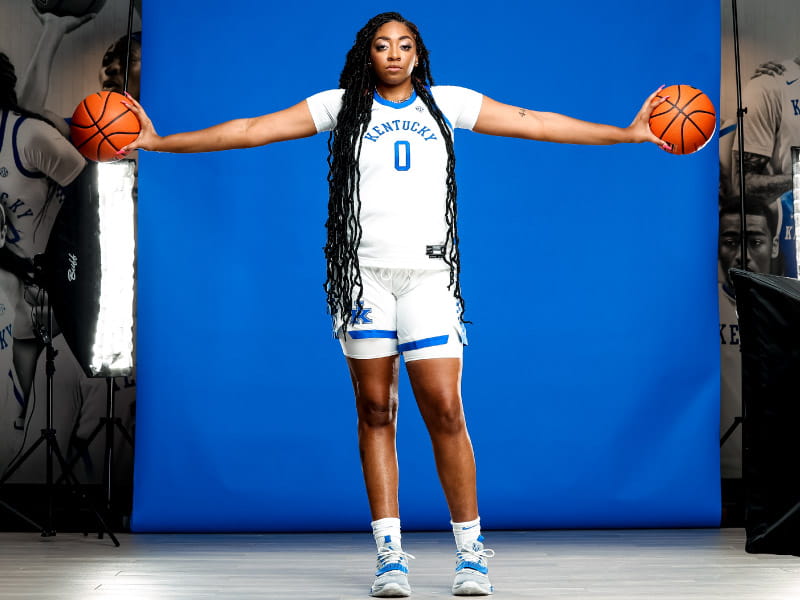
When Tionna Herron was 8, she learned some valuable things: She was good at playing basketball. And she had a rare heart condition that sometimes made her chest hurt after she played.
Her condition had a long name – anomalous aortic origin of a coronary artery (AAOCA). It meant one of the arteries coming out of her heart was misaligned, making it harder for blood to flow. When it gave her occasional chest pains, they didn’t last long.
A pediatric cardiologist assured her family it was safe for her to play basketball. In fact, even though AAOCA is the second-leading cause of sudden cardiac death in young athletes, most people with the condition aren’t restricted from sports unless they are considered high-risk, which she wasn’t.

So Herron, of the Dallas suburb DeSoto, Texas, stayed on the court. As she grew up – and up she certainly grew, becoming so tall her classmates nicknamed her “Tree” – her love of basketball was never sidelined by her condition.
By the time Herron was a junior in high school, the 6-foot-5 center had the attention of college basketball recruiters across the country. A skilled shot-blocker, she had her pick of schools and committed early to the Kentucky Wildcats. Then, she helped her high school team win back-to-back state championships. She was at the top of her game.
“I was so excited to get on the court and get my name out there,” says Herron, who chose Kentucky not for its winning record, but because of the supportive environment the coaches created. “It was where I felt like I’d fit in.”
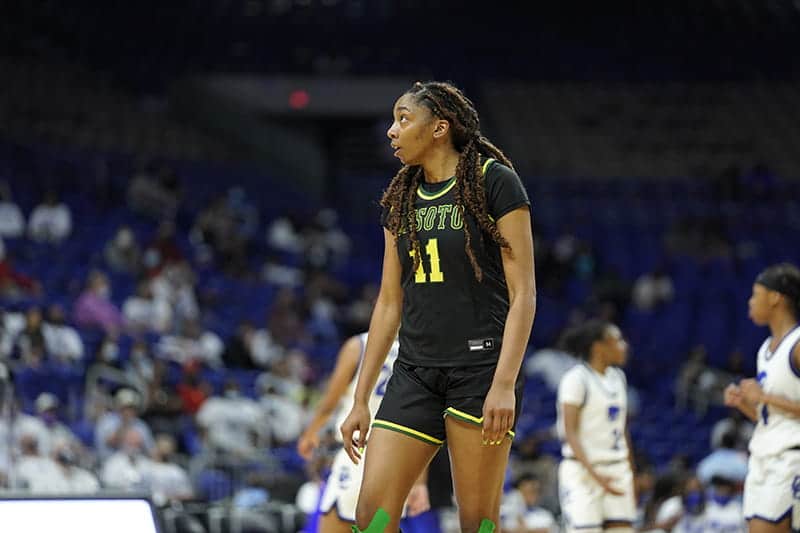
There was just one thing left to do before she could take the court: She needed medical clearance because of her heart condition.
Before she left Texas, Herron’s doctors in Dallas gave her the green light. She felt good. But when she got to Kentucky, further testing raised questions about whether she should have surgery to correct the misaligned artery. The team’s medical staff sent her to a cardiologist in Atlanta, who concluded she should not play until the procedure was done.
“The difficult part of this is that her condition is so rare, a lot of the doctors we talked to were not in agreement” about when a patient requires corrective surgery, says Herron’s mother, Angel Worlds.
But because sudden cardiac arrest can occur in people with anomalous aortic origin of a coronary artery following exertion, the risks of leaving it untreated can be high.
In the end, says Worlds, “the biggest thing was making sure she was OK, physically and mentally.” Herron had the surgery in August and arrived on campus a month after the semester had begun.
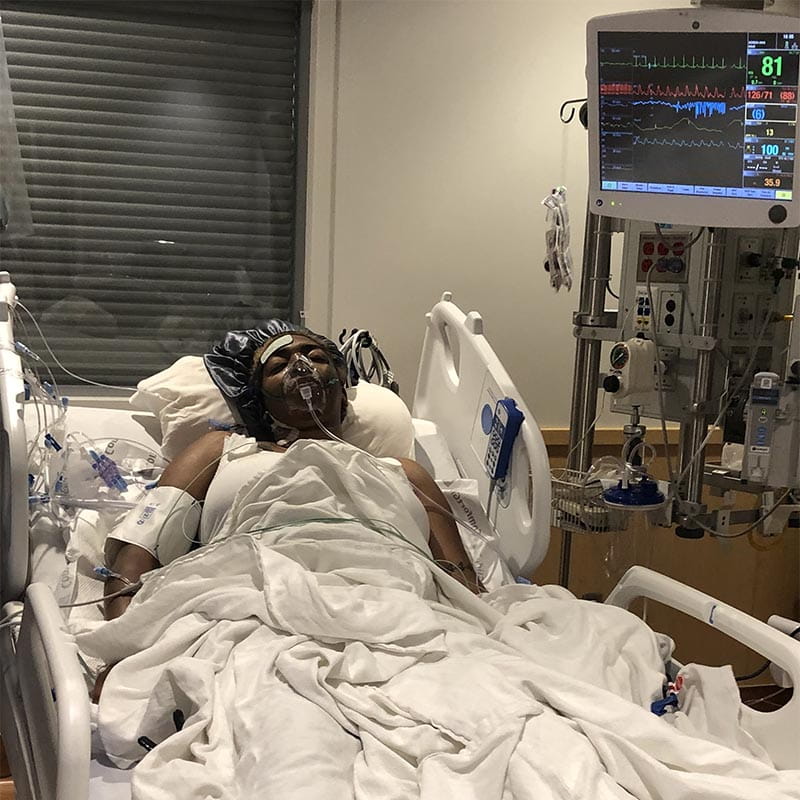
She’s receiving cardiac rehabilitation and doesn’t know when she’ll be cleared to play. But that doesn’t mean she isn’t part of the team. Wildcats coach Kyra Elzy is emphatic on this point.
“I think what we have to offer at Kentucky is that we’re truly family,” she shares. “We’re here through the good and the bad. Injured or sick, you are still valued on this team.”
Herron remains involved, taking on responsibilities akin to being another assistant coach.
“I’m always at practice,” she says. “I look at film and help my teammates, tell them what I see from the sideline that they possibly can’t see.”
Elzy says Herron “is like another coach on the floor. She has a great feel for the game. She’s very talented, so her peers take what she has to say seriously. Sometimes peer-to-peer feedback can be very effective.”
And while Herron can’t yet train with her teammates, she gets plenty of conditioning as part of her cardiac rehab program. “We tell her to treat her cardiac rehab like practice,” says Elzy, who takes a holistic approach to her players’ health.
“We talk to her about the mental aspects,” Elzy adds. “She’s been through so much in such a short amount of time. We want to make sure her mental state is where it needs to be. And we talk to her about nutrition, about how to fuel her body to reach her goals. These are things she needs for herself, but also to be a good member of the team.”
Herron, who is working toward a degree in public health, said she is fully committed to both her studies and doing whatever it takes to get back on the court.
Elzy has no doubt she will succeed.
“Let me tell you, she is resilient. She is tough,” the coach says. “She called us from the hospital after surgery. She FaceTimed me and said, ‘I did good, coach, but I’m going to get out of this bed and walk.’ It’s a mentality athletes have. We’re used to fighting through, being knocked down but you have to get back up. She is a woman on a mission and I have very high hopes that she will return to the court.”
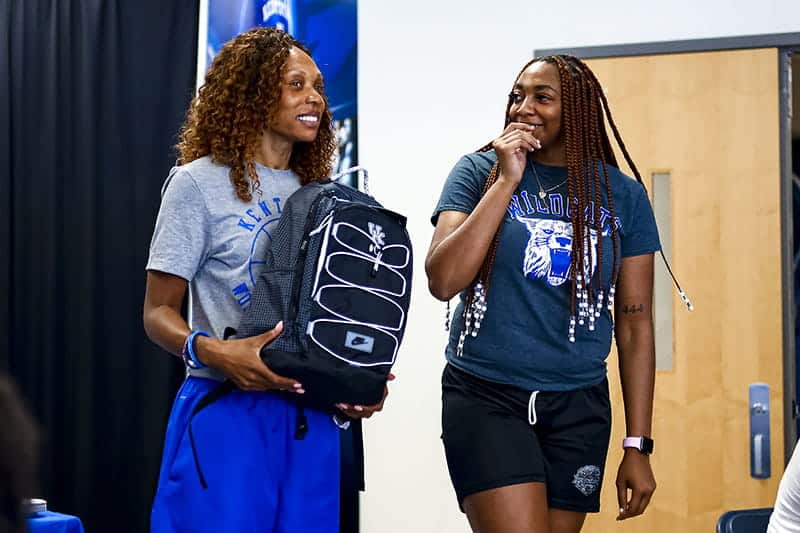
Elzy feels so strongly about recognizing Herron’s efforts, she created the Blue Heart award in her honor. At the end of every game, Elzy says, it’s given to a player “for resiliency and toughness, for players who leave their heart on the floor.”
RELATED: Heart Failure In Your 20s? The Unknown Condition That Needs Awareness
Children with AAOCA typically begin to have symptoms around age 10, when they begin competitive sports or more vigorous exercise. In some cases, the first sign of anomalous aortic origin of a coronary artery is sudden cardiac arrest.
Symptoms can include:
The condition is usually diagnosed with an echocardiogram. If your child is experiencing any of the above symptoms, your doctor can confirm the diagnosis with a cardiac MRI or computed tomography angiogram (CTA) as well as additional testing, such as an exercise stress test with stress echo.
By American Heart Association


By subscribing, you consent to receive emails from BlackDoctor.com. You may unsubscribe at any time. Privacy Policy & Terms of Service.