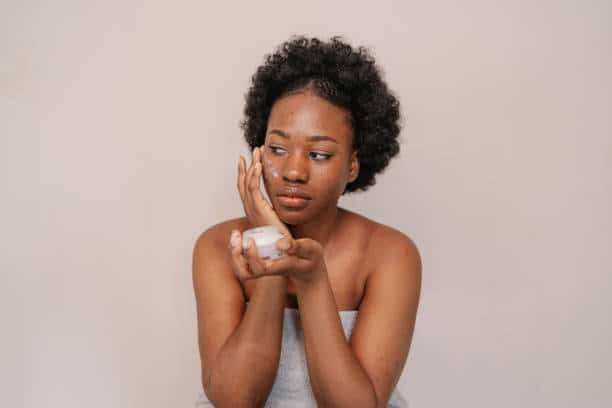
Your organs aren’t just inside—your skin is actually your body’s largest organ. Unlike other organs, we can see it visually, every day. How our skin reacts—from heat rashes to pimples to eczema—is its way of telling a story.
You may have noticed lately that your skin has felt itchy, red and inflamed. While this is a common occurrence for people of all ages, flare-ups and severe cases can often be a result of stress. When our bodies and minds are under intense stress levels, the immune system weakens, allowing other conditions to pop up.
If you’re struggling with eczema, and topical creams alone aren’t helping, consider what’s going on in your life. Has your job been more taxing than normal? Are you juggling working with taking care of your kids? Have you recently lost a friend or loved one? Are you in the middle of an emotional conflict? These are just a few emotional stressors that could be going on in your life.
If you find that treating the eczema alone isn’t helping, start looking inward. What can you do to take some of the pressure off? Can you confide in a friend or family member? Do you go to therapy regularly? Taking care of our minds is one of the best ways we can also take care of our bodies.
RELATED: 5 Ways Stress is Affecting Your Skin
No one enjoys seeing a pimple pop up at the most inconvenient moment—before a date, a big presentation, or other major events. While acne can be caused by external factors, such as exercising and sweat/bacteria buildup, it can also reveal what’s going on inside. For example, if you are suddenly breaking out, or find that you break out regularly, you may want to look back on your habits. Are you drinking enough water? Are the foods you are eating healthy?
Sometimes, we turn towards comfort food and habits when we’re feeling low. It’s possible that you could be struggling with depression if you’re struggling to shower regularly (and hygiene is key to preventing breakouts), eat healthily (which can affect the hormones in our body) and drink enough water, your acne may be trying to tell you something. Seek guidance and help from a therapist, friend or dermatologist who may help.
You don’t have to have a skin condition to suffer and take it out on your skin. While breakouts and acne can cause triggers, exoneration happens when you’re feeling anxious and need to release the emotion by picking at your skin and/or hair. Many people don’t even realize they’re doing this. It becomes an unconscious habit, and before you know it, you’re missing a part of your eyebrow, you’re skin is inflamed from picking, or you may even have some scars. This eventually is seen as a skin condition that really should be treated at the core—what’s going on inside that is causing this coping mechanism?
Many people who struggle with exoneration have underlying mental health conditions such as Obsessive Compulsive Disorder (OCD), anxiety, and Major Depressive Disorder (MDD). Thankfully, there are plenty of treatments and preventative measures that can be taken to help ease exoneration and the side effects of these underlying mental health conditions. A simple way to take the first step towards healing is by putting Band-Aids on your fingers, or blocking your skin so that there is a protective barrier.
RELATED: 5 Things You Didn’t Know Were Triggering Your Eczema
Your skin is a beautiful part of you—it can be easy to feel insecure when it reacts, but remember it’s trying to tell you something. Embrace all of your skin and who you are, and look for the signs that you may want to turn inward and seek help—whether from a friend, medical professional or family member.


By subscribing, you consent to receive emails from BlackDoctor.com. You may unsubscribe at any time. Privacy Policy & Terms of Service.