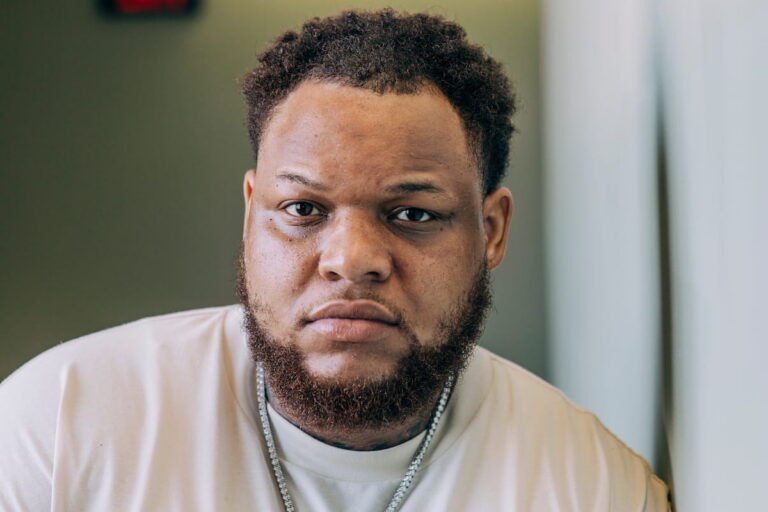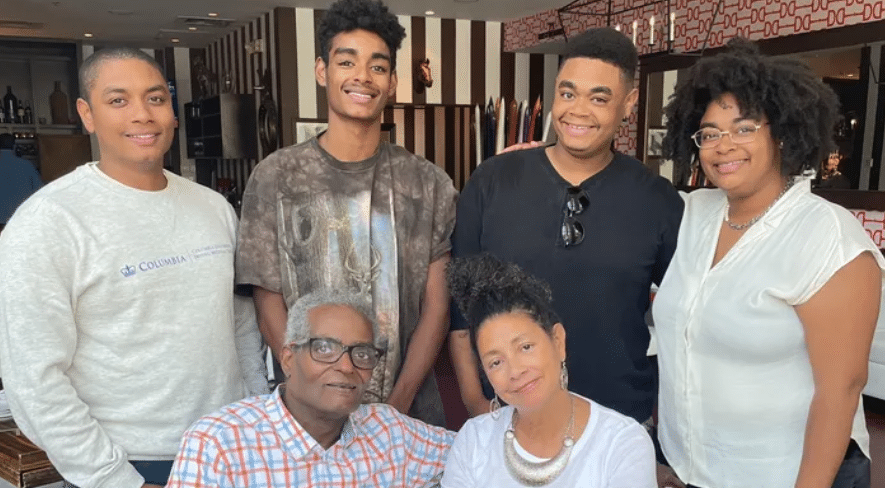
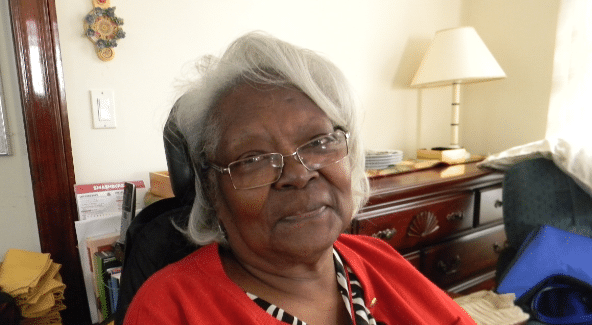
In 2014, Stephen Fray faced a life-changing moment when his mother was diagnosed with Familial Amyotrophic Lateral Sclerosis (ALS). This rare progressive neurodegenerative disease affects 10 percent of the ALS population and .08 percent of Black Americans. Little did they know that this diagnosis would set the stage for Fray’s own battle with ALS later on.
The family, including Fray and his sister, became caregivers as their mother navigated the challenging terrain of ALS. Fray’s mother, who was diagnosed at 81 stayed with the family for five years, surpassing the initial prognosis of two to three years.
In the final years, both of Fray’s parents battled health issues simultaneously, adding emotional strain to an already difficult situation.
“Toward the end it really began to take a toll on everybody,” Fray shares. “If I could go back 10 years ago, back to 2014 when my mother was diagnosed, I would have been more involved. I wish I’d known before because there’s a lot of things that need to be addressed with ALS.”
Fray’s own journey with ALS began with a sudden realization during a ski trip in Utah. Struggling on the slopes, Fray, who describes himself as morbidly obese at the time, initially attributed it to orthopedic issues but soon discovered it was a symptom of something more profound.
Upon consulting a neurologist, he underwent an electromyography (EMG) test, the key to diagnosing ALS.
“The results came back the very next day and the doctor said I’m referring you to the ALS clinic,” Fray recalls. “I called to make an appointment with the clinic, which happened to be the same clinic that my mother went to,” Fray shares, adding that because of this, he was able to get an appointment immediately.
The ALS clinic not only confirmed Fray’s diagnosis but also initiated genetic testing due to the family’s extensive history with the disease. Fray discovered he carried the mutated gene responsible for familial ALS. Unfortunately, genetic testing was not conducted for his mother, leaving uncertainty about hereditary ALS. The genetic link extended further in the family, with Fray’s cousin also testing positive for the mutated gene.
Armed with knowledge, Fray became an advocate for ALS awareness, emphasizing the critical need for early diagnosis.
“I had to really advocate for myself,” Fray says, highlighting the challenging time people of color often have getting diagnosed. “I can somewhat understand what happened with my aunt Edith and my aunt Martha – they weren’t diagnosed properly and I think that that’s one of the major things I would like to talk about…”
He urges individuals to take charge of their health, asking questions and seeking information.
“Do your research, find out everything that you can. Ask questions. Don’t think that it won’t be you. Nobody’s going to do anything for you; you just have to get out there and advocate for yourself,” Fray adds.

Familial ALS, accounting for a small percentage of cases, carries a genetic component. Fray emphasizes the importance of research focused on genetic advancements, citing the recent approval of a promising medication.
This medication, showing signs of slowing down ALS progression, offers hope to those with the mutated gene.
“Through sharing my story, I hope to raise awareness about ALS, encourage genetic testing, and support ongoing research for a cure,” Fray says.
Beyond physical challenges, Fray discusses the emotional toll ALS takes on families, especially when a genetic link is established. From spouses providing care to children grappling with the potential of inheriting the mutated gene, the mental health aspect of ALS is often overlooked.
“It weighs heavy on my wife, even though we’re separated. That’s tough on her, taking care of somebody with ALS, having seen somebody go through it,” Fray notes.
Do your homework. “Don’t go looking at all the junk. Some holistic medicines are helpful and have been proven because some pharmaceuticals being studied are part of those formulas. But don’t get carried away. Read it for your information, but find out about what you’re going through and what has been done for this. Do your study, look, and find all the avenues that you can get help with. Take advantage of it.
If you suspect you may have Amyotrophic Lateral Sclerosis (ALS) or are experiencing symptoms associated with ALS, it is crucial to consult with a healthcare professional promptly.
Here are some signs and symptoms that may warrant a visit to a doctor for further evaluation:
It’s important to note that these symptoms can be associated with various medical conditions, and not everyone experiencing them will have ALS. However, early diagnosis and intervention are crucial in managing ALS symptoms and improving the quality of life for individuals affected by the disease.
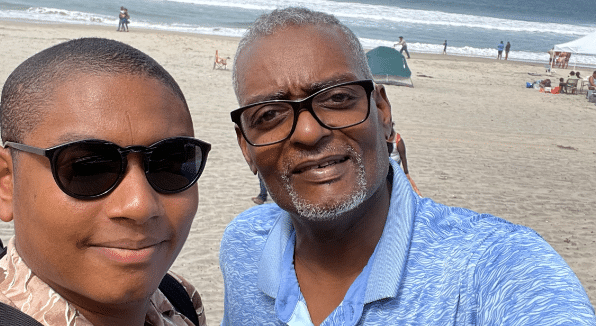
All photos courtesy of the Fray family


By subscribing, you consent to receive emails from BlackDoctor.com. You may unsubscribe at any time. Privacy Policy & Terms of Service.