Some diseases can hit harder than others.
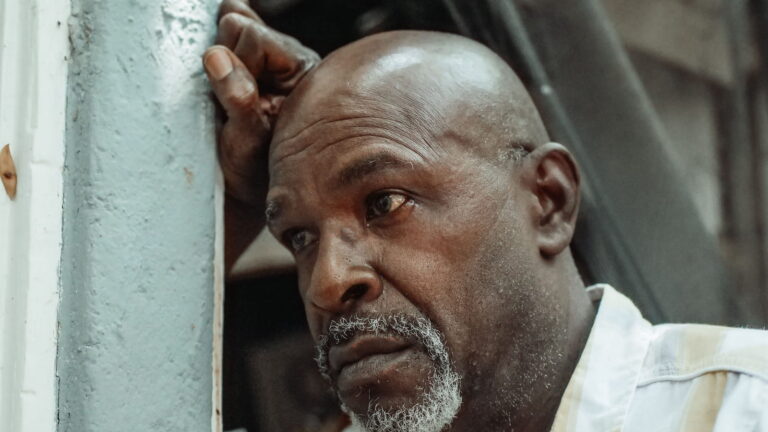
While physical symptoms, debilitating struggles, and other bodily impacts can be absolutely life-changing, occasionally, the psychological effects may be even more severe than anything physiological.
Peyronie’s disease, a condition that causes curvature, pain, and bending during erection, may be one of those issues. For numerous men, the emotional – and relational – toll of Peyronie’s is the worst part of the disease overall.
It can quickly go from a medical issue to a downright confidence-killer.
But here’s the reality: this disease is not only treatable and manageable, but in some cases, can be improved. Even when physical changes persist, a satisfying sex life is still possible.
Let’s discuss everything you need to know…
It’s more than just anatomical.
Clinically, Peyronie’s disease is characterized by fibrous plaque formation. This formation typically occurs in the tunica albuginea of the penis, a tough layer of connective tissue that helps to protect reproductive organs. However, it is more difficult to determine and measure the impact on the non-physical aspects.
According to a 2026 review in the journal Andrologia, which analyzed 17 clinical studies, men with Peyronie’s disease experience significantly higher rates of depression, anxiety, and relationship distress than the general population.
This is why the American Urological Association emphasizes that Peyronie’s disease should be treated as both a physical and a psychosocial condition in affected men.
RELATED: How the Penis Changes With Age
It is not uncommon for many men, especially men who pride themselves on physical prowess, to become avoidant. When the effects of Peyronie’s are fully realized, many men may grow despondent, choosing to ignore and distract from the issue rather than face it head-on.
But in time, this silence only creates misunderstanding.
The truth is, most partners respond far better to honesty than men expect.
Research published in the Journal of Sex & Marital Therapy has found that open discussion about sexual difficulties can help improve relationship satisfaction. At the same time, negative reactions such as shame and catastrophizing are linked to lower sexual satisfaction and greater distress.
This is why communicating openly and without fear can be constructive.
Consider the following various ways or ‘scripts’ to broach the subject and address the issue:
Script 1 (starting the convo):
“Something about me has changed physically, and it’s impacting my confidence. I want us to talk about it so it doesn’t come between us.”
Script 2 (negating blame):
“This isn’t your fault or my fault, and it doesn’t change my attraction to you. Together, we can figure out how to adjust.”
Script 3 (furthering teamwork):
“Although I’m addressing this medically, we can both also explore what feels good while I deal with it.”
Don’t aim for perfection – that’s impossible. Instead, the goal should be to reduce secrecy and invite partnership. After all, secrecy can damage intimacy the most, more so than even the physical changes.
RELATED: Why ‘Optimization is the New Silence in Black Men’s Health

When it comes to Peyronie’s, pain and mechanical difficulty often come from two main reasons: angle mismatch and tension during penetration.
This is why a primary goal for men with the condition is to reduce stress on their phallus while maintaining closeness and intimacy.
Although there is limited formal clinical research on the optimal sexual positions for individuals with Peyronie’s disease, certain principles of sexual medicine literature may apply. Overall, these principles emphasize minimizing mechanical strain and allowing individually controlled depth and angle.
But how is this achieved?
For some men, it’s easier than for others, and a primary predictive factor may be the degree of curvature. As such, men may occasionally find relief in positions such as side-by-side spooning, modified missionary positions, and seated face-to-face positions — though it’s worth noting that formal research on this specific topic remains limited.
However, it should be cautioned that positions are highly idiosyncratic. You should always consult your personal physician and, of course, your partner about potential positions and bedroom modifications.
That said, in general, the greater control the affected partner has over angle and depth, the less discomfort and anxiety there is likely to occur.
Think of it this way: it shouldn’t be about limitations. The thought process should be about engineering comfort. Focus on what you can do, rather than what you can’t, and explore areas of potential physical union. This can help not only physically but also psychologically.
All treatments are individual-based. What works for one man may not work for another, and a significant portion of this is related to the degree of curvature, the compatibility of bodies, and other interpersonal and physical factors.
For these reasons, Peyronie’s disease has a range of interventions, with only a few having strong clinical support.
One potential remedy to consider is collagenase injections (Xiaflex). This is one of the most studied nonsurgical treatments for Peyronie’s disease, and in some clinical trials, it has been shown to reduce curvature in selected patients
Essentially, the therapy works by breaking down collagen in the penile plaque, which can allow for gradual remodeling.
After collagenase injections, penile traction therapy is performed. This may be another promising non-surgical approach that involves physically stretching penile tissue over time. According to a 2025 review in the journal Cureus, it may even prevent or postpone the need for surgery, although individual results vary widely.
It’s important to remember that consistency matters more than intensity. Changes don’t happen quickly. Short daily use over months produces lasting change, so speak to your doctor and explore those options with the most promise for you.
RELATED: Answers to Penis Questions You Were Afraid to Ask
You’ve probably seen tons of supplements advertised, but which ones are gimmicks and which ones can actually work?
Here is where honesty is critical. While supplements are widely marketed, evidence is often limited.
Some compounds—such as L-carnitine and antioxidants—exhibit mixed results in early-stage disease, but none are considered definitive as first-line therapies.
According to the American Urological Association, most oral therapies lack sufficient high-quality evidence, and even if they work effectively for some men, their impacts may be negligible for others. So, keep in mind:
In the end, just be wary. If someone is promoting a “pill-only cure,” maintain a healthy skepticism!
Unfortunately, some men with Peyronie’s disease may also experience erectile dysfunction. For this reason, maintaining erectile quality is important not just for sex, but for tissue health too.
Certain PDE5 inhibitors, such as sildenafil (the same medication found in Viagra), may help offset these conditions. They have been studied in men with Peyronie’s disease, especially men with concurrent erectile dysfunction.
Although the findings are not conclusive, a 2014 study in the Irish Journal of Medical Science found that these medications can help improve rigidity and sexual function in a subset of patients.
If you’re wondering why these drugs can help, it’s because erections themselves help oxygenate penile tissue. However, when erectile activity is reduced, this lack of oxygenation can worsen fibrosis (scarring) over time.
Just be sure to seek medical supervision, especially in the case of men with cardiovascular conditions or those taking nitrates.
RELATED: Peyronie’s Disease: How to Start The Conversation With Your Doctor
For many men, there is a point where self-management is no longer enough. If you reach this point, do not be ashamed. Peyronie’s disease can range widely between patients, so what may work for others may not work for you, and vice versa.
Not sure if you’ve reached this stage?
You should seek urologic evaluation if:
Always remember: early intervention matters. If you choose to wait and wait, this could very well allow fibrosis to stabilize, thereby creating an even more severe deformity.
So be proactive.
A fulfilling sex life after Peyronie’s disease is not impossible. It is common for men to stay sexually active with consistent and effective treatment. The goal is not to return to “exactly how things were.” It’s to build something that works now, with the body you have.
And that is always something to reach for.


By subscribing, you consent to receive emails from BlackDoctor.com. You may unsubscribe at any time. Privacy Policy & Terms of Service.