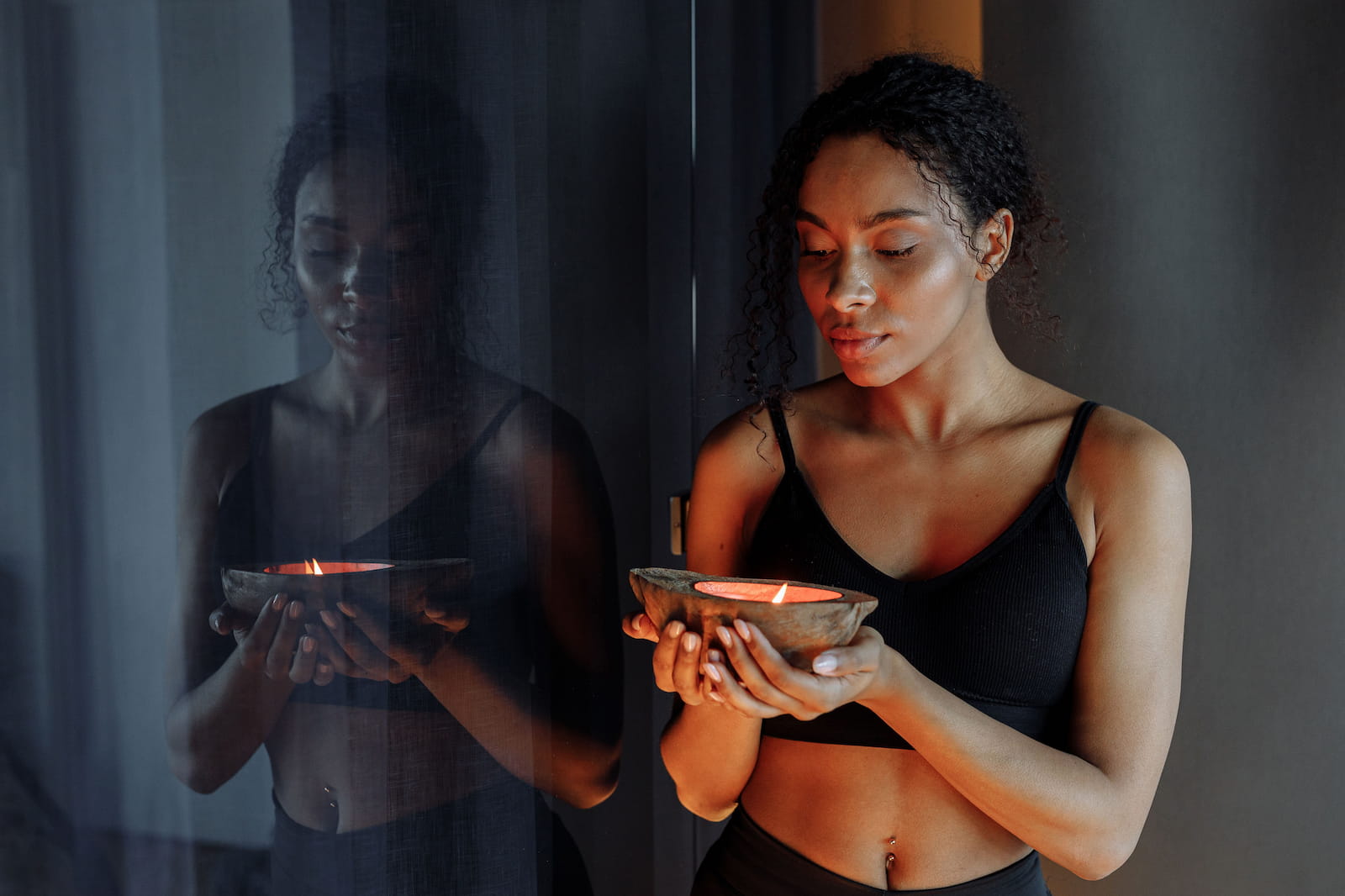
If you have scented candles in your home, you’re not alone. Data from the National Candle Association show that 70 percent of American households use candles, and three-quarters of purchasers said the fragrance of a candle is extremely important or very important in determining what they buy. The association also noted that more people were using scented candles as part of a relaxation or stress-reduction strategy. Interestingly, a market analysis report from Grand View Research estimates that the scented candle market is set to grow by 4.1 percent by 2030. However, using scented candles to relax or uplift your living space isn’t necessarily as simple as it may seem. Here are three things you need to know.
Particulate matter (PM) is defined as a complex mixture of solid and/or liquid particles suspended in air. Although these particles can vary in size, shape, and composition, the United States Environmental Protection Agency (EPA) is typically concerned about particles that are 10 micrometers in diameter or smaller. That’s because you can inhale these particles, which can then affect the heart and lungs or cause serious health effects. These particles are usually found outside but can also be present inside.
While the National Ambient Air Quality Standards (NAAQS) don’t specify indoor air quality, they state that the average for PM2.5 under primary standards shouldn’t exceed 9.0 μg/m3 in one year, while the secondary standards state the average shouldn’t exceed 15.0 μg/m3. Additionally, the 24-hour average for PM2.5 shouldn’t exceed 35 μg/m3. For PM10, the average maximum is 150 μg/m3 for primary and secondary standards.
According to the EPA, primary standards protect public health, including the health of “sensitive” populations such as asthmatics, children, and the elderly. Secondary standards protect public welfare, including against decreased visibility and damage to animals, crops, vegetation, and buildings.
With that in mind, a study on scented candles suggested that particulate matter rose significantly in the areas where they were lit. Conducted in Korea, the study showed that PM10, PM2.5, and PM1 levels rose at the point where the candles were lit, as well as in areas surrounding them. For example, researchers noted that five minutes after lighting a scented candle, the PM10 concentration increased to 39.9 µg/m3 in the spot directly above the candle.
RELATED: This Popular Candle Brand Is Filling Your Home With Toxins
In the same study, researchers also noted that scented candles could affect microorganism levels in the air. Before burning the candles, the dominant m-AB genera included Phyllobacterium and Pseudomonas. After burning the scented candles, Phyllobacterium myrsinacearum in n-ABE significantly increased, marking its first detection in indoor air.
However, health issues from this microorganism are rare. This study details the only reported case of someone having an adverse reaction from being exposed to it. The researchers were only looking at changes in the environment that occurred after lighting scented candles. More research is needed to determine how indoor air quality may change when you use scented candles.
According to a recent study, lighting a scented candle can release harmful gases. While some of these gases haven’t been shown to be harmful, others have a higher potential for causing health issues. Gases like carbon monoxide or nitrous oxide can contaminate your air, while polycyclic aromatic hydrocarbons like naphthalene, anthracene, and pyrene have been identified as carcinogens. These gases and contaminants can come from lit scented candles, as they may be in the materials used to make them. The materials can include artificial dyes and fragrances, petroleum-based ingredients, toluene derivatives, and benzidine-based dyes.
Additionally, formaldehyde and aromatic hydrocarbons like toluene and benzopyrene may be released in large quantities from commonly available scented candles, especially the less expensive ones made from paraffin wax. Although experiences vary, some people report vertigo, headaches, nasal irritation, respiratory issues, watery eyes, sneezing, stuffy nose, chest tightness, and a dry or irritated throat.
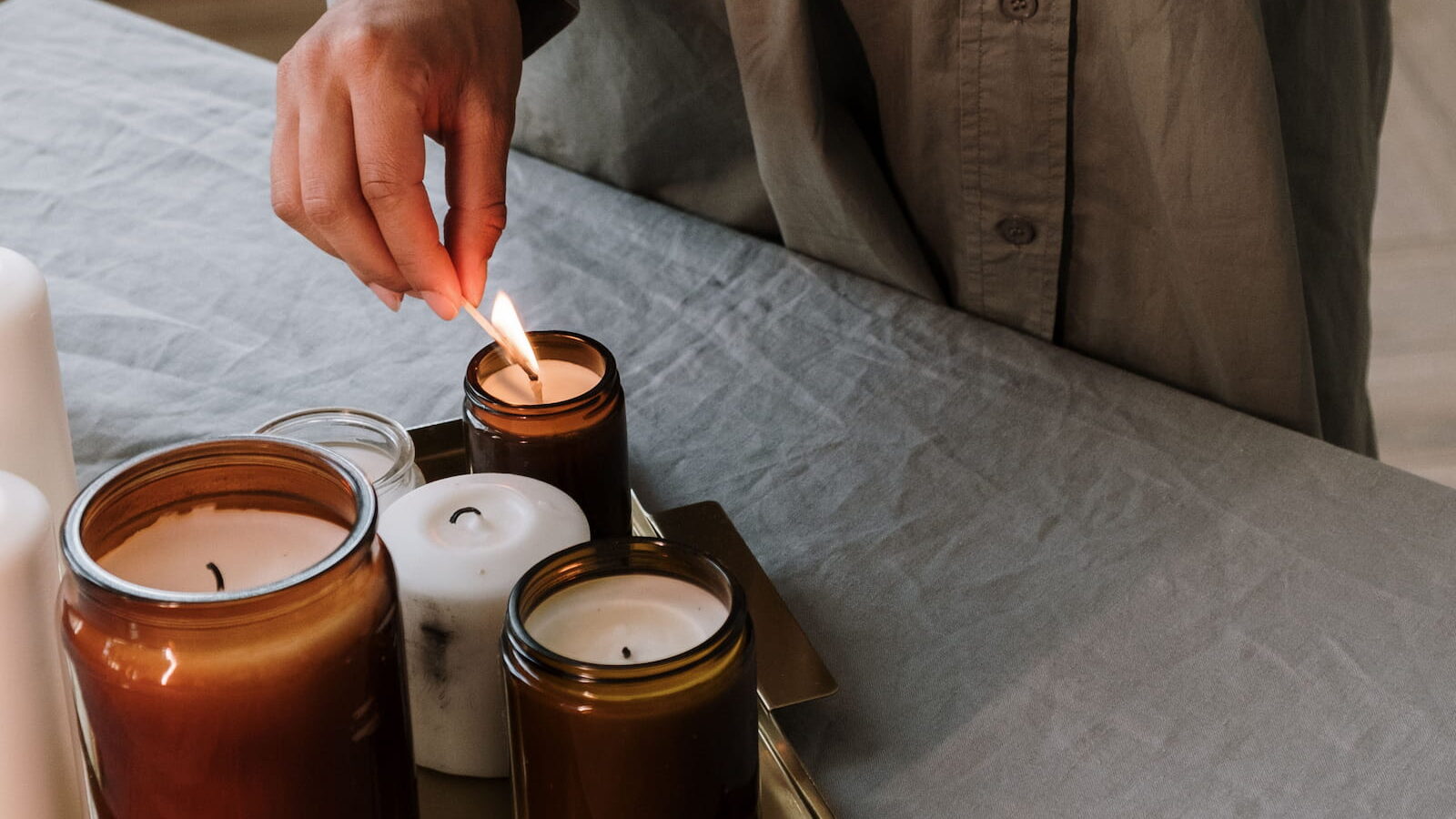
When assessing how scented candles may affect indoor air quality, researchers suggested a few ways you can use them more safely. One concern is how often people use scented candles, so using them less than you currently do may be a step in the right direction. Given that more research is needed on the effects of scented candles, there isn’t a recommended frequency of use yet.
Additionally, you should use these candles in a well-ventilated space so any emissions don’t concentrate in the room. If you use candles, consider using aids like a wick dipper to keep the wax pool clear of debris. When you’re done using the candle, using a snuffer instead of blowing out the flame may help to reduce the spread of particulate in the air.
Another option is to use candles that are made from natural materials such as beeswax or soy wax. Instead of lighting candles with artificial fragrances, look for those made with essential oils. The researchers also suggest avoiding candles made from low-quality materials like paraffin and other artificial ingredients. Ideally, manufacturers should list what their candles contain on the packaging. If this information is unavailable, it may be best to stay away.
Even with those guidelines, though, it’s important to listen to your body. The link between scented candles and health issues like respiratory distress can be complicated. In one Danish cohort study, researchers assessed the relationship between candle use in the home during winter and incidents of respiratory and cardiovascular events. Based on the results, they found no statistically significant association between candle use and the risk of cardiovascular and respiratory events. They noted that more research is needed.
In contrast, a cross-sectional study of university students from different regions in Saudi Arabia found different results for scented candles. According to their results, 65.7 percent of respondents used scented candles. This use was more prevalent in women than men, with 74.9 percent in the former demographic compared to 28.4 percent in the latter. Of those who used scented candles, 34.8 percent used them more than four times a month, and 40.2 percent lit scented candles for 20–40 min.
A total of 117 (24.8 percent) respondents reported health-related issues; the top three problems were headache in 72 (15.2 percent), shortness of breath in 42 (8.9 percent), and coughing in 37 (7.8 percent). Those who used scented candles five–six times a week showed significantly lower wheezing. Respondents who used scented candles for more than 60 minutes were 1.42 times more likely to have headaches, 1.29 times more likely to experience sneezing, and 1.23 times more likely to have wheezing. However, the researchers didn’t consider the association to be significant.
If you notice a bad reaction during or after using scented candles, it may be a sign you should stop using them. These issues can include sneezing, coughing, wheezing, or a headache. Symptoms can vary in severity and may be reversible once you’re no longer exposed to the candle, but sometimes they can be an emergency. You should seek urgent medical attention if you have any of the following symptoms:
When you’re looking for an alternative to scented candles, some people may recommend essential oil diffusers. Unfortunately, those may also have similar issues. In this study, researchers explored how diffusers may affect indoor air quality when using tea tree oil. They found that emissions of terpenoid volatile organic compounds (TerVOCs) varied by diffuser type, but overall, using a diffuser negatively affected indoor air quality.
In a double blind study, researchers assessed how lemon oil might affect cognition when using an ultrasonic diffuser. Groups were exposed to lemon oil, non-scented grapeseed oil, and pure deionized water under different conditions. Researchers then assessed participants’ cognition using a computer-based battery of five objective tests involving reasoning, response inhibition, memory, risk-taking, and decision-making. Results show that exposure to essential oil emissions caused shortened reaction time at the cost of significantly worse response inhibition control and memory sensitivity, indicating potentially more impulsive decision-making. The cognitive responses caused by scented lemon oil and non-scented grapeseed oil were similar, as was the perception of odor pleasantness and intensity.
That doesn’t mean you have no options, though. You can try to make your own form of aromatherapy with DIY recipes. For example, you can try this one:
If you have the space, you can also keep a few scented plants indoors. These include:
Of course, you have to choose plants that you can maintain and that you won’t have an allergic reaction to. If you have any doubts, it’s a good idea to talk to your doctor.
Although you may like using scented candles, you have to be aware of how they can affect your surroundings and your health. You can start by choosing the right candles and lighting them in well-ventilated areas. Of course, if you’re seeking the benefits of certain aromas, candles aren’t your only option. Consider seeking out essential oils that may carry the same benefit after talking to your doctor about what may be best for you.


By subscribing, you consent to receive emails from BlackDoctor.com. You may unsubscribe at any time. Privacy Policy & Terms of Service.