Culture, confidence, and identity.
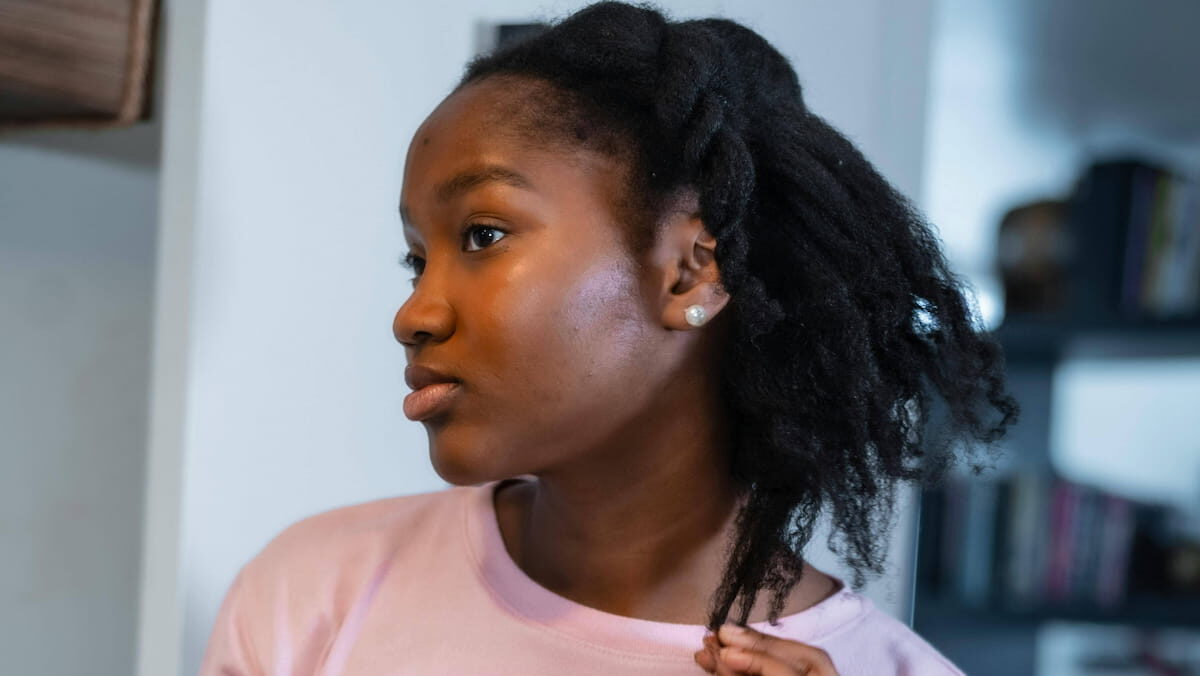
Hair is more than hair. It’s your style, it’s your look, it’s how you feel, who you are, and what you want people to think. From intricate braids and locs to elegant updos and natural textures, hair in the Black community has had its special place for generations.
And lupus can threaten it all.
For many Black women living with lupus, hair loss threatens the crown, bringing emotional weight alongside physical changes. According to the latest research, Black women are five times more likely to develop chronic cutaneous lupus, including discoid lupus erythematosus (DLE), compared to white patients.
What this means, in the end, is more problems. More severe scalp issues, more dyspigmentation, more scarring alopecia. Issue after issue after issue.
But there’s hope. If you apply some practical, everyday strategies, you can keep your hair going strong and growing long for years to come…
RELATED: Common Signs Of Lupus People Rarely Talk About
Hair loss and hair thinning are relatively common as we age, so how do we know if it’s just normal aging or part of lupus?
When it comes to classic discoid lupus lesions, the differences are night and day. On lighter skin, they often appear as red, inflamed patches with central clearing. On darker skin tones, however, they are usually hyperpigmented. That means they’re darker, typically scaly, and may appear dark brown or violet-toned.
You may notice these unsightly patches on the scalp, face, ears, and other areas. If left untreated, they can lead to scarring and even permanent hair loss in some areas.
So make sure you know what you’re seeing. First, look for well-defined, persistent dark plaques with follicular plugging, such as tiny plugs at the hair follicles. Also, note the symptoms. Are they itching, burning, or tender? Although some lesions are asymptomatic, many aren’t.
Finally, log any changes in their appearance. If the darkness increases around the edges, or if there’s central scarring where the hair stops growing, consult a dermatologist or rheumatologist as soon as possible. If you see bald patches on your scalp with smooth, shiny skin, it’s definitely likely lupus-related.
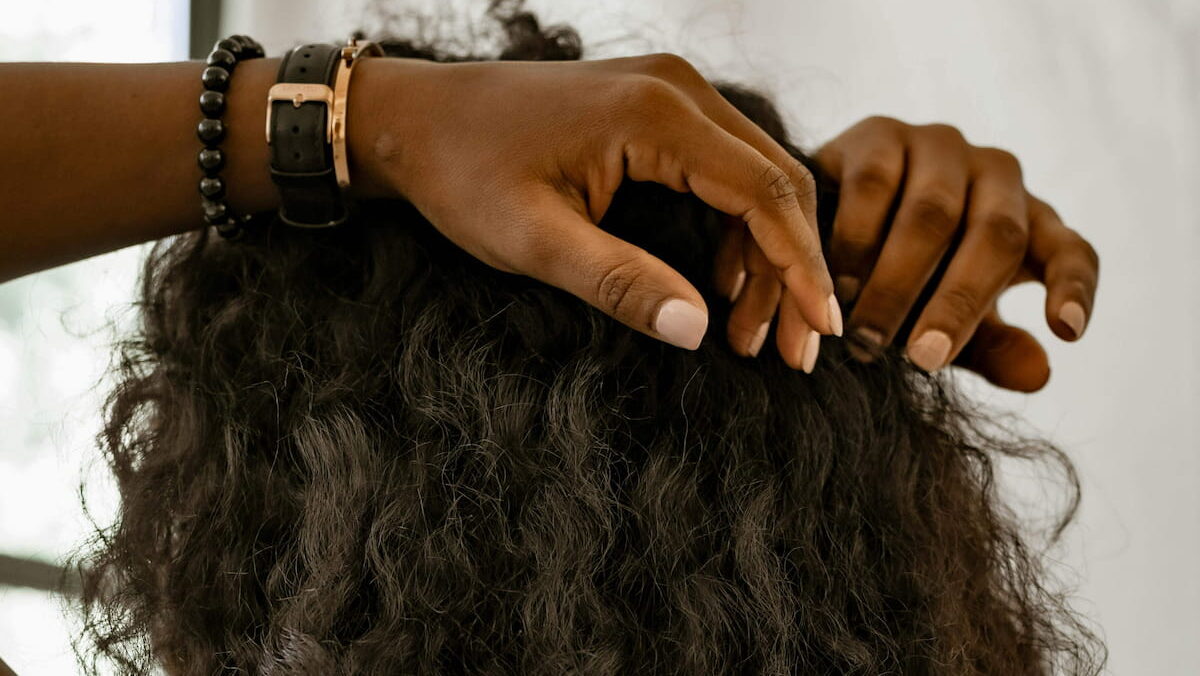
The two most important words to remember are gentle and consistent.
Because lupus-related inflammation, flares, and medications can trigger shedding, gentle scalp-friendly habits are a must. To get it all going, start with a mild, sulfate-free shampoo and conditioner. It should be formulated for dry or sensitive scalps, and this is usually written right on the label.
But don’t overuse it. Wash no more than once or twice per week to avoid stripping natural oils. Pat dry gently—never rub—and afterward apply a lightweight leave-in conditioner or oil (like jojoba or argan). This will help to lock in the moisture.
During conditioning, massage the scalp gently with your fingertips to increase circulation. Use wide-tooth combs or fingers to detangle from the ends, avoiding scraping with your fingernails.
Aside from what you apply to your hair, it’s also critical that you consider how you style your hair. Certain styles, like tight braids, ponytails, and weaves, can add traction stress, making shedding even worse.
Your best bet is to choose looser styles, rotate them frequently, and give your scalp breaks. Soft headbands or silk/satin scarves are also great for reducing friction – and look fashionable!
And speaking of looking fashionable, when you’re out and about, always be mindful of your sun exposure. Because UV light triggers lupus flares and worsens discoid lesions, it’s important to protect against the sun.
Wear wide-brimmed hats and use broad-spectrum SPF 30+ sunscreen on the scalp. If you have textured hair, spray or lotion formulas work well too. Also, consider sunglasses and UPF clothing for extra protection. During peak hours, seek shade whenever possible between 10 a.m. and 4 p.m.
Finally, don’t forget your prescriptions. The usual medications include topical corticosteroids or calcineurin inhibitors, which help reduce inflammation and scaling. However, you have to use them properly. Only apply these to affected areas, and only at the dose and for the duration your doctor prescribed.
And if you take systemic lupus medications, never stop them without consulting your provider first. Your doctor can also steer you as you navigate the various challenges and hurdles of this condition. In some cases, your hair loss might actually be due to medication side effects, and not the direct result of discoid lupus or a flare.
You can likewise get a scalp biopsy or blood test for deficiencies, as low iron and vitamin D levels can also lead to hair loss.
As you continue in your lupus journey, adaptation is key. You’ll have good days and bad days, you’ll have flares, sometimes, despite your best efforts, and during other periods, things will be calm and quiet. But not all of it has to be a rollercoaster ride.
After all, hair loss can feel deeply personal, especially when hair symbolizes strength and beauty within a broader cultural narrative. It’s normal to grieve changes, especially if you’re watching your hair disappear.
Fortunately, various adaptations can help. Many women experiment with shorter cuts that add volume. Depending on your preference, protective styles with less tension, or color treatments (if your scalp tolerates them) are also top ways to create fullness.
High-quality wigs are also an option. Some even have actual human hair, made to match your unique textures.
Stylish headwraps, turbans, and scarves offer additional ways to express yourself confidently. Satin-lined options reduce friction, too, which is why they’re a leading choice among Black women with lupus.
Feeling alone or unsure where to start? Connecting with others who understand isn’t that hard. The Lupus Foundation of America offers stories, tips, and culturally relevant guidance for Black women navigating hair loss. Online communities, local chapters, and LupusConnect are also particularly useful for discovering tailored help.
If you wish to share your experiences without judgment, are seeking counseling or therapy, or simply need to vent, these resources provide the safe space you need.
You’re not alone—many women regain confidence by combining medical care with community support and creative styling. You may have to tweak your aesthetic, but rather than think of it as losing something, think of it as gaining something.
It’s a new chapter, it’s a new you, and you are the one in control. So step out and seize the day!


By subscribing, you consent to receive emails from BlackDoctor.com. You may unsubscribe at any time. Privacy Policy & Terms of Service.