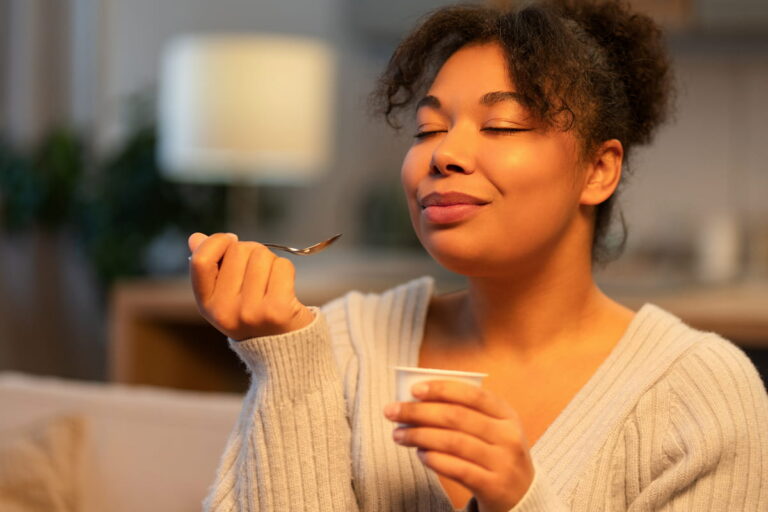
We all get the blues from time to time, sometimes when we don’t even realize why.
But if you’re weighed down by persistent sadness, you know the difference. It’s not just a matter of feeling occasionally ‘off.’ Rather, it’s a severe, disruptive, deep-seated condition that affects both body and mind.
You have low energy, you can’t think clearly, and even the most minor challenges in life can feel insurmountable.
Depression in Black communities is also problematic because of certain stigmas and medical biases. According to research, Black individuals are 20 percent more likely to report serious psychological distress than white adults, yet only one in three ever receives the treatment they need.
The reasons for this are complex, but often include misdiagnoses – like labeling mood symptoms as schizophrenia – as well as historical distrust of medical systems (https://www.nami.org/community-and-culture/black-african-american/).
But it doesn’t have to be this way. If you’re navigating side effects from SSRIs (selective serotonin reuptake inhibitors) or SNRIs (serotonin-norepinephrine reuptake inhibitors), or simply seek non-pharmaceutical options, you’re in luck.
Mother Nature, it turns out, has many of the anti-depressants we need…
There’s a reason we feel better and happier when the days are longer, the sun is shining, and the air is crisp. Vitamin D, often called the “sunshine vitamin,” plays a key role in regulating our moods. The main factor in this is the vitamin’s influence on serotonin, a key chemical in our brains.
When we’re deficient in serotonin, depression risks increase.
Black adults are at even higher risk due to their melanin (skin pigmentation), which reduces the synthesis of vitamin D from sunlight. This is why 10–20 minutes of midday exposure on the arms and face is so crucial.
You can pair this simple daily habit with vitamin D-rich foods like salmon or fortified milk, or even consider D3 supplementation, which usually ranges from 2,000–4,000 IUs daily.
RELATED: Why Is My Depression Worse In The Morning?
Think of these as ‘brain food.’
Omega-3s, particularly eicosapentaenoic acid (EPA) and docosahexaenoic acid (DHA), are actually incredible fuel for your brain. Not only do they reduce inflammation, but they also actively support neurotransmitter function.
Certain EPA-rich formulations are particularly helpful, as they significantly outperform DHA-only supplements for depression symptoms.
Fatty fish like salmon and mackerel twice per week, as well as flaxseeds, fish oil, and krill oil, are all options to consider as well. These fats can modulate your brain chemistry, in a sense, ‘balancing’ you out so you don’t hit those super lows.
Ashwagandha is considered an ‘adaptogen,’ meaning it helps your body adapt to stress, anxiety, fatigue, and other issues that can wear you down.
The reason this ancient herb is so prized is that it directly lowers cortisol levels. It also supports GABA and serotonin pathways, which make you feel happier and more relaxed.
According to some clinical trials, 300–600 mg of root extract daily reduces anxiety and perceived stress scores after eight weeks, helping combat fatigue and improve mood in stressed adults.
The herb is generally well-tolerated, offering a natural way to build resilience without the sedation feeling some antidepressants cause.
Like other natural antidepressants, rhodiola rosea works by addressing mental fatigue and low mood through its impacts on stress hormones and neurotransmitters. In short, it enhances the activity of both dopamine and serotonin.
Evidence from reviews indicates that it also alleviates stress-induced exhaustion, improves focus, and eases mild depressive symptoms. The typical daily dose for this ranges from 200 to 600 mg.
If you’re somebody who struggles with “brain fog,” rhodiola should definitely be an option. Just look for standardized extracts and use them mindfully alongside other lifestyle tweaks.
Used for centuries, St. John’s wort is indicated for mild to moderate depression, even comparable to some prescription antidepressants.
Usually taken in three daily doses of 300 mg each, St. John’s wort is effective when it’s used cautiously. That’s because it does interact with many medications—including SSRIs, birth control, and blood thinners.
So, if you’re considering this therapeutic option, definitely consult your doctor and be aware of your risk factors. Do not try to self-medicate without medical supervision.

We often hear of the benefits of exercise, and truth be told, they can’t be overstated.
Even regular, moderate exercise can do wonders. Why? Because it’s not simply about fitness, it’s about scientifically supported mood lifting. Aerobic exercises like brisk walking, dancing, or yoga work their magic by triggering the release of endorphins, serotonin, and dopamine while simultaneously reducing inflammation.
According to one major literature review, these activities match or exceed some antidepressants in easing depressive symptoms, with dancing being particularly beneficial.
If you’re just starting out, don’t feel overwhelmed. Aim for 20–30 minutes most days, whether it’s a neighborhood walk, some cultural dancing, or just gentle yoga flows (which can be easily learned on YouTube).
The beauty? No gym required. It’s all about consistency, more so than intensity.
Last but certainly not least is your digestive system.
Emerging science has really started to show the link between your gut and your brain, and many people are taking advantage of it like never before. Did you know that a healthy microbiome influences serotonin, which is produced 90% in the gut?
Did you know probiotic-rich foods like yogurt and kefir, plus fiber from beans, greens, and whole grains, support crucial bacteria in your gut that are linked to better mood and sharper cognition?
Believe it. Studies show that daily probiotic yogurt or kefir can boost mood scores, while fiber feeds good microbes for stronger emotional resilience.
In other words, not only do you feel better, but you’re less likely to feel worse when life gets hard – less likely to fall into those deep ruts you’ve been trying to escape.
So, what are you waiting for? All it takes is simple swaps—like adding a serving of kefir or leafy greens daily—to nurture your axis without complication.
These natural boosters work best together, so make sure you link up with a professional, such as a nutritionist, dietitian, naturopathic, or osteopathic physician. In Black communities, where stigma can silence open conversations, sharing these tips and tools can go a long way.
By embracing these accessible remedies, your dark days can finally start to turn the corner and see the light…


By subscribing, you consent to receive emails from BlackDoctor.com. You may unsubscribe at any time. Privacy Policy & Terms of Service.