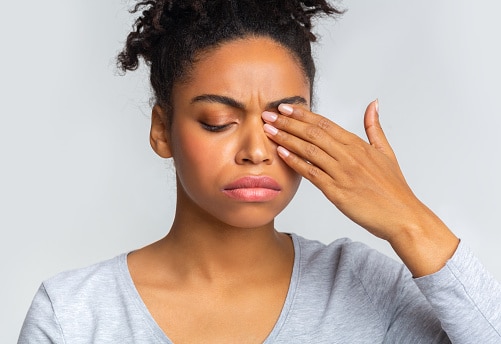
Dry eye season is upon us. Also known as keratoconjunctivitis sicca (KCS), dry eye is defined as itchy eyes — heavy eyelids – or the feeling something is stuck in your eye and affects more than 3.2 million women over the age of 50 in the U.S., a 2003 study published in the American Journal of Ophthalmology says.
Although it sounds odd, your eyes actually make more tears when they are irritated by dry eye.
According to the National Eye Institute, dry eye occurs when your eyes aren’t producing sufficient tears. Containing electrolytes, nutrients, and antibodies, tears protect your eye ducts against infections following injury.
Without the right treatment, people with dry eyes could develop scarring, pain, and even vision loss.
Here are some other causes of dry eye.
Fortunately for those suffering from the persistent pupil problem, there are several things one can do to combat symptoms linked to the following medications:
Antihistamines provide much-needed relief of allergies and cold symptoms, like sneezing, itchy, watery eyes, and a runny nose, by blocking the effect of the chemical histamine. Including over-the-counter brands like Allegra, Claritin, Zyrtec, and Benadryl also reduce the watery tear film that keeps eyes moist.
Nasal Decongestants may be the go-to for easing a backed-up nasal cavity, allowing you to breathe easily. But, much like antihistamines, brand names containing ingredients like phenylephrine, pseudoephedrine and oxymetazoline, decrease tear production. In fact, some over-the-counter products contain both an antihistamine and a decongestant—a double whammy!
Antidepressants, believe it or not, can interrupt messages meant to signal the eyes and release tears after sensing eye dryness.
Hormone replacements like estrogen have a greater likelihood of developing dry eye, says a study involving more than 25,000 post-menopausal women. According to researchers, participants taking the hormone replacement alone, showed a 69% increased risk of dry eye while those taking estrogen plus progesterone had a 29% greater risk of dry eye than women not taking hormones.
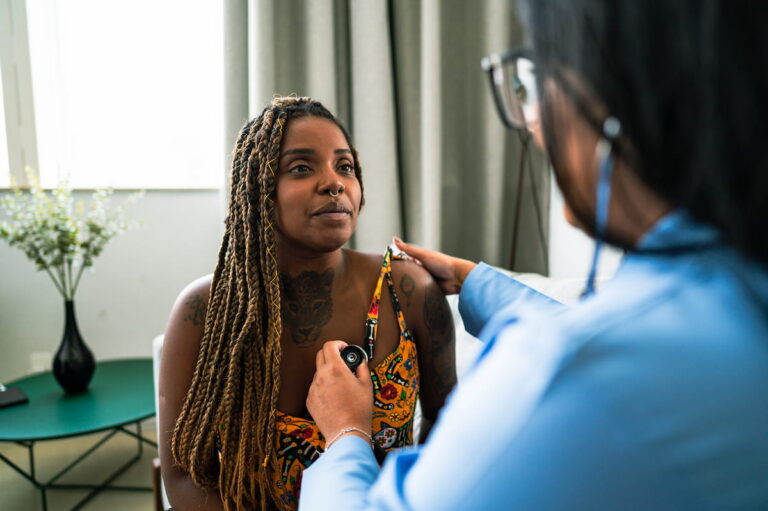
Your ophthalmologist will perform an eye exam where they look at your eyelids and the surface of the eye. They will also check how you blink.
There are many different tests to diagnose dry eyes. Your ophthalmologist may consider a test that measures the quality or thickness of your tears. They may also opt to measure how quickly you produce tears.
RELATED: Natural Ways To Take Care Of Dry Eyes


By subscribing, you consent to receive emails from BlackDoctor.com. You may unsubscribe at any time. Privacy Policy & Terms of Service.