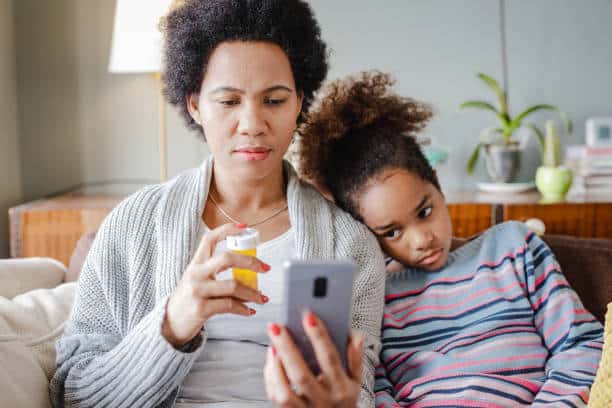
Getting to sleep at night can be challenging and while supplements may seem like an easy fix, they may pose some dangers if your child gets their hands on them or you take too much. Can you overdose on melatonin? Here’s what experts say.
“The kids are home, the parents are home, there’s a lot of anxiety, and we see the mental health consequences of the pandemic,” says Seema Bonney, M.D., founder and medical director of Anti-Aging and Longevity Center of Philadelphia, a board-certified anti-aging and regenerative medicine doctor, and a board-certified emergency medicine doctor. She says in these circumstances, people tend to reach for sleep aids when they’re experiencing difficulty because they’re natural and easy to get. “But it’s not good to take at high levels routinely,” she warns.
New research shows that kids have been overdosing at an alarming rate over the past 10 years.
A new report published by the Centers for Disease Control and Prevention (CDC) found the number of children taking too much melatonin increased by 530% in the last decade.
The study focused on children under the age of 19 from January 1, 2012, through December 31, 2021, and found 260,435 pediatric melatonin ingestions that were reported to the American Association of Poison Control Centers National Poison Data System.
If having your children at home more during the pandemic created more challenges for you, you’re not alone. Research shows that the largest increase (a 38% jump) came in the first year of the pandemic when kids were participating in virtual learning.
More than 50,000 calls were placed to poison control centers in the United States about melatonin ingestion by kids in 2020 alone, the study found.
These overdoses accounted for 2.25% of all pediatric ingestions reported during this period.
“Most were unintentional exposure, meaning the parent did not give the child melatonin,” says ABC News chief medical correspondent Dr. Jennifer Ashton, also a board-certified OBGYN. “So the implication is the child got into it themselves.”
These accidental overdoses have led to a rise in hospitalizations. Five of the children required medical ventilation and two died.
Researchers determined that majority of the ingestions were unintentional (94.3%), were mostly males under the age of five years old, and 99% occurred at home.
RELATED: Insomnia? Here’s 6 Essential Oils to Help You Sleep Through The Night
Melatonin is a chemical (hormone) that is made in our brains in response to darkness to help signal us to sleep, according to Kevin C. Osterhoudt, M.D., M.S., executive committee member of the American Academy of Pediatrics council on injury, violence, and poison prevention. It’s used to get better sleep or combat jet lag. Melatonin is a cost-effective, over-the-counter way to treat sleep issues and comes in many varieties including gummy and chewable forms, which kids often mistake for candy.
Are there symptoms of an overdose you should look out for?
The majority of reported cases of melatonin overdose were asymptomatic (82.8%), according to the report. However, many children do experience dangerous adverse reactions to taking too much melatonin including impacts on the cardiovascular, gastrointestinal, and central nervous systems.
The symptoms of melatonin overdose include:
If you suspect your child has overdosed on melatonin, Dr. Bonney suggests contacting poison control to talk to a toxicologist. You can also bring your child directly to the emergency room if you’re seeing symptoms.
The phone number to reach a poison control center is 800-222-1222.
Getting a fussy child to sleep can be challenging and you may be tempted to give them melatonin to sleep through the night, but how safe is it?
There isn’t a ton of research about the use of melatonin in children. However, Dr. Bonney doesn’t recommend giving your children melatonin despite some reports saying it is safe in small doses.
“It can interfere with hormones. It’s not good for kids in general,” she says. “We should be focused on sleep hygiene.” If you’re having trouble getting your child to sleep, try keeping the room dark and cool at night, creating a soothing bedtime routine, and avoiding screens before bed.
The best way to protect your child is to have an open conversation with them about medication. Let them know that it is not candy and should only be taken if given by a trusted adult.
You should always keep your medications and supplements in a lock box or cabinet that is out of your child’s reach and make sure the bottles are securely closed.
Have old medication that isn’t in use anymore? Learn more about properly disposing of it here.
For more tips on keeping medication safely away from kids, click here.


By subscribing, you consent to receive emails from BlackDoctor.com. You may unsubscribe at any time. Privacy Policy & Terms of Service.