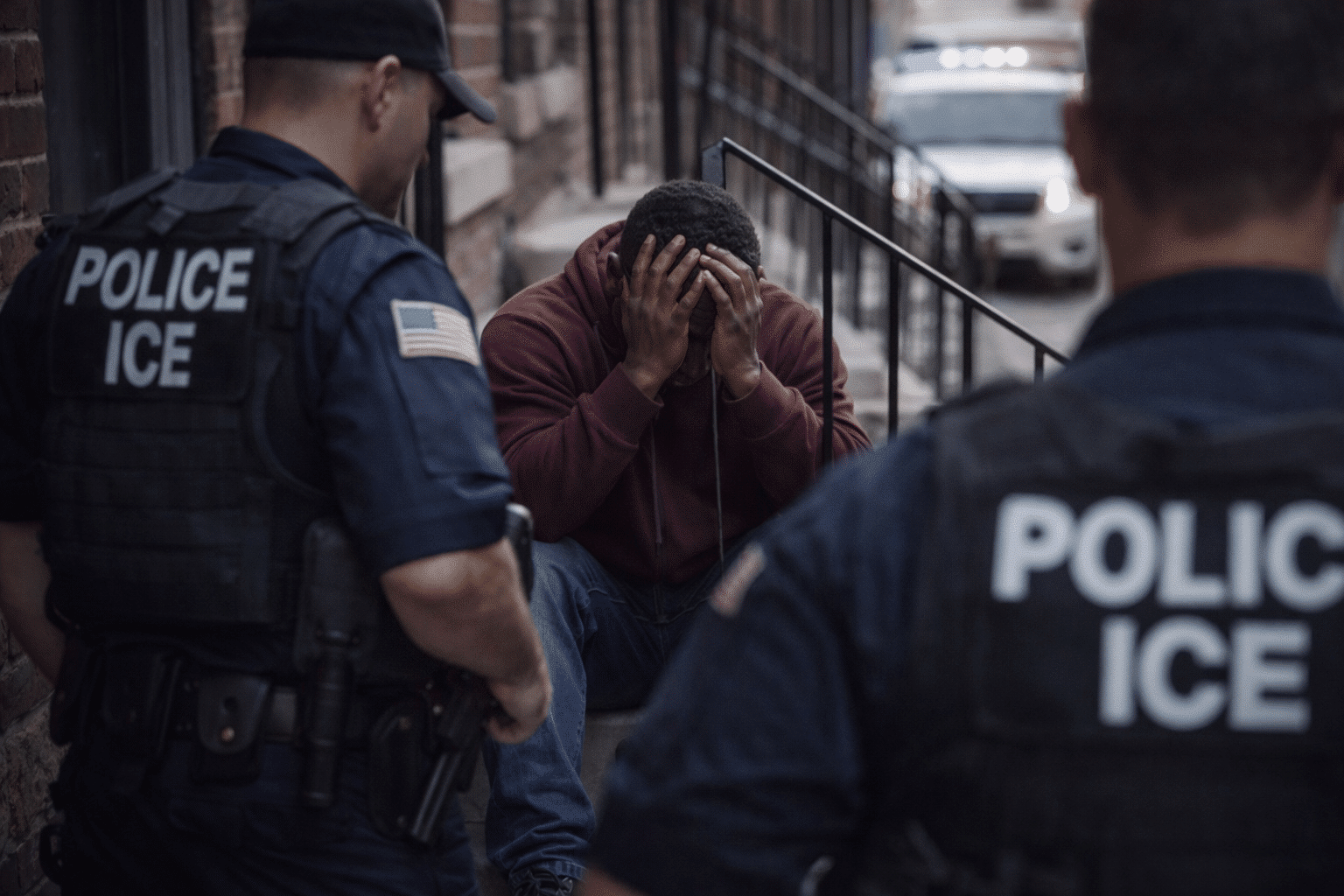
There is a growing understanding that trauma doesn’t stop at the body of the person directly targeted. When federal enforcement operations escalate into violence, fear ripples outward — affecting entire communities, including Black, immigrant, mixed-status, and U.S.-born neighbors alike. The recent aggressive operations by federal agents in Minneapolis and across the United States have exposed a profound truth: the psychological wounds of violence and systemic threat extend far beyond immediate victims and can shape physical and mental health in lasting ways.
In January 2026, federal immigration enforcement activity surged in Minneapolis and other cities, resulting in multiple fatal shootings by agents, including the killing of U.S. citizen Renée Good and Alex Pretti during heightened operations. These events have sparked national debate, widespread protests, and deep distress in communities of all backgrounds, not only in immigrant families.
Witnessing violence — whether in person or through repeated news coverage — can have measurable effects on mental health. Experts note that exposure to images of extreme violence raises symptoms of anxiety and depression, particularly when individuals feel unsafe in their own neighborhoods or believe that such violence could happen again.
RELATED: Study Shows Link Between Police Brutality and Heart Health In Black Women
It is a misconception that only people who are directly detained or shot suffer psychological harm. Research shows that knowing someone detained or deported, or even living in communities subject to enforcement sweeps and militarized policing, is associated with higher rates of:
This holds true not only for immigrants but also for U.S. citizens and their families.
For example, research into immigration detention and deportation policy effects finds that U.S. citizens who personally know someone detained or deported are significantly more likely to report anxiety, depression, and elevated psychological distress compared with those who do not.
And while much immigration mental health research has focused on the experiences of Latinx communities, the emotional toll of fear, stigma, and threat extends into Black, Asian, and other communities of color when immigration enforcement is framed in racialized or aggressive terms.

Children are particularly susceptible to the psychological injury of enforcement trauma — even if they are not immigrants themselves. Studies show that:
Exposure to these events can disrupt sleep, school performance, and social development, contributing to lasting emotional and physical effects.
RELATED: Is Stress Worse for Older Adults? Here’s What You Need to Know
Stress — especially chronic and unpredictable stress — doesn’t remain solely psychological. The body reacts.
When people experience:
…the brain and body trigger a biological stress response that releases cortisol and adrenaline chronically.
Chronic activation of the stress response is linked to:
This means that enforcement violence — even when not directed at an individual — can shape heart, brain, and immune health as deeply as other forms of trauma.
Common health guidance often suggests that individuals “manage their stress.” But in the context of federal enforcement, that advice ignores the reality that the threat is external, unpredictable, and systemic.
Racism and xenophobia are structural forces that shape how individuals experience safety — or fear. A climate in which federal agents patrol neighborhoods, enter homes, or use aggressive crowd control tactics (such as tear gas) creates ambient trauma that cannot simply be self-managed:
In these contexts, the stressor is not an individual burden to manage alone; it is a community-wide exposure demanding societal response.
The trauma from federal enforcement is not isolated. Entire neighborhoods feel the impact:
These are not isolated emotional reactions; they are community stress signatures that undermine well-being, stability, and trust.

Despite the severity of these impacts, communities are also crafting ways to heal. Research points to the power of collective resilience and supportive networks in buffering psychological harm.
Organizations across cities are offering:
Community-based support recognizes that healing must be collective, not individual.
Healing circles, faith-based gatherings, and culturally grounded mental health practices help people process fear and grief in shared spaces.
For many, participating in protests, advocacy campaigns, and public education is itself therapeutic — transforming fear into collective agency. Advocacy counters powerlessness and links personal pain with structural critique.
Community organizers are pushing for:
Mental health outcomes improve when structural factors are addressed, not just discussed.
This moment of heightened enforcement in Minneapolis and beyond has underscored what emerging research has long shown: federal violence and enforcement trauma do not stop at those immediately targeted. The psychological, physiological, and community impacts extend into:
Trauma becomes a public health issue when it disrupts social cohesion, undermines trust, and creates chronic stress conditions in wide networks of people.
Trauma is not a personal failing. When systems wield violence, the body and nervous system respond — whether the trauma is visible, directly inflicted, or community-wide.
To address the crisis of mental health following ICE violence and enforcement operations, we need:
Only by facing the emotional impact with seriousness and compassion can we begin to repair the wounds that extend far beyond those in the headlines.


By subscribing, you consent to receive emails from BlackDoctor.com. You may unsubscribe at any time. Privacy Policy & Terms of Service.