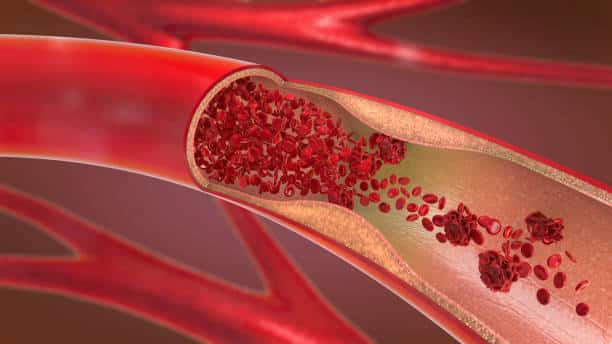
People with what’s known as the “metabolic syndrome” are vulnerable to recurring blood clots, new research shows. Metabolic syndrome is highly prevalent in Blacks, especially Black women.
Metabolic syndrome is a collection of conditions, including obesity, high blood sugar, high cholesterol and high blood pressure.
These factors put people at risk for diabetes, heart disease and a type of blood clot known as deep vein thrombosis (DVT), researchers say.
For the study, the researchers collected data on more than 151,000 patients diagnosed with DVT between 2004 and 2017.
The findings showed that 68% of those with DVT were also diagnosed with at least one of the components of metabolic syndrome.
Those who had a DVT, but none of the four components of the metabolic syndrome, had a DVT recurrence rate of 7%, the researchers said in a news release from the American Society of Hematology.
DVT patients with one component of metabolic syndrome had a 14% risk of additional blood clots, and those with two components had a 21% risk. For those with three components, that risk was 30%, and for those with all four components, the risk rose to 37%.
RELATED: 9 Signs You May Have A Leg Blood Clot
The researchers did find that for those taking a blood thinner after suffering a DVT, the risk of recurrence disappeared.
This suggests that metabolic syndrome may have an even greater effect on the risk of clots than seen, and the effect may have been masked due to anticoagulant therapy. Anticoagulant drugs include warfarin (Coumadin), rivaroxaban (Xarelto) and apixaban (Eliquis).
“Having one or more of these conditions of obesity, hyperlipidemia [high cholesterol], hypertension [high blood pressure] or diabetes creates a worse outcome for patients with blood clots.
But the good news is, all four of these conditions can be treated and modified,” researcher Dr. Lauren Stewart, from Indiana University School of Medicine’s department of emergency medicine, said in the news release.
RELATED: 7 Lifestyle Changes That Can Prevent DVT
Staying committed to a healthy lifestyle may prevent the conditions that cause metabolic syndrome.
A healthy lifestyle includes:
Although most of the disorders associated with metabolic syndrome don’t have obvious signs or symptoms, a visibly large waist circumference, high blood sugar and signs and symptoms of diabetes — such as increased thirst and urination, fatigue, and blurred vision are all warning signs to watch out for.
If you know you have at least one component of metabolic syndrome, ask your doctor whether testing for other components of the syndrome is needed.


By subscribing, you consent to receive emails from BlackDoctor.com. You may unsubscribe at any time. Privacy Policy & Terms of Service.