
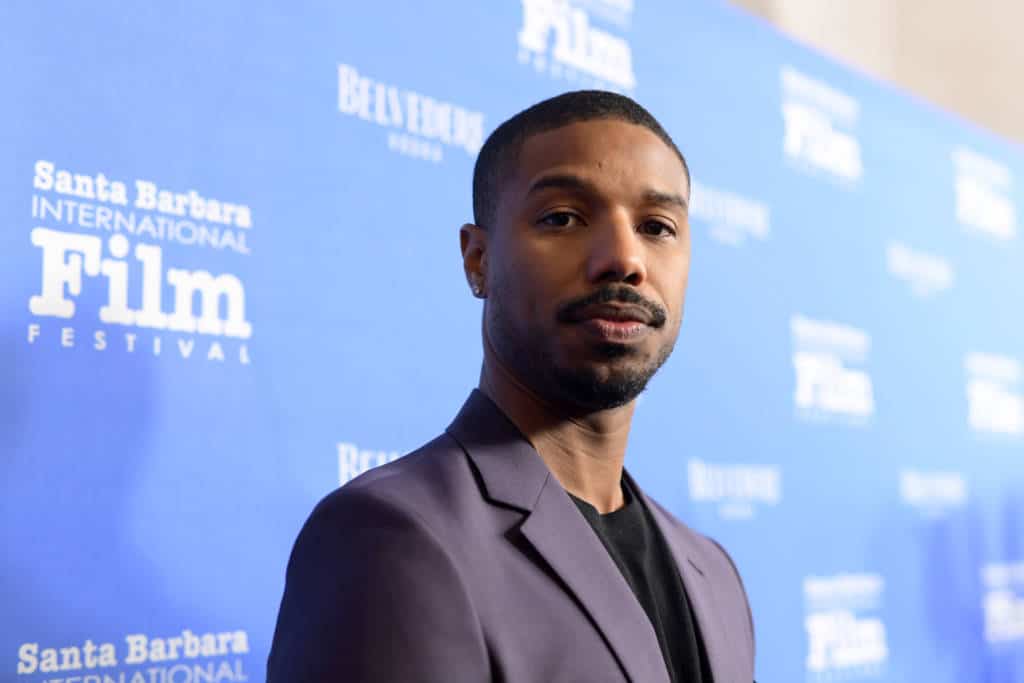
 (Photo by Emma McIntyre/Getty Images for SBIFF)
Blockbuster film, Black Panther, was easily one of the best and highest grossing films in 2018. It’s characters resonated with people all over, it catapulted its stars into a new dimension and even had people wanting to go to the fictional place called Wakanda.
But who knew that making such an important film would have a negative effect on one of its stars, Michael B. Jordan. The 32-year-old played vengeful Kilmonger, but in playing that role it took a blow to his mental health.
“I was by myself, isolating myself,” Jordan told Oprah Winfrey during a Tuesday taping of her SuperSoul Conversations TV special. Winfrey had asked what he had to do to “get all that nastiness” that embodied in Killmonger.
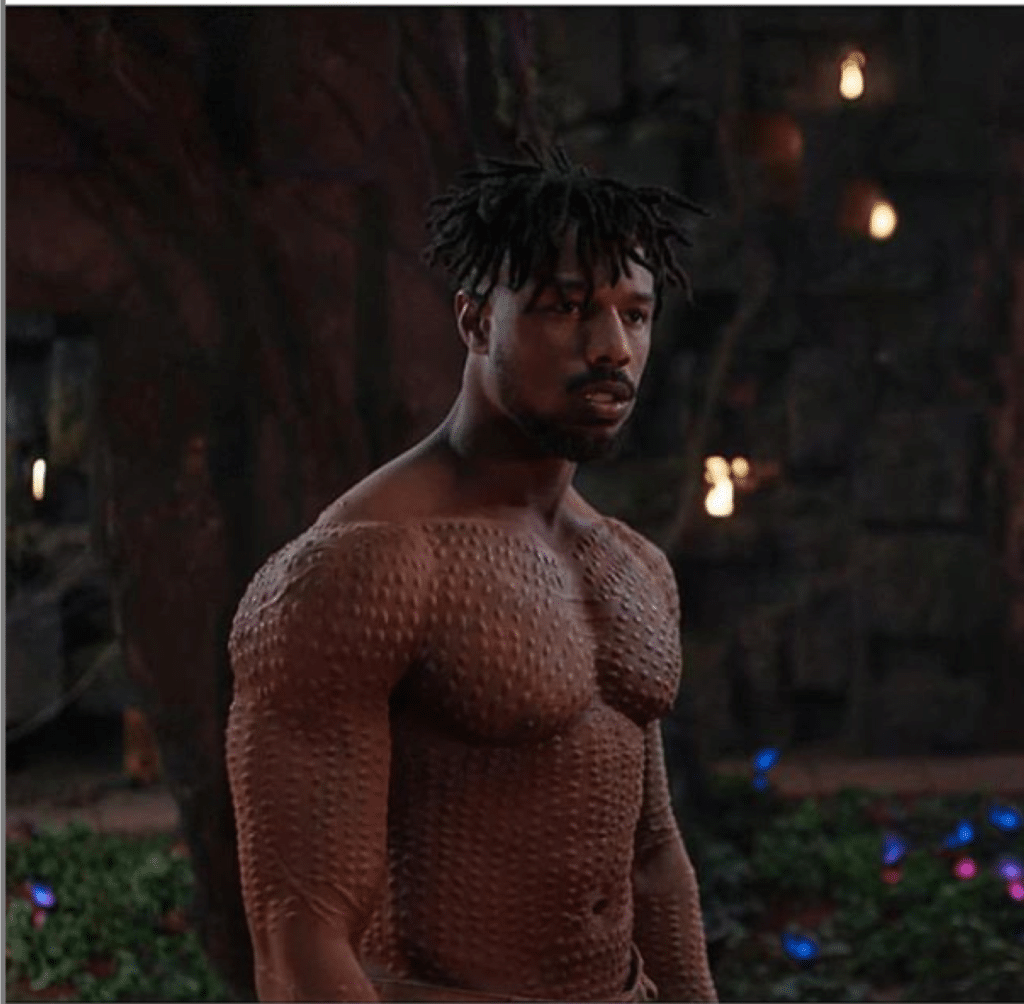 (Photo credit: Instagram)
“I spent a lot of time alone,” Jordan said. “I figured Erik [Killmonger], his childhood growing up was pretty lonely. He didn’t have a lot of people he could talk to about this place called Wakanda that didn’t exist.”
He dove headfirst into the psychology of his character, something that’s common enough among actors, but it seemed to have rubbed off.
“Of course it’s an extreme, exaggerated version of the African diaspora from the African-American perspective, so to be able to take that kind of pain and rage and all those emotions that Erik kind of represents from being black and brown here in America… That was something I didn’t take lightly,” Jordan said.
“I didn’t have a process,” Jordan said of his getting into character. “I just did whatever I felt I needed to do or whatever I felt was right in the moment every step of the way.”
But at the end of each scene, “I didn’t have an escape plan, either,” the Creed actor added. “When it was all over, I think just being in that kind of mind state… It caught up with me.”
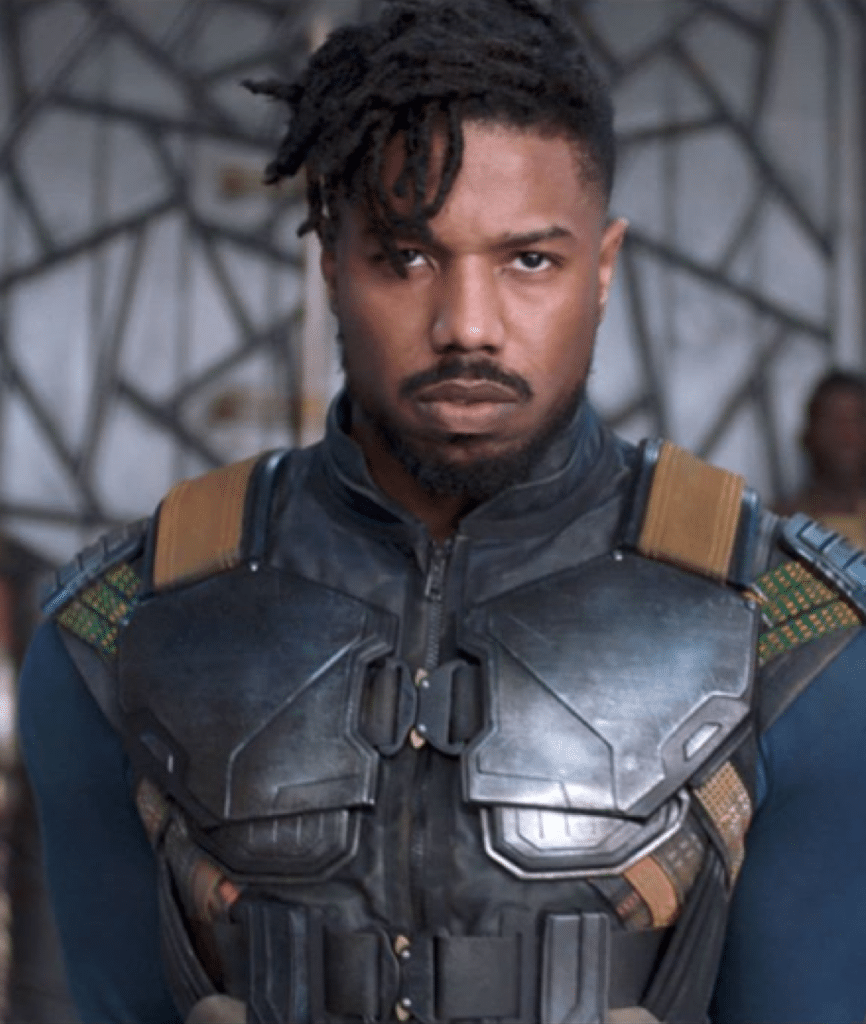 (Photo credit: Instagram)
Seeing a therapist to work through his feelings at the time “helped me out a lot,” Jordan said. Ultimately it was all about getting back to being himself. “Readjusting to people caring about me, getting that love that I shut out… I shut out love, I didn’t want love. I wanted to be in this lonely place as long as I could.”
And concerning the stigma around people, Black people in general, seeking professional help? Jordan is an advocate for anyone to talk. “As a man you get a lot of slack for it,” he told Winfrey. “I don’t really subscribe to that. Everyone needs to unpack and talk.”
In the black community, there has been this negative stigma surrounding mental health. Instead of seeking professional help for conditions such as depression and anxiety, many in the community resort to…
…self-medication (drugs, opioids, alcohol, etc.) or isolation in an attempt to solve their problems on their own. This issue of masking pain is especially prevalent amongst black men.
As we move forward, we want our men to be healthy. That means it’s important for us to take a step back and honor the mental and emotional health of men, and invest in spaces that help unpack the influence of toxic masculinity that permeates through our society today.
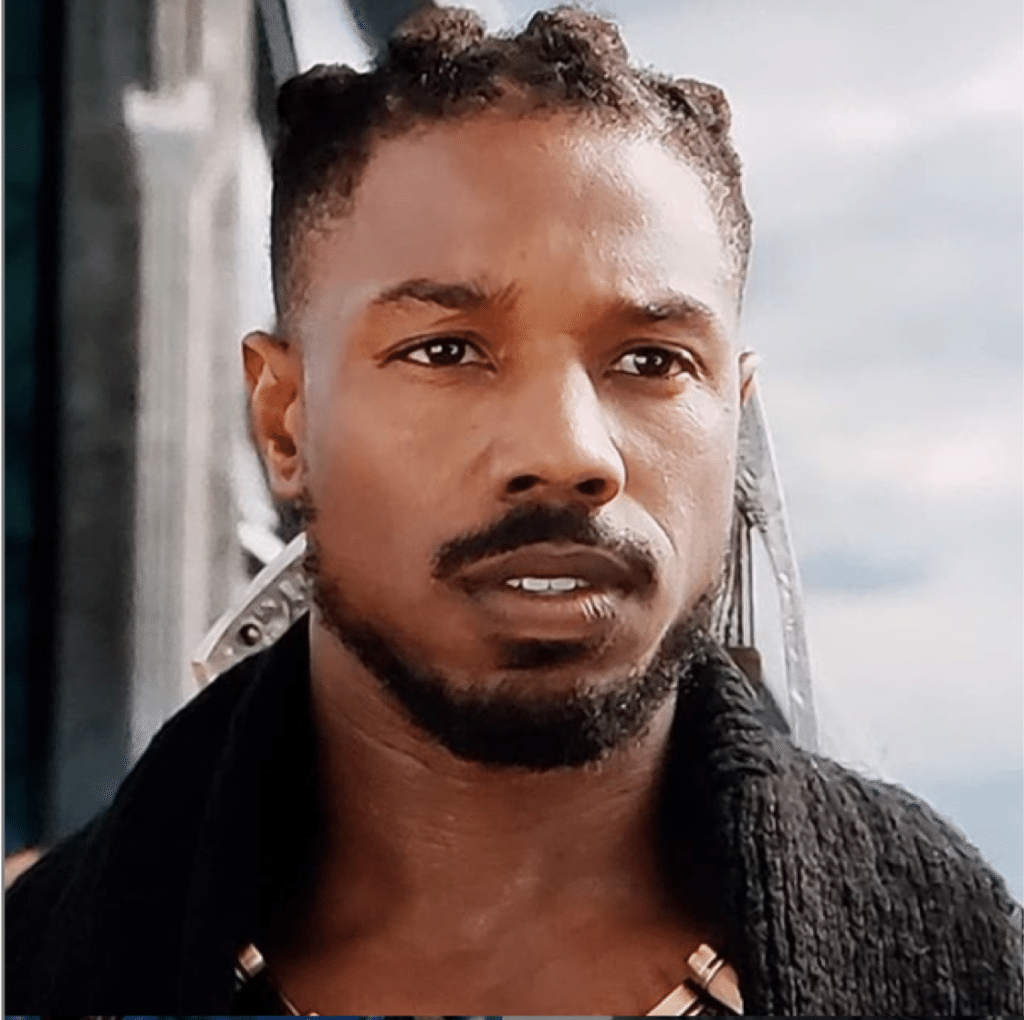 (Photo credit: Instagram)
It doesn’t make a man weak to acknowledge the fears he has about providing for his family, or the anxieties he has about existing in a world in which Black bodies are devalued. It means we can work through these fears and worries by talking with other men, whether they are friends, fathers, siblings, therapists, or soon to be new friends in group therapy or other supportive spaces. These are spaces where we can heal.


By subscribing, you consent to receive emails from BlackDoctor.com. You may unsubscribe at any time. Privacy Policy & Terms of Service.














