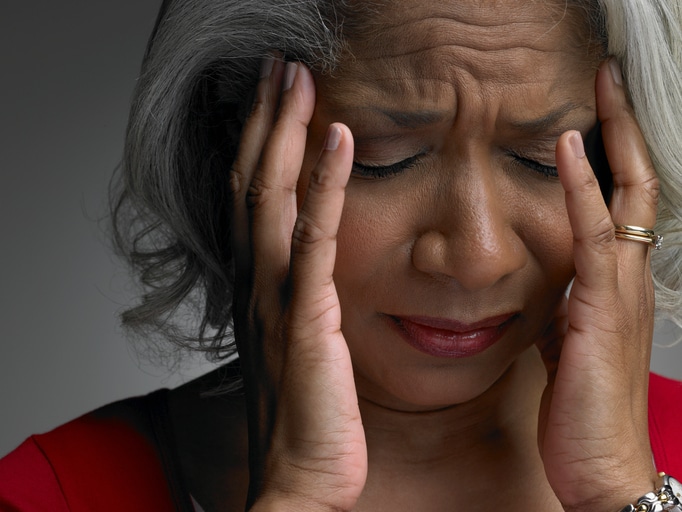
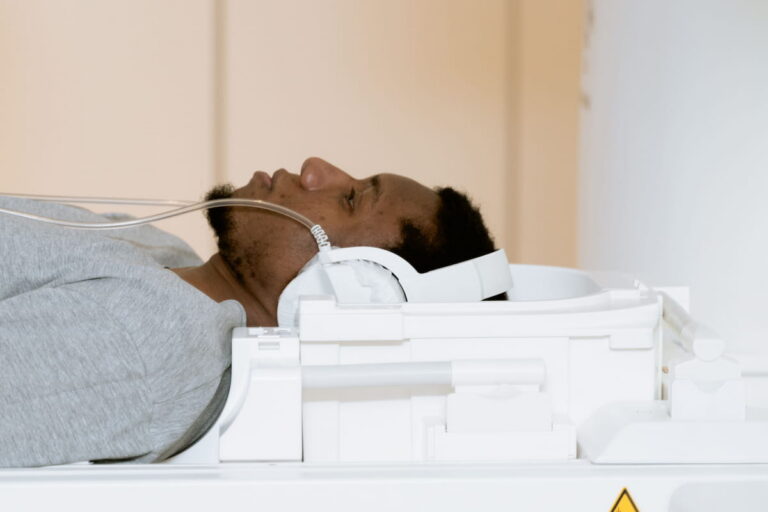
Despite much exploration, the relationship between migraine and stroke is still unfolding, researchers say.
According to the CDC, migraines or severe headaches, characterized by painful, disabling, and recurring symptoms affect more than 37 million people in the U.S. alone.
Other studies suggest that 13 percent of adults have migraines, with 2-3 million migraine suffers experiencing chronic symptoms.
To put it into perspective, about 5 million persons across the nation face at least one migraine attack per month, with more than 11 million blaming symptoms for the onset of moderate to severe disability, reports migraine.com.
Among those sufferers, people between the ages of 35 and 55, in addition to low income groups make up the majority.
As for those at most risk, per a recent study spearheaded by researcher Dr. Tobias Kurth, director of the Institute of Public Health at Charite-Universitatsmedizin in Berlin, Germany, “Migraine should be considered a marker for increased risk of cardiovascular disease, at least in women.”
So what are the most common symptoms reported by sufferers?
- Throbbing, pulsating pain
- Light sensitivity
- Sound sensitivity
- Nausea
- Vision changes, blurred vision
- Vomiting
How are these symptoms linked to a potential risk for stroke?…
- Migraine causes of stroke (migrainous infarction)—stroke occurs during the migraine attack
- Stroke occurs more frequently in persons who have or have had migraine, but not during an attack.
- Migraines mimic stroke and stroke can mimic a migraine.
- Ischemia or hemorrhage can trigger a migraine-like, or aura-like event.
- Migraine and stroke share a common cause — such as cardiac shunt – better known as patent foramen ovale (PFO) — or an abnormality of blood vessels, due to a genetic condition called CADASIL (Cerebral Autosomal-Dominant Arteriopathy with Subcortical Infarcts and Leukoencephalopathy) a form of hereditary stroke disorder.
- Migraine is associated with silent stroke.
Tips for lowering risk of stroke and heart disease:
- Maintain a healthy diet, drink plenty of water, exercise regularly and get at least 8 hours/night.
- Don’t smoke cigarettes.
- Be evaluated and treated for conditions known to cause stroke and/or heart disease such as high blood pressure, high cholesterol and diabetes.
- Ask your doctor whether meds, which in addition to decreasing inflammation and clotting, are right for you.
- Avoid the use of contraceptives containing estrogen — especially if you smoke or have a personal or family history of blood clots.