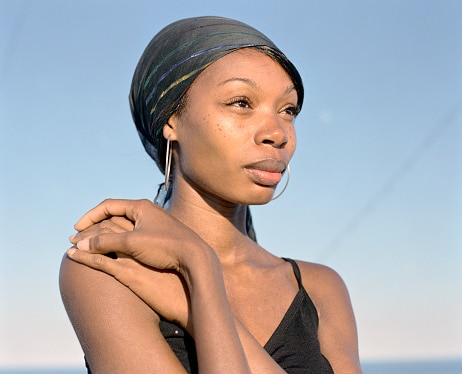
While both moles and freckles are common occurrences in the skin that may be similar in appearance, knowing the difference could save your life. Here are some similarities, differences and signs that you should be aware of.
Moles and freckles are dark spots on the skin caused by highly pigmented skin cells. Freckles are small areas of skin—usually pale brown—brought on by excessive sun exposure. They are often genetic and form due to an excessive production of melanin.
Moles are typically brown or black and are indirectly associated with exposure to the sun. They form when cells in the skin develop in a cluster formation, instead of being spread throughout the skin. While freckles come and go, moles are long-lasting and need to be monitored.
Here are some common characteristics of moles:
The easiest way to know if you have a mole or freckle is to touch the area. Moles are growths on the skin that are often raised from the skin’s surface, while freckles are usually flat.
The severity of moles and freckles on the skin all come down to malignant transformation—the process by which cells can become cancerous. Freckles do not have the potential for malignant transformation and are not a health threat.
On the other hand, moles may have some potential for…
malignant transformation and can become cancerous. This is a rare occurrence, but if your mole(s) changes in color, height or size, you should pay attention. Be sure to have your mole evaluated immediately if it starts to itch, bleed, ooze or become painful.
An irregular shaped mole could be melanoma—a type of skin cancer that can be cured if detected early. Use these ABCs of melanoma to be on the lookout for symptoms and signs that you should discuss with your doctor:
Asymmetry – The mole does not have an even shape
Border: The edges are irregular, notched or ragged
Color: The mole has uneven shades of black, brown, tan, blue, red or white
Diameter: The diameter is larger than a pencil eraser
Evolution: The spot is changing in shape, size, color or texture.
Although skin cancers are less prevalent in Black patients, the prognosis can be worse and is usually diagnosed at a later stage. There’s not much public awareness among individuals of color, and many are unlikely to undergo a full-body skin exam because of the rarity of skin cancers in certain populations. That’s why it’s important to…

understand the early signs of skin cancer, and be willing to discuss new or unusual skin growths with your doctor. The only way to be certain if a mole is dangerous is to have it examined by a doctor.


By subscribing, you consent to receive emails from BlackDoctor.com. You may unsubscribe at any time. Privacy Policy & Terms of Service.