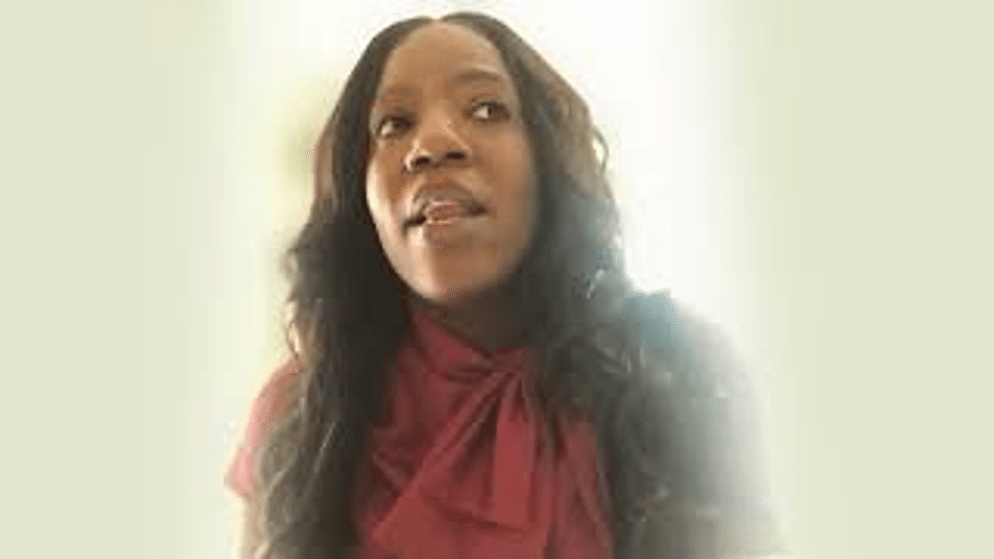
Back in 2020, Sherese Powers, a 32-year-old mom of two from South Carolina, was told that the constant pain she experienced came from anxiety. It turned out to have a much more serious cause.
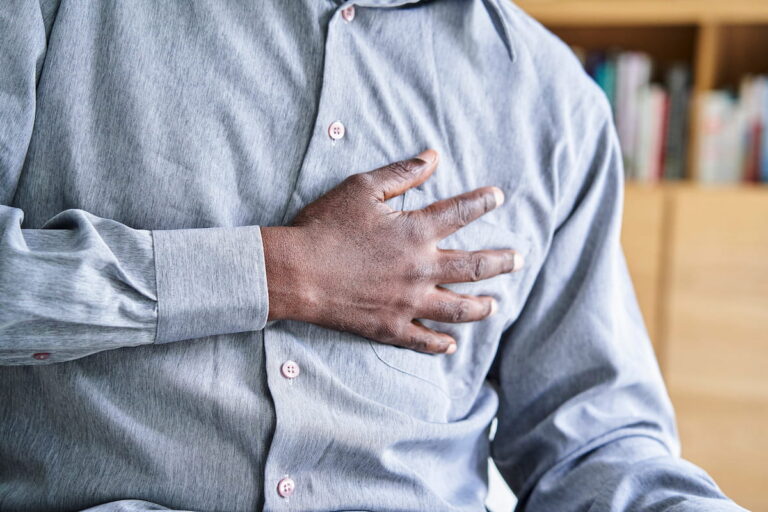
Powers began suffering from really bad chest pains which felt like a “terrible heartburn.” In an interview with Essence, she explained “when they would come, they would last for about an hour or so, and they were excruciating pain.” But since Powers had an eleven-year-long career in the medical field, she knew that the chest pains couldn’t be a sign of a heart attack. Still, she recalls that she “just knew that something wasn’t right.”
Powers explained the chest pain to her doctor, and although she had lab tests conducted, her results, surprisingly, came back normal. This led her doctor to simplify her chest pains to “anxiety attacks stemming from the stress of being a single parent working and in nursing school full-time.”
Though this explanation briefly calmed her, soon after Powers began also having bladder issues where she noticed that her bladder would be “abnormally full.” After visiting a urologist, they still couldn’t target the reason behind the issue, and Powers continued taking Tylenol and Aspirin to manage her chest pain.
Finally, one morning Powers would get dropped off at a hospital to take a COVID test for work.
She recalls, “I don’t remember being dropped off. Apparently, by the time I got to the emergency room, I had already completed the cycle of having a massive heart attack.” Two and a half months later, Powers would wake up from a medically induced coma.
Not all people who have heart attacks have the same symptoms or have the same severity of symptoms like Powers had. Some people have mild pain; others have more severe pain. Some people have no symptoms. For others, the first sign may be sudden cardiac arrest. However, the more signs and symptoms you have, the greater the chance you’re having a heart attack.
Common heart attack signs and symptoms include:
Reflecting on this terrible health scare has led Powers to conclude that, “there were steps that could have been taken to prevent this. I could have had something less severe than this but no one listened to me. I went to an emergency room, I’ve been to my primary doctor, I’ve been to a urologist, I’ve been to cardiologist and no one wanted to listen to me. And this is what happened. I could have died.”
I don’t recall anything about my time in the emergency room. But later I found out that they were going to discharge me with a diagnosis of an anxiety attack. Then someone—I’m not sure who—walked by my bed, saw how I looked, and told doctors that they didn’t think I was having an anxiety attack. I was sent to the catheterization lab, where they did tests on my heart and discovered that I’d had a massive heart attack, and the left side of my heart was in heart failure.
I had a blockage in my left ventricle. My ejection fraction, which is a measurement that tells how much blood the heart pumps, was less than 15%—severely below the heart’s normal pumping ability range of 55% to 70%.
To get my pumping ability up, they implanted a left-ventricular assist device, or an LVAD, during my open-heart surgery. The device helps my heart pump blood to the rest of my body. I still have it, and I carry the pump’s control unit and battery in a backpack that I now wear every day.
After my surgery, I didn’t regain consciousness until the middle of May. When I woke up, one of the first things I looked for was my computer so I could log on for nursing school. I hadn’t yet known what had happened to me; I didn’t realize I’d missed out on the last two months of nursing school. Then I heard one nurse tell another nurse that the 30-year-old woman in the bed came in with chest pains and had a massive heart attack. I still had a tube down my throat, so I couldn’t talk to ask her what she meant—She can’t be talking about me, I thought.
But it was me. Doctors explained what had happened, and I realized I had missed out on the past few weeks of life, including seeing my kids. Because of the pandemic, my children weren’t allowed in the hospital, and I could only FaceTime them as I was recuperating.
The first time my kids and I video chatted, I had a tube down my throat and a feeding tube in my nose. Whenever they’d say something, I couldn’t respond; I was just quiet. At the time, my son was five and my daughter was nine; they didn’t know what was going on. I couldn’t wait to be able to see them.
Powers shares her journey back to health in her own words (from Health.com):
“My recovery wasn’t easy. The heart failure cut
back the normal blood flow to my kidneys, so my kidneys began shutting down. To get my kidneys functioning, I was put on dialysis, a treatment that helps remove and prevent a buildup of waste, salt, and extra water. I was on dialysis for two or three weeks, and the process was taxing, lasting from morning until the afternoon.”
“I had to complete physical and occupational therapy, learning how to walk and dress myself. Doctors said the therapy would take at least 10 to 14 days, but I pushed myself to finish in six—I needed to be with my kids. When that was done and I got home, I had to start cardiac rehabilitation to get my heart strength back up. Once I had enough strength, I went back to nursing school after taking a medical leave. I finished up and graduated in July 2021. Since September, I’ve been working as a licensed practical nurse.”
“It’s been nearly two years since my heart attack and heart failure, and I do everything I can to enjoy life to the fullest, from going to work to playing with the kids. I wake up every morning thankful for a second chance. Along with help from my LVAD, I manage my diet and regularly see my cardiologist to make sure my heart is healthy. I have no more pain.”
“Still, I know I shouldn’t have reached this point. When something is wrong, you want people to listen. I’m hurt that I wasn’t believed, written off as having anxiety. If I would’ve been listened to, maybe my heart issues could have been caught sooner, and I would have avoided this altogether.”


By subscribing, you consent to receive emails from BlackDoctor.com. You may unsubscribe at any time. Privacy Policy & Terms of Service.