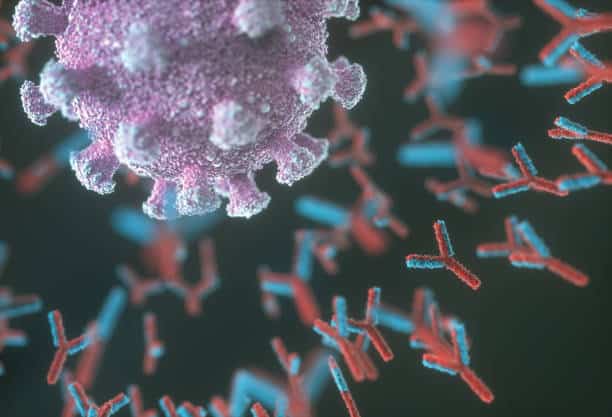
The last three years have seen incredible scientific advances in the fight against COVID-19. For the last three years, we’ve been in a global pandemic and vaccines and other measures have played an important role in reducing severe outcomes if a person contracts COVID. Vaccines have been especially important for those that are immunocompromised, but they aren’t the only method of protection. What are monoclonal antibodies? How do they differ from vaccines? And how can they protect you?
Antibodies are Y-shaped molecules that our bodies produce naturally. These molecules play an important role in fighting infections like COVID-19 by recognizing, binding to, and neutralizing specific viruses and other pathogens.
Monoclonal antibodies, on the other hand, are produced in a laboratory to mimic or enhance the immune system’s response. They imitate the body’s normal infection-fighting abilities.
Monoclonal antibody therapy is an important tool to protect against COVID-19, and is currently being evaluated for the prevention and treatment of COVID-19 in clinical trials.
But do you know how they differ from vaccines? Here’s what you need to know.
RELATED: What the End of the COVID Emergency Means For the Immunocompromised
In most cases, monoclonal antibodies as intravenous (IV) solution. This means they are injected right into your vein (sometimes referred to as an infusion). They’re often done in an infusion center where there are several people getting treatment at one time.
Monoclonal antibodies are used for diagnosis, disease treatment and research. They’re used:
According to the Cleveland Clinic, monoclonal antibodies can be:
Monoclonal antibodies have been used to make drugs that have been more successful at treating certain diseases, such as some cancers. They are also more precise than other treatments, which helps improves the effectiveness and can reduce side effects.
If you’re getting treatment for the first time, it is wise to bring someone. He or she can help you learn about the procedure and what to expect. During your first treatment, healthcare providers will look for any type of serious allergic reaction.
Your healthcare provider may decide to prescribe a monoclonal antibody that’s given subcutaneously (injected under the skin). In this case, he or she will teach you how to give yourself a shot, often in your abdomen or upper thigh.
Not sure if monoclonal antibodies are right for you? Talk with your healthcare provider. He or she can help you decide if you’ll benefit from this type of therapy.
For more information on monoclonal antibodies, visit Up the Antibodies.


By subscribing, you consent to receive emails from BlackDoctor.com. You may unsubscribe at any time. Privacy Policy & Terms of Service.