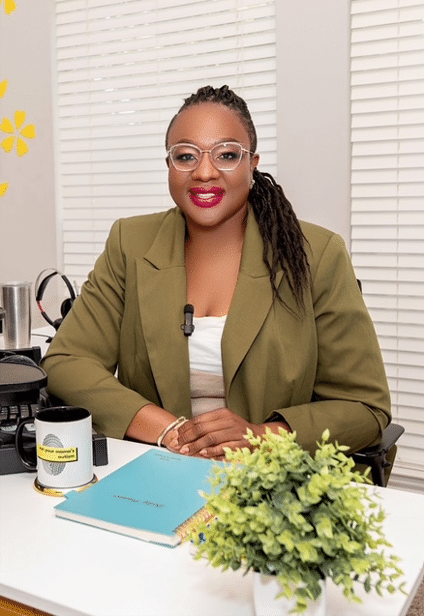
For many families, a trip to the dentist is a routine part of maintaining health. But for individuals with sensory sensitivities, the experience can be overwhelming—even traumatic. That’s something Lola, a second-generation immigrant, a disability attorney, advocate, and the proud mother of two children with autism spectrum disorder (ASD), understands very well.
Lola’s journey to advocacy began with her brother’s traumatic experience with his dental care– an experience that ultimately inspired Lola to help her children get the care they need and deserve.
“I pretty much had a front-row seat to this over more than one generation. The first as a sibling, and then as a parent. So when I was growing up with my brother, it became clear that he had some differences. It’s just that we didn’t know they were called sensory sensitivities or sensory challenges, and at the time, the medical community didn’t have the level of awareness that we have now,” Lola tells BlackDoctor.org.
Lola observed her non-verbal brother experience intense fear from everyday situations, like the sound of a blender or a visit to the dentist.
“As a result, because we did not have consistent care, he’s lost teeth and the quality of his oral health because of how it started,” Lola adds.
Drawing from this experience, Lola knew she had to do things differently when she became a parent to children with autism.
“Because of those early social stories and because of what I went through with my brother, I knew that we had to get him used to going to the dentist before he was physically anxious,” Lola shares about her now-teenage son.
To do this, she began implementing strategies like visual social stories and behavior therapy to prepare her children for dental visits.
“My oldest one…he’s a pro. He knows what to expect, he goes into the dentist, he has the self-regulated mechanisms needed if he feels a little bit anxious,” Lola notes.
Lola’s daughter, who is also minimally verbal with an intellectual disability, requires sedation during dental visits.
“That would allow her to get the full service of this experience without having profound worry because she is not able to self-regulate the way her brother is,” Lola says.
RELATED: 6 Ways To Protect Your Child’s Oral Health
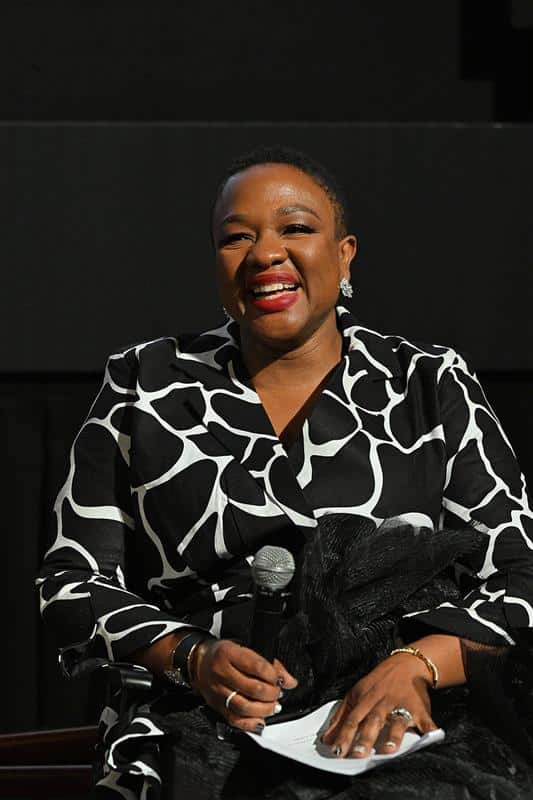
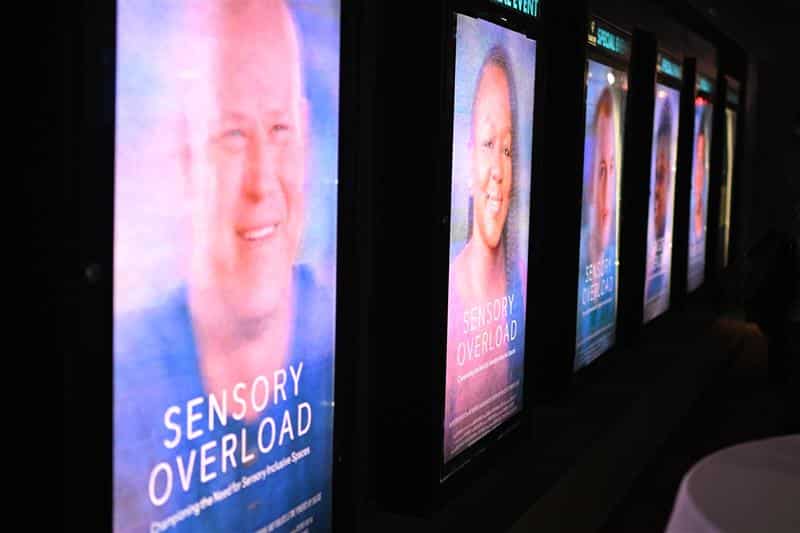
Lola’s story is also featured in the film “Sensory Overload”, which premiered in New York and highlights the need for sensory-inclusive healthcare.
“When we saw the film at the premiere…I turned to the director, Kiana Moore, and I was tearful because this is a story of multiple communities in a way that shows people as simply human beings who need care in a way that might be slightly different from what we’re used to, but it is completely possible and doable,” Lola shares. “But what I love about the documentary is that it takes that oral care component and extrapolates this to a teacher and the need to create a more sensory-inclusive [environment], and how this initiative in oral health can be the atlas for so many other things, because going to the dentist, it’s very much a universal experience that few people find pleasant for various reasons. So that allows this universal link.”
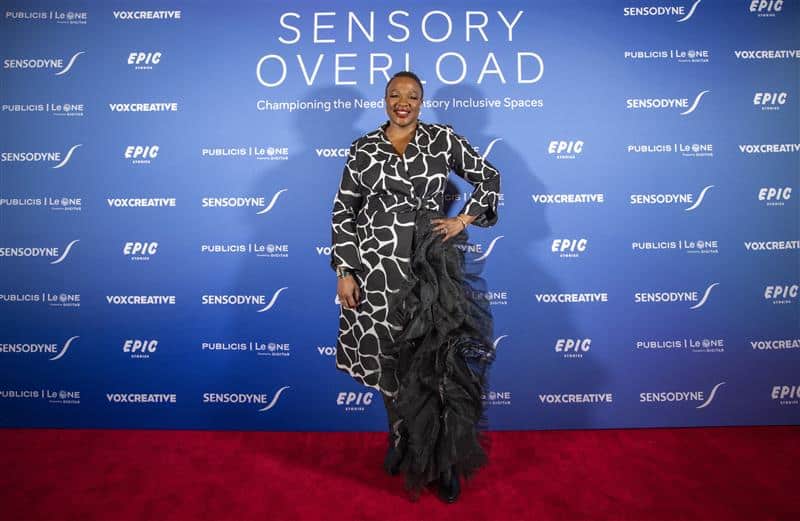
Lola’s experience is not an isolated event. For the estimated 1 in 4 people who have sensory needs (sensitivities to sounds, lights, or textures), a visit to the dentist can be stressful and, for some, even painful.
In fact, a new survey of oral health experts and individuals who are ‘Sensory Sensitive’ shows that:
Recognizing the need to address this, Lola became a strong supporter of the Sensory Inclusion Initiative, launched in collaboration with the American Dental Association, Sensodyne and KultureCity (a sensory accessibility non-profit). This program is designed to bridge the gap between dental professionals and families seeking inclusive care.
“There are still not enough dentists and other dental professionals who fully understand what being a sensory-inclusive practice means. So this initiative not only increases awareness, it helps guide people to local resources in their area. They’re not as easy to find as people think,” she shares.
One key feature of the KultureCity app is its searchable database, which allows families to identify dentists who are trained to accommodate patients with sensory sensitivities.
“Having this all-in-one place is a real gem, research-backed, fact information-filled resource that families can go to,” Lola adds.
RELATED: 15 Things Everyone Should Know About Autism
The study also shows that only nine percent of dentists report receiving some type of training to treat adults with sensory sensitivity, despite 80 percent saying they have at least some interest in receiving this type of training.
To address this, Lola advocates for integrating sensory inclusion training into dental school curricula and continuing education programs.
“Behavior is a form of communication,” she explains. Because of this, she encourages dentists to understand that a patient’s fear may not always be tied to anxiety, but rather a response to sensory overload.
Her advice for dentists in this scenario?
Ask better questions, observe reactions closely, and use non-threatening language and tools during treatment.
“Another thing is because oral health is tied to overall health, adding a more sensory-inclusive dentist reduces related issues down the road,” Lola says.
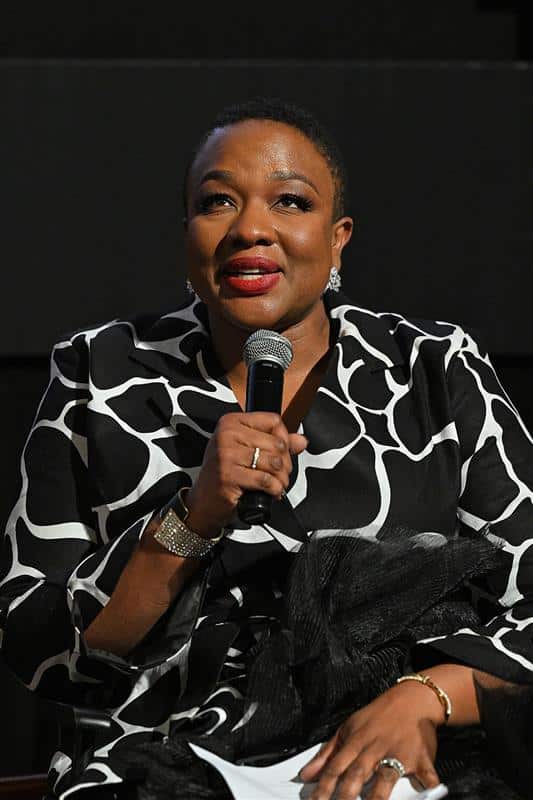
For parents with sensory sensitivity, Lola advises:
“It’s not [a] hyperbole, because on multiple levels, the stress level of it on the family is just knowing that you have to have a specialized healthcare provider, it’s anxiety-inducing,” Lola notes. “Let’s reduce the stabbing in the dark, which is…hoping that a dentist…understands the type of care you need…,” Lola notes.
Lola’s final message is clear: sensory-inclusive care should be the rule, not the exception.
“…This is not just a nice-to-have; it should be integral to the education of current and future dentists. It’s truly, truly [going to] change their outcomes, not just in oral care, but overall public health programs, and I hope more people understand that lies in them,” Lola concludes.
For tips on how to prepare for a dentist visit with guidance from an advisory council of sensory-inclusive dentists and neurodiversity experts and advocates, click here.

By subscribing, you consent to receive emails from BlackDoctor.com. You may unsubscribe at any time. Privacy Policy & Terms of Service.