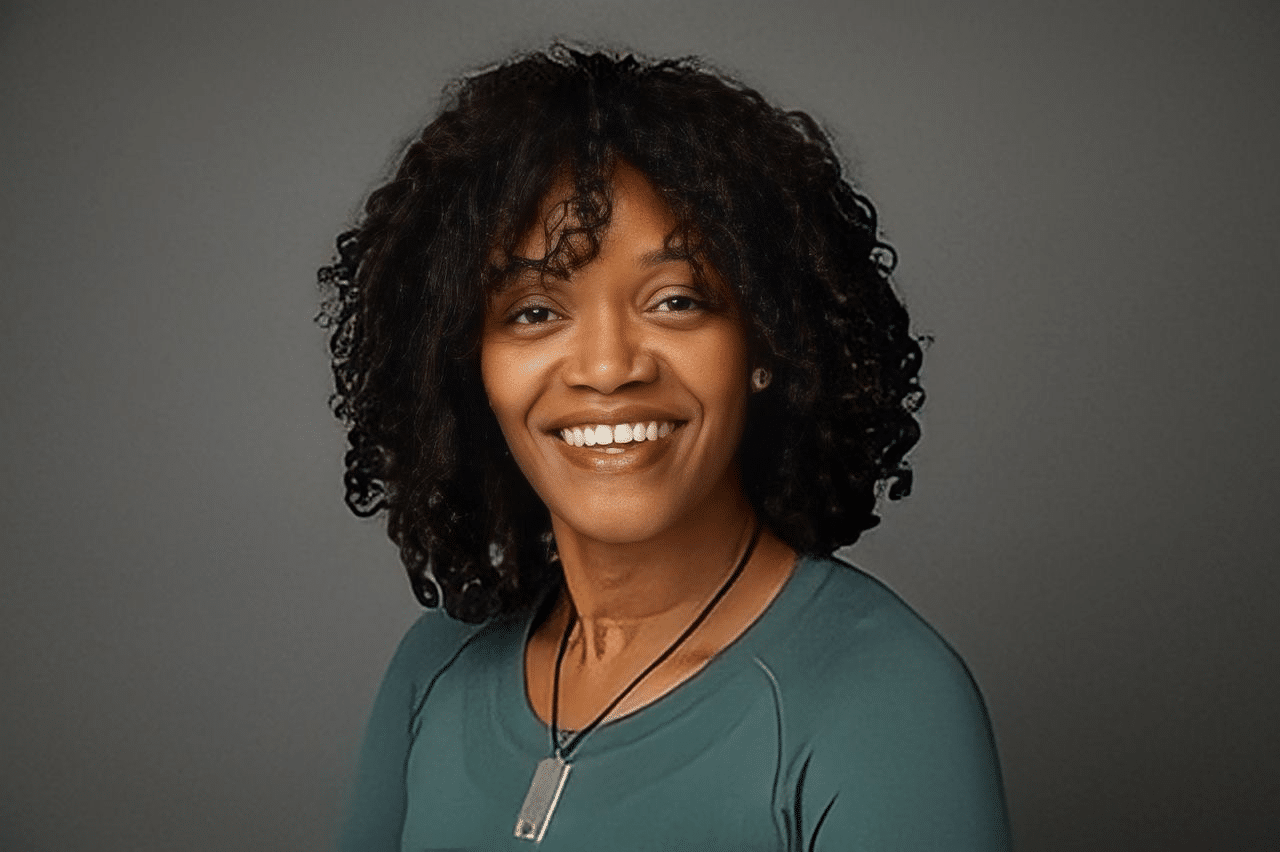
 Photo courtesy of Dr. Marjorie Dejoie-Brewer
We often hear early diagnosis is the key to getting effective treatment and improving prognosis. But what happens when the timing of your diagnosis is out of your control? Newborn screening for both sickle cell disease and sickle cell trait is paramount for early diagnosis. Today, they are performed in all U.S. states. But once upon a time, this wasn’t a normal procedure, which has led to many sickle cell patients being diagnosed later in life.
This was the case for Dr. Marjorie Dejoie-Brewer, who learned she had sickle cell disease during her second year of medical school after the director of minority affairs mentioned that her symptoms resembled sickle cell.
“She said, ‘You know what? Your symptoms sound like sickle cell disease. We have one of the leading sickle cell pediatricians at CHOP (Children’s Hospital of Philadelphia).’ So, I attended the University of Pennsylvania Medical School – and Children’s Hospital of Philadelphia is basically on the same campus, though they’re considered two different hospitals. And because she knew pediatrician Dr. Kwaku Ohene-Frempong, she was able to give him a call and say you know ‘we have a student…these are her symptoms, it really sounds like this,’ and asked if he could do a diagnostic blood test. ,” Dr. Dejoie-Brewer recalls.
Within a couple of hours, she was finally able to put a name to something she’d been experiencing her whole life.
Although the diagnosis was late, Dr. Dejoie-Brewer describes it as right on time.
“I don’t know that finding out earlier would have changed the progression of my disease or the person that I am today. But I believe it happened when it was supposed to happen,” she adds.
The diagnosis was a shock, but Dr. Dejoie-Brewer credits the hospital staff for delivering the news with “compassion and assurance.”
“…A lot of diagnoses are given to you with an air of condolence. Usually, it’s like ‘Oh my God, I hate to tell you this but…,’” she notes.
For Dr. Dejoie-Brewer, the diagnosis was a way to finally put a finger on what was going on with her and her brother, who also has sickle cell disease and received a diagnosis around the same time.
RELATED: Sickle Cell Warrior on Breaking the Cycle: “Get In The Ring With Us”
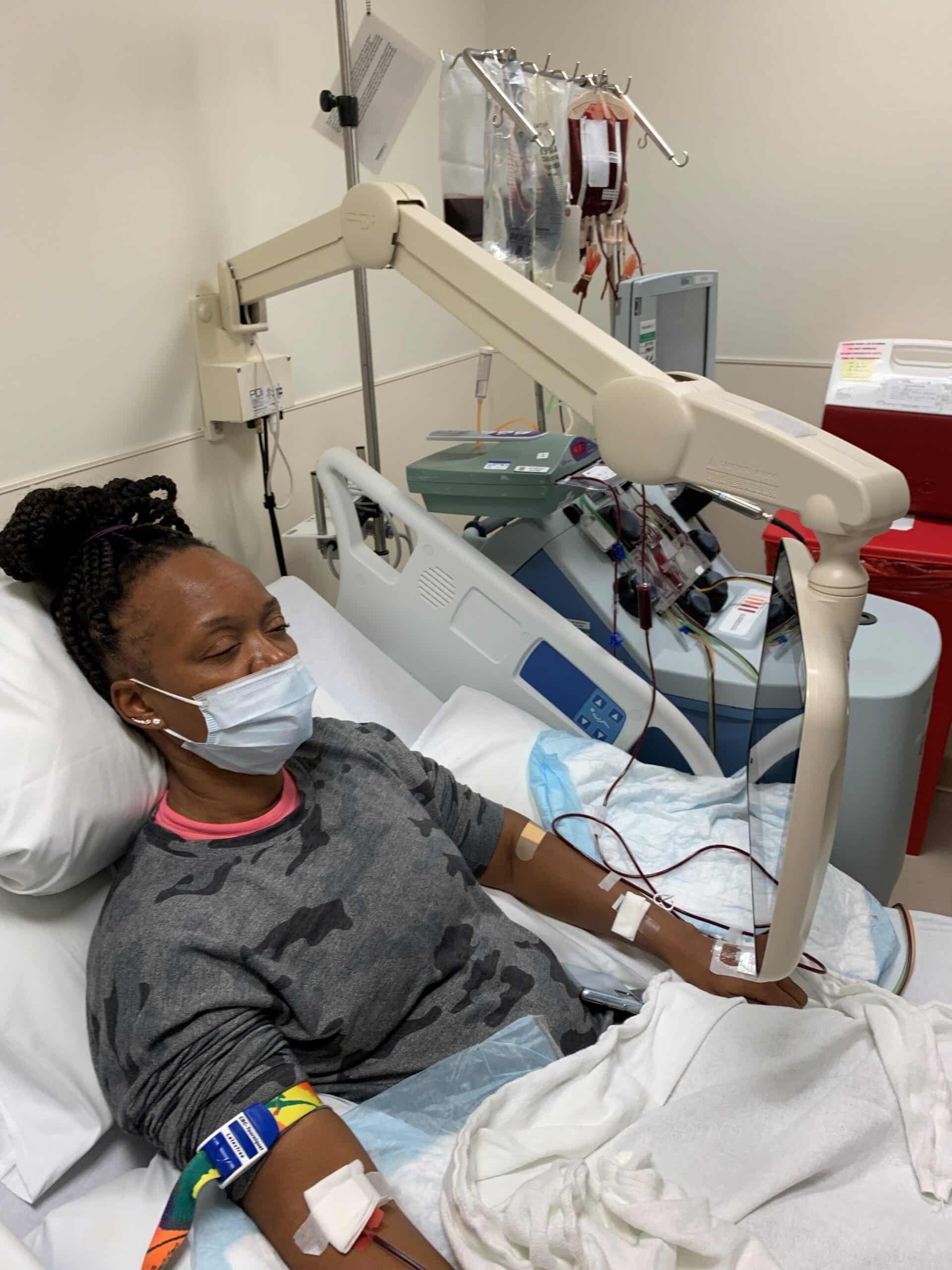 “Donors give me life,” says Dr. Marjorie Dejoie-Brewer pictured receiving a blood transfusion at one of her monthly apheresis appointments at Thomas Jefferson University Hospital in Philadelphia. She receives 6 units of donated red blood cells every 3 to 4 weeks as part of her treatment. (Photo courtesy of Dr. Marjorie Dejoie-Brewer)
“It wasn’t that I wasn’t going into the hospital. I had been admitted to the hospital multiple times. I would present and describe what I was experiencing, and nobody thought in all those times that I went to check for sickle cell. So, to me there was a sense of relief that came along with the diagnosis,” Dr. Dejoie-Brewer shares. “I could put a name to the illness that was causing my suffering. I wanted to go back to every single hospital and say ‘see, I wasn’t making it up. I told you something was going on.’ It is very challenging when you feel like you are not being heard and seen by doctors while experiencing the worst pain of your life…But everyone wasn’t thinking sickle cell disease at the time.”
After dealing with the shock of the diagnosis and the fear from her family, Dr. Dejoie-Brewer embarked on what she calls a “steep learning curve” to teach herself as much information about sickle cell disease as possible.
Her diagnosis also helped change the future of the career she was preparing for in medical school.
“I went into med school just knowing I was going to go into pediatric interventional radiology — you couldn’t tell me anything else. But after my diagnosis and my experiences during medical school, I decided part of my career would be focused on sickle cell disease. I felt called to do something that’s going to help this community…So, I initially started by becoming an advocate because the medical team that diagnosed me and cared for me were very active in the community and are to this day,” she adds.
Although she shifted her career focus to sickle cell and other rare diseases, her internal medicine and rehabilitation background helped her find alternative ways to manage her disease.
“That discipline helped me develop a mindset around pairing complementary and alternative medicine with what was considered the standard of care for individuals living with sickle cell at the time. My family relied on natural remedies and healthy lifestyle choices to manage my disease and my crisis, and I have continued some of them to this day ,” Dr. Dejoie-Brewer adds.
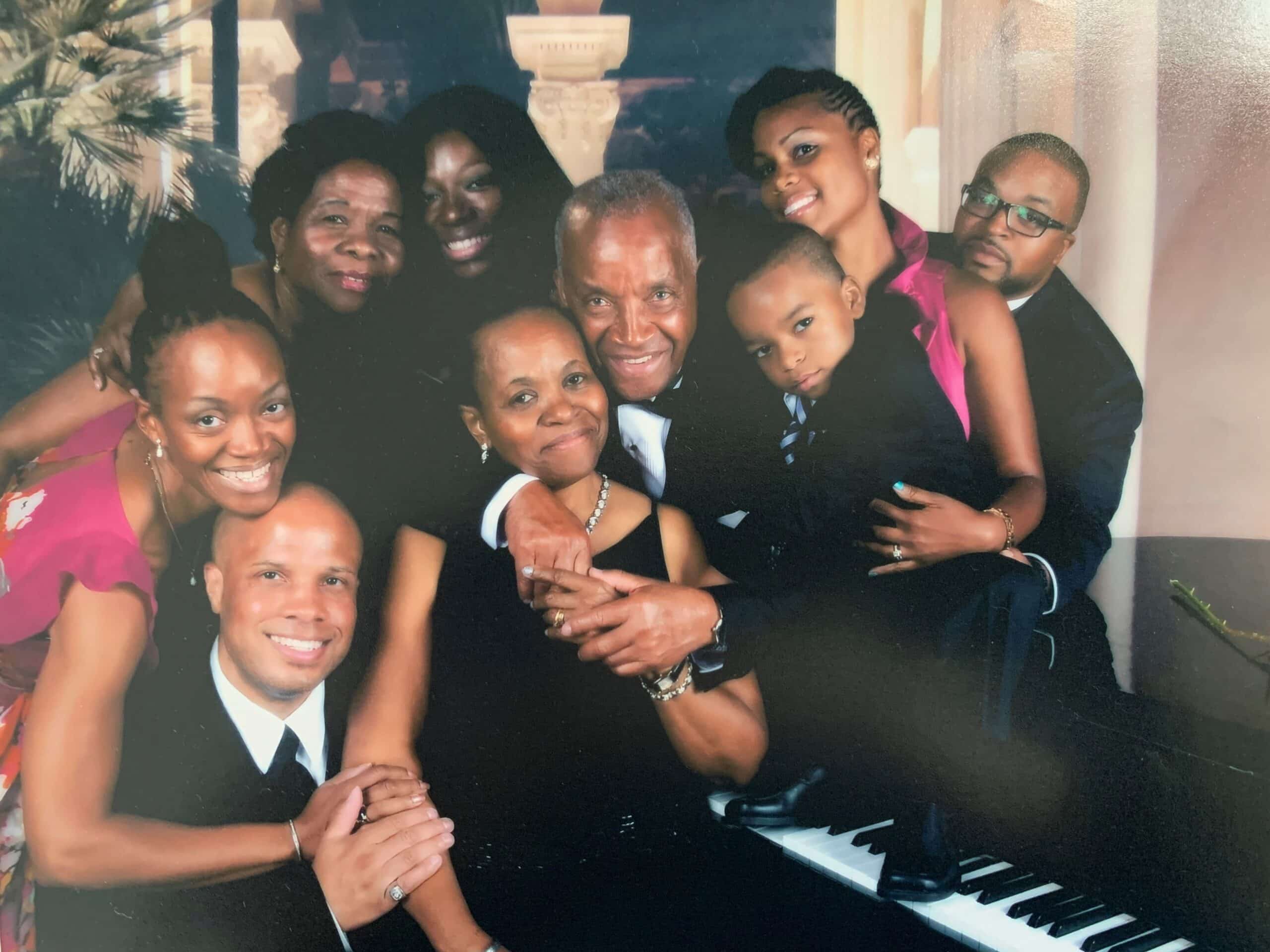 Caption for family picture “It takes a village” (L-R: bottom): Dr. Marjorie Dejoie-Brewer is pictured with her family during a family vacation in 2018: Melvin L. Brewer lll (husband) Marie C. Dejoie (mother), Marc Dejoie (Father) Marcus D. Dejoie (nephew); top Mimose Saint-vil (aunt), Maritne M. Saint-vil (cousin) Edwidge Dejoie (sister-in-law) Jean-marc Dejoie (brother) (Photo courtesy of Dr. Marjorie Dejoie-Brewer)
“I have experienced a sickle cell crisis everywhere in my body except my earlobes. Developing a treatment plan that works for me continues to be a personal lifelong journey in partnership with medical providers, health care practitioners, friends and family and at times, strangers. It takes a village and I could not do it alone.”
Another critical component to managing sickle cell? Blood transfusions.
“I just got my transfusion two weeks ago, so I am very thankful for every person that gives every drop of blood that they do. Blood transfusions have become a primary part of my treatment plan for the past six years. Donors are giving individuals like me—functional cells where I am unable to produce enough functional cells,” says Dr. Dejoie-Brewer, a blood recipient who advocates for blood donations as an American Red Cross Southeastern Pennsylvania Region board member.
“Specifically in the Black community…I can’t say enough about how vital donations from our community are… [especially for] individuals who suffer from this disease…Because at the end of the day, we want to match [the blood donations with the blood of the recipients] as closely as we possibly can. So, I am thankful for every individual that takes the time out to donate,” she adds.
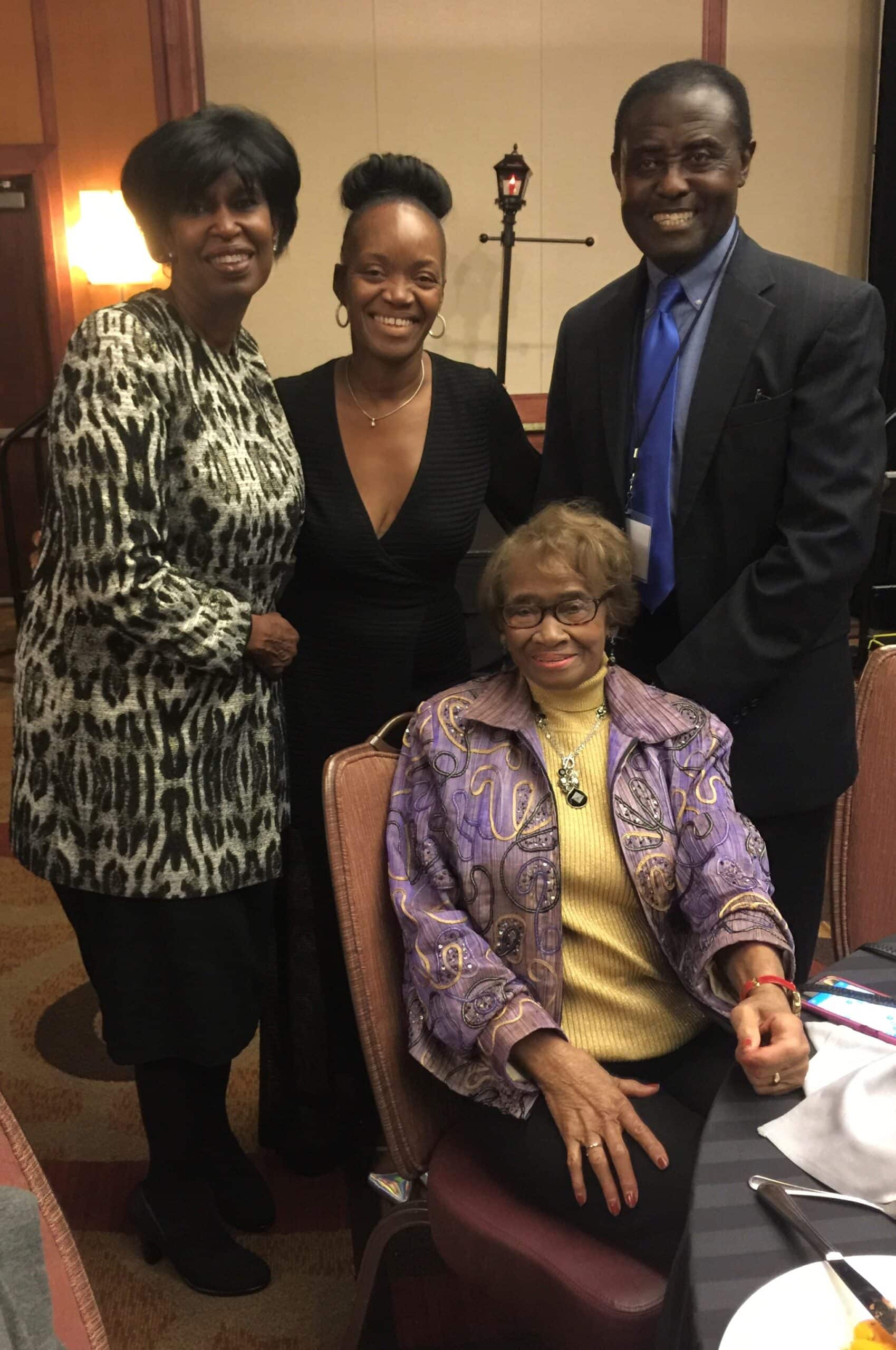 Dr. Marjorie Dejoie-Brewer at the 44th Annual Sickle Cell Disease Association of America Convention in 2016 with sickle cell leaders (Left to Right) Dr. Kim Smith-Whitley, Dr. Clarice D. Reid and Dr. Kwaku Ohene-Frempong. (Photo courtesy of Dr. Marjorie Dejoie-Brewer)

By subscribing, you consent to receive emails from BlackDoctor.com. You may unsubscribe at any time. Privacy Policy & Terms of Service.