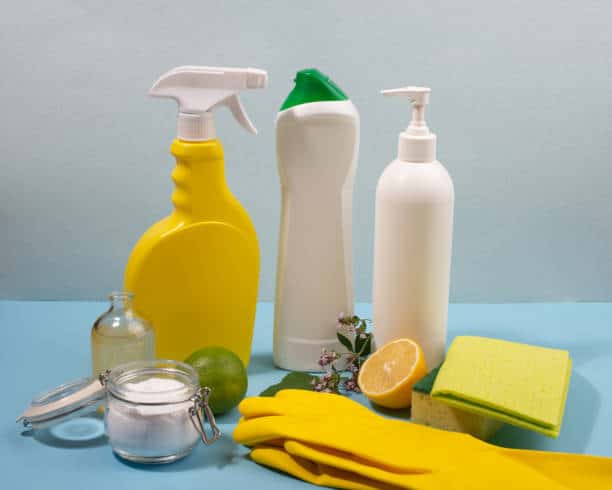
While you can find hundreds of household cleaners on the shelves, you can easily make effective natural ones with just a few ingredients that you may already have at home. These homemade alternatives can get rid of dirt, grime, stains, and odors as long as you use the right combinations to tackle the problems. If you’ve been looking for a way to kick the store-bought stuff to the curb, now’s a great time to start with these 10 simple alternatives!
Ingredients
Method:
Ingredients
Method:
RELATED: Spring Clean Without The Chemicals! Use These 8 Natural Cleaners Instead
Ingredients
Method:

Ingredients
Method:
Ingredients
Method:
RELATED: 20 Dirtiest Household items That You Touch Every Day
Ingredients
Method:
Ingredients
Method:
RELATED: 8 Tips To Spring Clean Your Kitchen
Ingredients
Method:
Ingredients
Method:
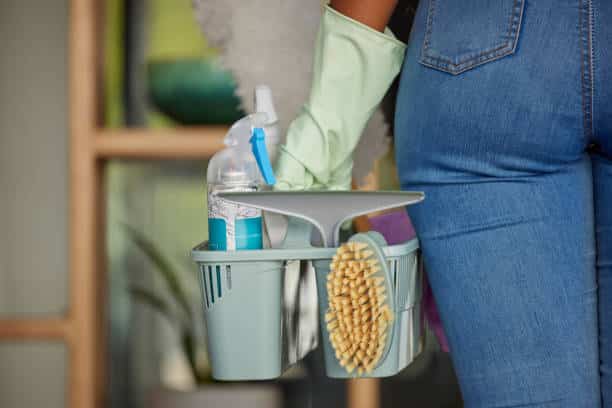
Ingredients
Method:
RELATED: Are Your Cleaning Products Putting You at Risk for Cancer?
Homemade cleaners offer a budget-friendly option when compared to those on the market. Depending on what you’re looking for, you can end up spending hundreds of dollars trying to keep your home clean. Despite what their labels say, there is rarely only one product that will do all the jobs you need to do.
Additionally, natural household cleaners don’t have toxic ingredients that give off fumes that can make you and others sick. You’re also less likely to have cross-reactions that result in the release of harsh chemicals that can irritate your lungs, burn your skin, or in worst case scenarios, lead to loss of consciousness.
Natural cleaners are also less likely to damage your furniture, flooring, or carpeting. In many cases, you have to seek out specific store-bought chemicals if you want to clean sensitive areas in your home. Even then, you can end up with a cleaner that ruins the substrate it’s supposed to clean. Natural cleaners, on the other hand, are generally gentler while still being effective.
Finally, natural chemicals are an excellent option for those who are more sensitive to certain chemicals or scents. People with skin conditions like eczema and psoriasis might not be able to handle the store-bought cleaners as easily as others. The same is true for those with chronic respiratory illnesses like asthma and chronic obstructive pulmonary disease (COPD). These people are supposed to avoid irritants as they can trigger a flare up of their symptoms.
It’s important to note that most household cleaners are considered to be safe as long as you use them properly. It’s best to use protective gear like gloves and goggles with harsh cleaners. If the cleaner may come in contact with your feet, it’s a good idea to wear boots as socks won’t offer enough protection. Many cleaners require proper ventilation when in use so you need to read the labels on your products for guidance.
You should also never use certain products together as they may react to release harmful gases that can make you sick. For example, combining vinegar, bleach, or ammonia can release dangerous gasses like chloroform. If exposed, you may experience irritation of your eyes, skin, or respiratory system. Sometimes, you may lose consciousness and exposure to certain gases may even be fatal.
However, even if you handle household cleaners properly, you may be exposed to residual toxins. In fact, health experts note that the volatile organic compounds (VOCs) that are found in these cleaners often make up the indoor air pollution that plagues many households. Unlike acute exposure, it may take time for you to fully experience the effects of inhaling VOCs. If you clean your home regularly, you may have as high a risk of lung damage as someone who cleans professionally.
When the chemicals in your air start affecting you, your skin, eyes, nose, and throat may be irritated frequently. You may have a chronic cough, shortness of breath, wheezing, nausea, unexplained headaches, and dizziness. Some people may have a flare up of their allergies that has no known cause or symptoms that get worse when inside.
Furthermore, people with certain health conditions are more likely to develop symptoms when exposed to VOCs. If you have respiratory conditions like asthma or chronic obstructive pulmonary disease, the effects can be particularly harmful. That’s because your airways are more sensitive to the effects of chemicals. In this case, you may have wheezing, tightness in your chest, shortness of breath, and a frequent cough.
There may be a lot of cleaners on the market but that doesn’t mean they’re the right choice for you. Fortunately, there are many homemade options that can clean your house just as well as the store-bought chemicals. You simply need to find the ones that meet your needs.


By subscribing, you consent to receive emails from BlackDoctor.com. You may unsubscribe at any time. Privacy Policy & Terms of Service.