In the not-so-distant past, the road for adults with Down syndrome was lined with limited expectations. Can you believe that people once thought someone with Down syndrome would only live for about 10 years? But guess what? Times have changed, and today, individuals with Down syndrome are rewriting the script, living well into their fifties and sixties, and challenging stereotypes. As you waltz into adulthood with Down syndrome, here’s a friendly guide to what you can expect in a world that’s learning to celebrate everyone’s unique journey.
In the old days, the idea of folks with Down syndrome living on their own was like a far-fetched dream. But hold on to your hats—things are different now! People with Down syndrome are as diverse as a box of chocolates, and that means the best living arrangement for one person might not be the same for another. Some are rocking complete independence, while others cozy up in group settings with pals or family.
Guess what else? There are tons of organizations across the country that help you find the perfect place to call home. From super-supported homes to more independent setups, the options are as varied as your favorite playlist.
Options range from highly staffed homes that are supervised 24 hours per day to supportive living situations, where staff may provide assistance 15 to 20 hours per week,” Kathy Higgins, who has worked as a family liaison and early intervention evaluation coordinator at The Arc Westchester’s Children’s School for Early Development in Hawthorne, New York tells Everyday Health.
Dr. Brian Chicoine, a family medicine specialist with a focus on adults with Down syndrome at Advocate Medical Group in Park Ridge, Illinois shares that about half of adults with Down syndrome live in a family home, while the other half choose a supported group environment. It’s a mixed bag, and that’s what makes it awesome!
Beyond home turf, let’s talk about school and work. After high school, you’ve got options! Some colleges, like Eastern New Mexico University, have programs just for people with unique learning needs. And get this—there are scholarships from places like Ruby’s Rainbow, so you can keep that learning vibe going.
Now, about work—there’s a whole squad of agencies ready to help you find your dream job.
The National Down Syndrome Society (NDDS) categorizes the following three types of employment available to people with Down syndrome:
And surprise, surprise, the world of technology is waiting with open arms. In fact, people with Down syndrome can outsmart the rest of us with an iPad. Who knew?
People with Down syndrome “do really well in computer work,” Kishore Vellody, MD, medical director of the Down Syndrome Center of Western Pennsylvania and a professor of pediatrics at the University of Pittsburgh School of Medicine tells Everyday Health. “You hand somebody with Down syndrome an iPad, and they can figure it out faster most of the time than most of us could.”
As you grow older, some of the support services you had as a kid might take a back seat. Although you may need assistance with life skills, like cooking and cleaning, there isn’t typically help unless you encounter a medical issue, such as a broken hip. In this case, insurance might cover a therapist.
“Therapies to treat Down syndrome per se, as you’d see in a young child, are not typically available for adults,” Chicoine says.
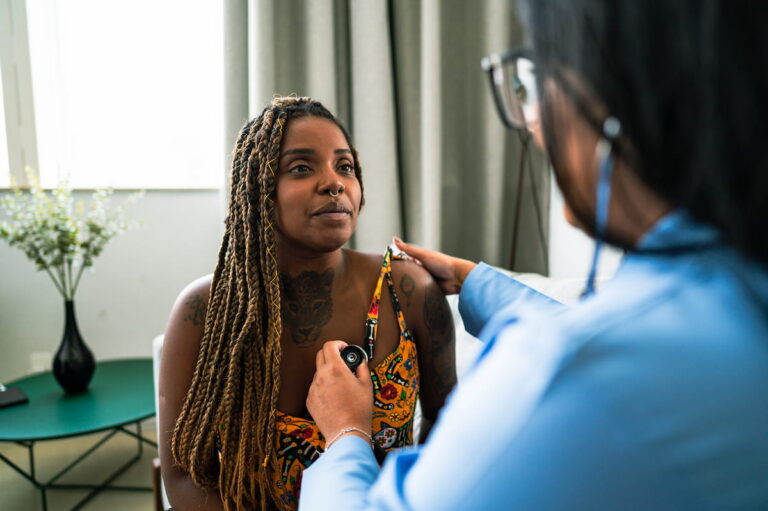
And don’t forget about health checkups! Although you might face some health hiccups, catching them early through regular checkups is key. So, keep those appointments on your calendar!
Your journey into adulthood with Down syndrome is a unique dance. With more understanding and opportunities, the world is beginning to see the awesomeness that is you. So, tap your feet to the beat of your own drum and savor every step of the way!


By subscribing, you consent to receive emails from BlackDoctor.com. You may unsubscribe at any time. Privacy Policy & Terms of Service.