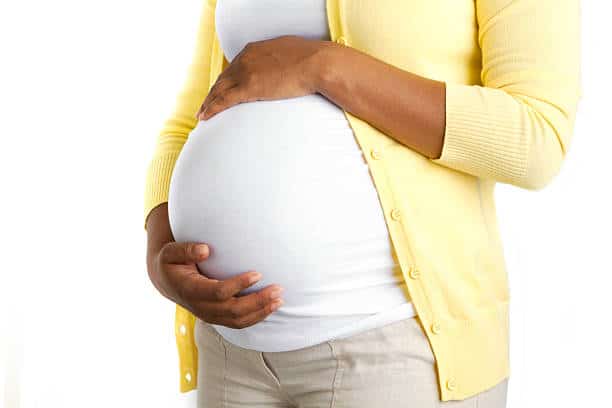
Pregnant women in the U.S. who face adverse social conditions where they live, work, learn and play are at higher risk for poor heart health, a new study suggests.
That can lead to early cardiovascular disease and death – and it can affect their children’s health, says senior study author Dr. Khurram Nasir, division chief of Cardiovascular Prevention and Wellness at Houston Methodist DeBakey Heart & Vascular Center in Texas. “We need to identify and work on the social risks that are truly impacting their cardiovascular risks.”
Cardiovascular disease is driving a rise in the maternal death rate, which has been steadily rising over the past few decades. It now accounts for one-third of all pregnancy-related deaths. Recent years also have seen a rise in cardiovascular risk factors among pregnant women, including Type 2 diabetes, high blood pressure and obesity. At the same time, other poor pregnancy outcomes have been growing, such as preeclampsia, gestational diabetes, premature births and low birthweight babies.
The new study, published Tuesday in the Journal of the American Heart Association, measured risk factors for cardiovascular disease among pregnant women living under multiple adverse social conditions, including economic instability, low education levels, high psychological distress, unstable housing, food insecurity, insufficient access to quality health care, and a lack of social support. These factors are collectively referred to as the social determinants of health.
RELATED: The Dark Side of Pregnancy For Black Women
While other studies have looked at individual factors affecting the social conditions under which pregnant women live, Nasir says this is the first to look at the cumulative impact of those conditions upon pregnant women’s heart health.
“We took a more robust look at the issue than just looking at income and access to health care,” Nasir, a professor of cardiology at Houston Methodist Academic Institute shares. “There are many other factors that used to get ignored. But it’s very hard to disentangle the individual risks, which are interconnected. We needed a more comprehensive approach in capturing them.”
Nasir and his team looked at six categories of social determinants affecting the lives of 1,433 pregnant women, scoring 38 individual sociodemographic variables. Using data from the National Health Interview Survey, their cardiovascular health was rated based on the presence of risk factors such as high blood pressure, obesity, Type 2 diabetes, high cholesterol, current smoking and insufficient physical activity.
Overall, they found about one-third of the women had less than optimal heart health, no matter their sociodemographic scores. But women facing the greatest cumulative burden of negative social conditions were twice as likely to have two or more risk factors for
heart disease, such as smoking, obesity and insufficient physical activity, compared to those living under much better social conditions.
“Many women in the United States enter pregnancy with suboptimal cardiovascular health,” says Dr. Sadiya Khan, an assistant professor of medicine and preventive medicine at Northwestern University Feinberg School of Medicine in Chicago. “But the upstream drivers of poor cardiovascular health at the time of pregnancy are social determinants of health. Pregnancy represents a time during which we can intervene to address both clinical and social risk factors to reduce risks associated with pregnancy and beyond.”
Khan, who was not involved in the new study, was part of the writing committee for last year’s American Heart Association statistical update on heart disease and stroke. It was updated to include data on heart-related pregnancy complications, recognizing the increasing threat heart disease poses to pregnant women and their children.
The risks are higher for some women.
Black women are more than twice as likely to die during or soon after pregnancy than their white counterparts and three times as likely as Hispanic women. They also are 50% more likely to give birth to a baby prematurely and nearly twice as likely to have low birthweight babies.
“If you want to prevent these outcomes, optimizing cardiovascular health in pregnant women gives us a huge window of opportunity to do so,” lead study author Dr. Garima Sharma, director of cardio-obstetrics at Johns Hopkins University School of Medicine in Baltimore notes.
She says women who are pregnant or thinking of becoming pregnant may be more motivated to make lifestyle changes to reduce their heart health risks if they are made aware of ways to do so. “We really need to start reaching out to them as early as possible to help break down some of these barriers. We need to focus on primordial and primary prevention in young women and focus on intervening before they have adverse pregnancy outcomes,” Sharma, an assistant professor of medicine at Johns Hopkins University adds.
She says the next step is to study interventions that can improve access to preventive care and to take a closer look at how social determinants may be affecting pregnant women in rural areas compared to urban places.
“Then we can have a conversation about where best to allocate public health resources.”
The more proactive you are, the greater chance you have of a healthy pregnancy for both you and your child. Luckily, there are many things you can do to protect your heart during pregnancy, according to Inova Newsroom:


By subscribing, you consent to receive emails from BlackDoctor.com. You may unsubscribe at any time. Privacy Policy & Terms of Service.