 (Photo credit: Instagram)
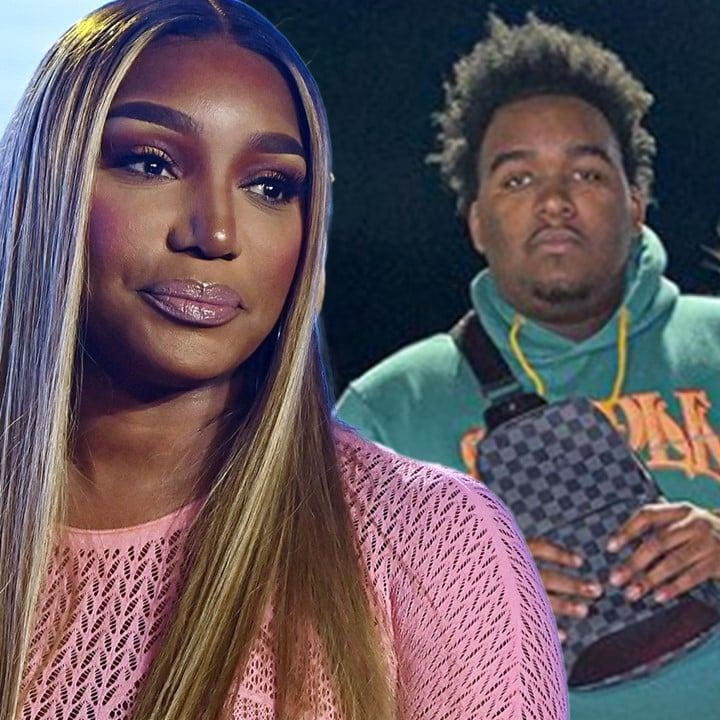
Over the past few years, Real Housewives of Atlanta (RHOA) alum NeNe Leakes has had her own share of health issues in our own life and the lives of the ones she loves. Sadly, her husband Gregg passed away in 2021 after a long battle with colon cancer. Gregg was a beloved figure on RHOA and the model of a supportive husband. Unfortunately, Brentt has recently had some serious struggles of his own with his health.
In October 2022, NeNe announced that of her two sons, Brentt Leakes and Bryson Leakes, Brentt had congestive heart failure and suffered a stroke. He was just 23 years old, and doctors were unsure about what caused his medical issues. NeNe added that Brentt was having trouble speaking, and asked her fans to pray for her son. Then NeNe said that they were both “shocked, just shocked.”
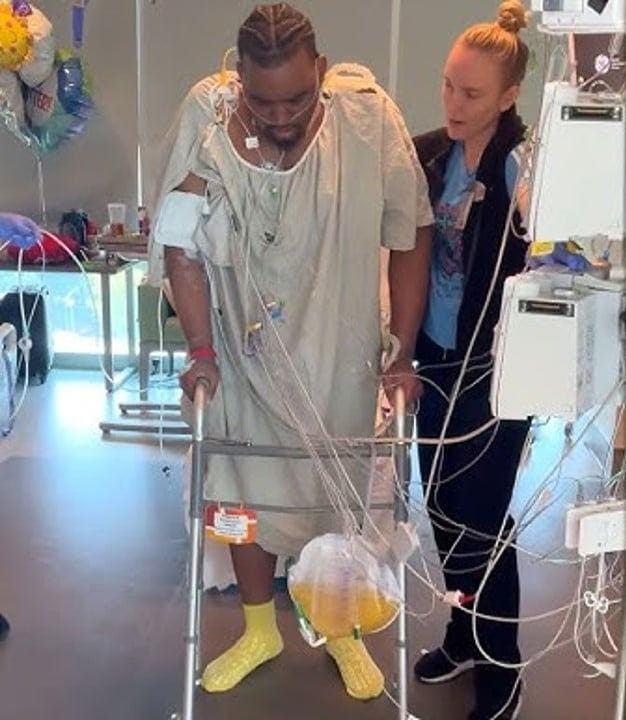
He had since recovered from that but recently posted about having a heart transplant.
Brentt Leakes is recovering after having a heart transplant
Now Brentt has shared an update on his health via Instagram. In the caption, Brentt wrote, “To begin with, let me say, “Thank you, God.” This year was undoubtedly the craziest for me. After several trips to the hospital and many doctors appointments, I finally heard the unexpected news that I was diagnosed with “congestive Heart Failure” On June 19 (Ish)” the reality star son writes via Instagram.
“This experience has FOREVER changed my life. I am so thankful to the family that donated the heart! A huge thank you to MY MOM, marshella , Nyoni, Big Janae, Nikiyah, my friends, doctors, nurses, and everyone else who was pushing, pulling and praying me thru this..”
Black people in need of a new heart are less likely than their white peers to get a transplant, and when they do, they’re more likely to die afterward, according to new research.
The study, published in 2021 in the Journal of the American Heart Association, analyzed the impact of changes made in 2018 to how transplants are allocated with the aim of expanding availability.
Evidence for this situation was reported in 2018 at the American Heart Association’s Scientific Sessions conference. The preliminary research suggested that between 2005 and 2016, Black patients experienced longer wait times for a heart transplant than other racial and ethnic groups.
The odds are even worse for Black men specifically. In the United States, evidence shows that a well-functioning donor heart is far more likely to go to nearly everyone else except to a Black man.
 (Photo credit: Instagram)
The news is troubling, since “Black patients have a two to three times greater risk of developing heart failure than white patients, and they have the highest risk of dying from heart failure compared with all other racial and ethnic groups,” said study author Dr. Khadijah Breathett. She is an associate professor of medicine at the Indiana University School of Medicine in Indianapolis.
The new study, published March 25 in the Journal of the American Medical Association, tracked what is known as the “acceptance” of donor hearts by health care teams who care for candidate recipients for transplant.
Breathett’s team looked at data from United Network for Organ Sharing (UNOS) from late 2018 to March of 2023.
Of the nearly 15,000 Americans waiting on a list for a donor heart, 69% were white and 31% were Black. About 74% were men.
Black candidates (of either gender) for heart transplant were 24% less likely to be accepted for a healthy donor heart compared to white candidates of ether gender, the study found. That was true for multiple “offers” of a donor heart.
Women tended to be more readily accepted for donor hearts than men, the study found.
Ranked by likelihood of receiving a healthy donor heart, white women ranked highest, followed by Black women, then white men and finally Black men, the research showed.
View this post on Instagram
According to the American Heart Association’s Scientific Sessions 2021, a decade of study done between 2007 and 2017, showed that young, Black adults in the U.S. (mean age of 31 years) experienced increased cardiovascular disease risk factors and worsened hospital outcomes.
The study included a national sample of hospital inpatient records of more than 2.9 million young, Black adults ages 18 to 44 years.
Heart failure can cause a variety of symptoms in Black men, including:
“To God Be The Glory!” wrote NeNe in a comment under her son’s post. “It has been A LOT! I am so proud of how strong you’ve been thru this process son.”


By subscribing, you consent to receive emails from BlackDoctor.com. You may unsubscribe at any time. Privacy Policy & Terms of Service.