Developing healthy eating habits is an important key to maintaining weight loss and fighting unhealthy cravings. But sometimes…it’s 11pm and that pint of ice cream just won’t stop calling your name! What are you supposed to do?
Is Snacking At Night All That Bad?
Many people overeat in the evening because they have not consumed enough calories during the day. Skipping breakfast, starting the day with foods high in sugar, and limiting your food to lose weight all make it harder for your body to sustain itself later into the evening.
Besides hunger, a nighttime snack can stem from stress, boredom, or habit.
“Emotions and feelings like depression, anxiety, sadness, and frustration also trigger eating, particularly in people who have not developed healthy coping strategies to deal with negative emotions,” says Cathy Leman, RD, a personal trainer and owner of NutriFit, Inc.
Leman also notes that any positive psychological effects of eating tend to wear off quickly, leaving the person with a full belly, stressed digestive system, and unsettled sleep at night.
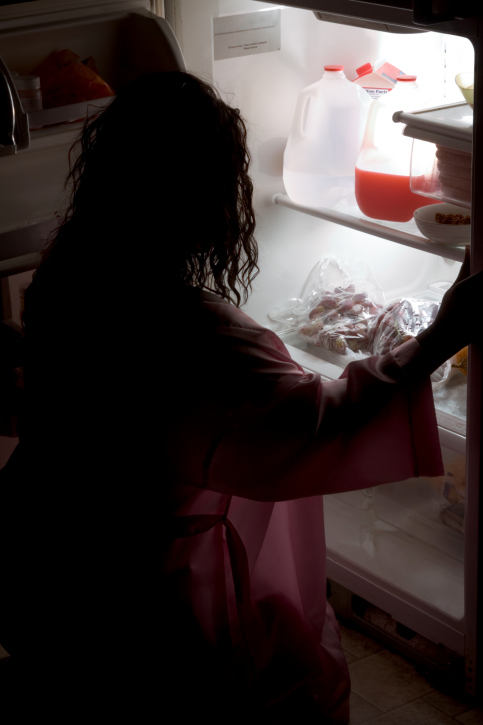
“Eating at night when you aren’t hungry feeds a vicious cycle,” says Michelle May, MD, author of Eat What You Love, Love What You Eat: How to Break Your Eat-Repent-Repeat Cycle. “You wake up in the morning feeling guilty and not hungry for breakfast, so you starve yourself all day to pay penance and binge again at night, or by mid-morning you are starving so you grab whatever is in the break room — usually doughnuts or bagels — which begins a downward spiral of overeating and guilt that lasts into the night again.”
If You Must Nibble At Night…
1.) Take Spinach Extract.
Spinach extract is a “new” supplement on the market, made from spinach leaves. It helps delay fat digestion, which increases the levels of hormones that reduce appetite and hunger, such as GLP-1.
Studies show that taking 3.7–5 grams of spinach extract with a meal may reduce appetite and cravings for several hours.
One study in overweight women showed that 5 grams of spinach extract per day reduced cravings for chocolate and high-sugar foods by a whopping 87–95%.
Still hungry? Try these snacks that are good for you and have been known to kill a craving or two:
I’m a dessert girl and I love a good apple or sweet potato pie. Here is a way to get a treat with a similar taste, but without the high amount of sugar and calories. When you are craving a pie, try this instead. Slice up a pear and add a little bit of yogurt on top. The pear contains cancer-fighting properties and the yogurt has probiotics that can help prevent gum disease.
If you are looking for something sweet and filling at the same time, this treat is a good option. The blackberries are full of antioxidants and the pistachios will give you a full feeling. The best thing is this treat of a salty and sweet mixture is less than 200 calories, coming in at 159 calories with 7.6 grams of fat and 7.6 grams of fiber. The fiber will help you feel full while keeping your caloric intake intact.
2.) Distract yourself.
Engaging in activities that keep your hands busy is particularly helpful in controlling your food cravings and aiding your weight loss. Some ideas: writing a letter, doing chores around the house, calling a friend, brushing your teeth, taking a bath, or taking a walk.
3.) Moderation instead of abstinence.
It’s not uncommon to hear people suggest complete abstinence from foods to manage cravings, especially when people talk about food addiction and cravings for sugar. However, avoiding things you fear may only reinforce that fear.
If you think you can never eat certain foods again, you may feel driven to eat as much as you can when you encounter those foods. Totally avoiding foods you crave may actually worsen the cravings. Try intentionally adding some of the foods you typically crave to your regular meals. Knowing that it’s part of your plan, that you are not doing anything wrong, and that you will have that food again in the near future may change the way you deal with that food for the better.
In general, you should stop eating two hours before your bedtime – this helps to avoid those unpleasant feelings of bloating and stomach pain the next morning. Assess why you really want to eat. If you’re just bored or stressed, find…
…something to do that doesn’t involve food, such as taking a soothing bath or reading a book. But, if you truly are hungry, try drinking a full glass of water. Then, if you’re still hungry, eating something very light, like a very small salad or a piece of lean protein, like an ounce of tuna, chicken breast or turkey.
A nighttime snack isn’t always harmful, but if you understand the reasons behind late-night eating and then modify your diet accordingly, chances are your midnight cravings won’t be quite as bad.


By subscribing, you consent to receive emails from BlackDoctor.com. You may unsubscribe at any time. Privacy Policy & Terms of Service.