I did not set out to become a patient safety advocate. I did not plan to build a technology platform. I was simply a woman who wanted to become a mother and to be cared for when my body was clearly telling me something was wrong.
My story begins long before my diagnosis. It begins with loss.
I experienced nine miscarriages. Nine times I prepared my heart. Nine times, I allowed myself to hope. And nine times I had to walk away from dreams that ended too soon. Each loss left its own imprint physically, emotionally, and spiritually. What made it even harder was how often my concerns were minimized along the way. I learned early that in many clinical spaces, grief is rushed, symptoms are questioned, and women are expected to quietly endure.
When I finally carried my son Nazaire to viability, my pregnancy was anything but easy. I developed serious cardiac and pulmonary complications that left me struggling to breathe. I repeatedly expressed that I needed oxygen support, but it was not consistently provided, and I was not closely monitored the way my condition warranted. The gaps were clear even while I was living through them.
Nazaire was ultimately born preterm. While I was grateful for his safe arrival, the experience left me shaken. My pregnancy journey had been filled with warning signs that did not always trigger the level of urgency they should have. Like many mothers, I was then discharged into the postpartum period with minimal structured follow-up. The system that had watched me so closely during pregnancy seemed to disappear almost overnight.
RELATED: I Was Gaslit by Doctors During Pregnancy—Now I Fight to Save Other Mothers
Six months later, my body sent another alarm that I could not ignore. I woke up with vision loss and symptoms that felt consistent with a neurological emergency. As both a nurse and a patient, I knew this was not something to take lightly. I went to the emergency room seeking immediate care.
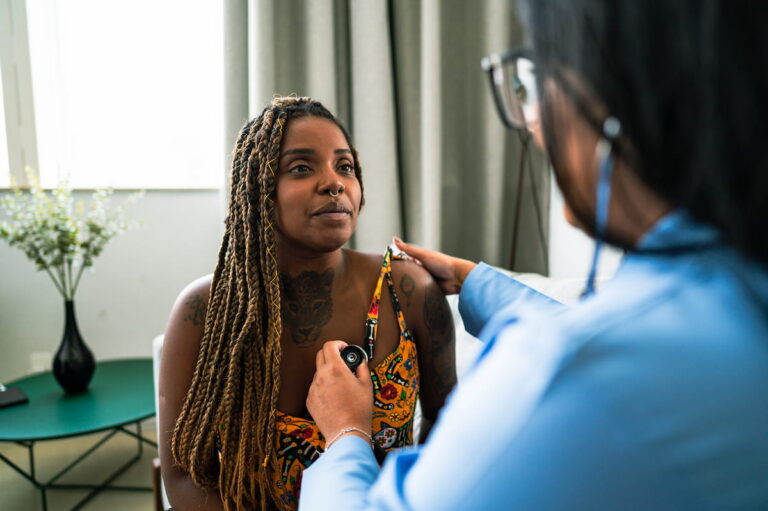
Even with my medical background, I was dismissed. My symptoms were minimized, and the urgency I felt internally was not reflected in the response I received. That moment is one I will never forget. It is a uniquely vulnerable experience to know something is wrong in your body while feeling unheard in the very place designed to help you.
As my condition progressed, imaging eventually revealed what my body had been trying to communicate. There was reduced blood flow in my brain and significant vascular compression that placed me at risk for stroke. What followed was a series of urgent evaluations and multiple brain stent procedures to relieve the pressure.
Those hospital days changed me. Not only because of the physical vulnerability, but because of what I witnessed as both a patient and a nurse. I saw how easily communication gaps occur. I experienced delays that could have had devastating consequences. And I felt firsthand how quickly patient concerns can be deprioritized in busy clinical environments.
As a Black woman navigating the healthcare system, I was also deeply aware of the broader context. The disparities in maternal and neurological care are well documented, but living through the experience gave those statistics a human face. Sitting in hospital rooms advocating for myself while my condition worsened made one thing very clear to me. Patients need better infrastructure to be heard in real time.
That realization became the seed for HEARD. HEARD stands for Human Enabled AI Reporting and Documentation. I created it because I lived the problem. HEARD is designed to give patients and families a structured, intelligent way to document concerns, escalate issues, and navigate care in real time. It is not about replacing clinicians. It is about strengthening communication, improving visibility, and helping patients feel supported when they are most vulnerable.
At its core, HEARD helps patients clearly document symptoms, generate structured escalation communications, track care interactions, access patient rights education, and navigate complex care environments. For women, especially in the maternal and postpartum space, this kind of infrastructure matters. Too many of us are told to speak up without being given tools that actually help our voices carry weight inside complex health systems.
If I could share practical lessons with readers, these would be at the top of my list. Trust your body. You live in it every day. If something feels persistently off, do not ignore that internal alarm. Document your symptoms and bring notes to appointments. Seek second opinions when needed. Bring support with you when possible. And if your condition is worsening and you are not getting answers, escalate respectfully and clearly.
Your voice is part of your care team. My journey included nine losses, a high-risk pregnancy, a postpartum gap that opened my eyes, and a neurological crisis that could have ended very differently. But it also gave me clarity about the work I am called to do. When patients are heard earlier, outcomes can change. And I am committed to helping make that the norm, not the exception.

Empowerment begins with information. Whether you are navigating a complex diagnosis, seeking a community that understands, or looking to sharpen your advocacy skills, these tools are designed to ensure you never have to navigate the healthcare system alone.
The most powerful tool for change is your own experience. By sharing your journey, you help build a collective database of patient insights that can improve care for everyone.
Access the core HEARD platform for practical guides on navigating the healthcare system, understanding your legal rights as a patient, and communicating effectively with providers.
For those who want to move beyond the basics. Subscribe for regular updates, in-depth analysis of healthcare trends, and expert perspectives on modern advocacy.
Direct access to specialized tools, downloadable resources, and community-based programs hosted through HEARD’s digital storefront.
These tools are built to support patients and caregivers in real time—especially in those critical moments when you feel unheard or unsure about the next step.
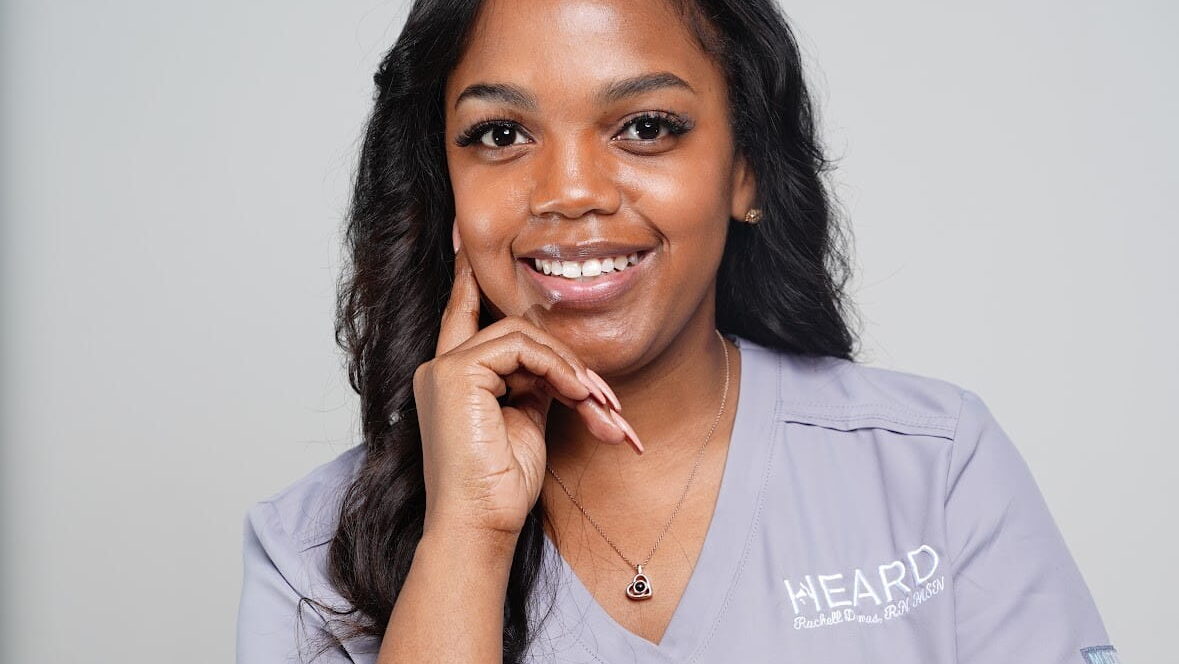
Rachell Dumas, RN, is a registered nurse, maternal health advocate, and health tech founder based in Atlanta. She is the founder and CEO of HEARD (Human Enabled AI Reporting and Documentation), an AI-powered patient safety and care navigation platform designed to help patients document concerns, escalate care issues, and improve communication across healthcare settings. She is also the founder of A Light After Nine, a nonprofit supporting families navigating pregnancy loss and complex maternal journeys. Rachell’s work sits at the intersection of maternal health equity, patient safety, and responsible AI in healthcare. She is an active voice in the Atlanta health innovation ecosystem and frequently speaks on communication-driven harm, patient advocacy, and building technology that centers the patient experience.
Stay connected with Rachell and the HEARD community for more advocacy resources and insights on LinkedIn, TikTok, and Instagram, or visit A Light After Nine to learn more.

By subscribing, you consent to receive emails from BlackDoctor.com. You may unsubscribe at any time. Privacy Policy & Terms of Service.