As if we didn’t already have enough coronavirus-related problems, now, we’re experiencing a meat shortage because of the coronavirus outbreak in meatpacking plants around the country. Some of the affected plants are even closed indefinitely because so many of the workers are home ill.
This shortage has had a ripple effect across various industries. Wendy’s, for example, has had to take burgers off the menu at several locations because they have no burgers (their brand moto is they serve fresh, not frozen beef). A New York Times article details how grocery store chains like Kroger and wholesalers like Costco are limiting the amount of meat customers can purchase.
If you have ever thought about changing to a plant-based diet or limiting your meat intake, this may be the best time. One of the greatest benefits to a plant-based diet is lowering your risk for heart disease, but as pointed out in an article by the Harvard Medical School, all plant-based diets are not created equal.
IT’S ABOUT THE CHOICES
More and more Americans are reducing their meat intake and that was before the meat shortage. Choosing the correct plants to give you maximum nutrition is key to healthy eating. Dr. Ambika Satija of the Department of Nutrition at the Harvard T.H. Chan School of Public Health says the focus needs to be on the quality of plant food.
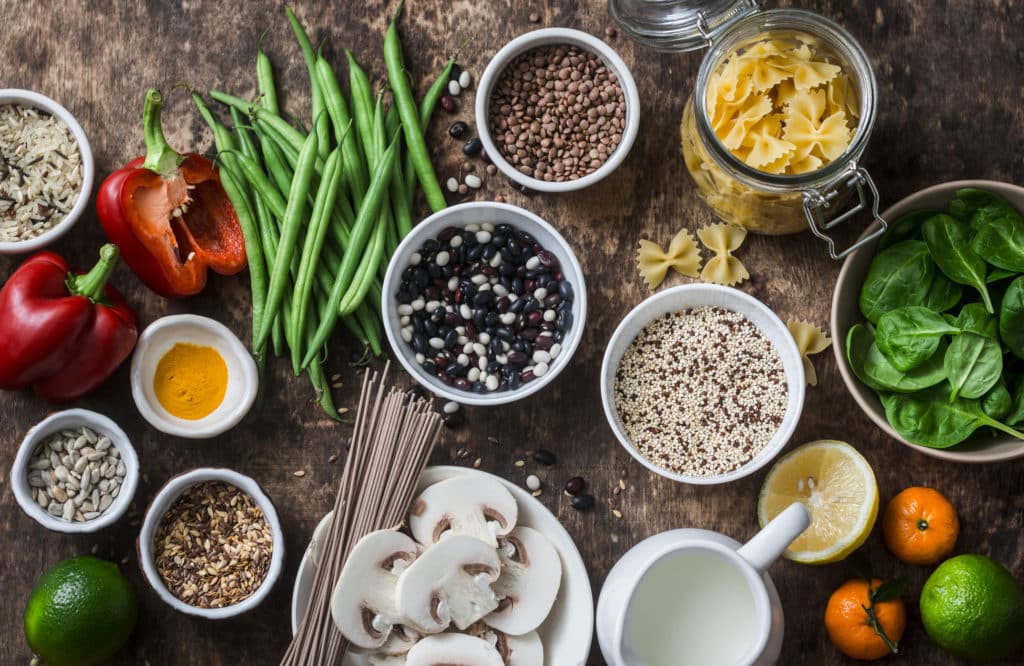
There are many plant-based diets, but the most beneficial ones underscore specific foods related to healthy heart advantages such as vegetables, whole grains, legumes, nuts, fruits, and healthy oils like olive oil. When you eliminate meat from your diet you run the risk of having low iron.
Here are a few diets that have been studied for their effect on heart health.
Mediterranean Diet
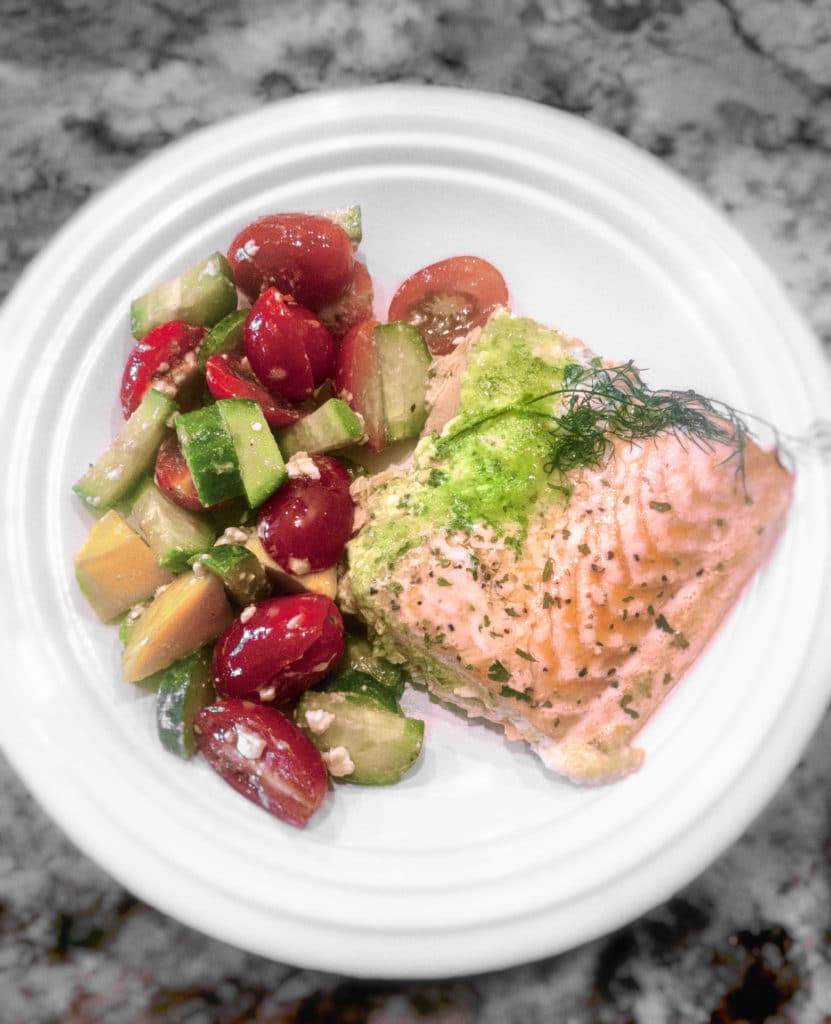
This diet is based on the gastronomy of people living near the Mediterranean Sea where studies show people in this region have a lower rate of cardiovascular diseases. Foods attributed to this diet are high in beans, whole grains, fruits, vegetables, nut and seeds and olive oil. The foundation of this diet is plant-based meals created around vegetables, fruits, herbs, nuts, beans and whole grains and here is modest consumption of fish, poultry, dairy and occasional red meat. Along with these mainstays of the Mediterranean Diet, olive oil is an essential source of added healthy fat that has been shown to lower total cholesterol. Moreover, use herbs and spices native to this region to enhance meals and this should help to cut down on the use of sodium.
DASH Diet
Dietary Approaches to Stop Hypertension (DASH) is designed to treat and prevent hypertension and to reduce blood pressure without medication. The premise behind the DASH Diet is to reduce your sodium intake and eat foods rich in nutrients that lower blood pressure like magnesium, potassium and calcium. This diet promotes large amounts of vegetables, fruits, low-fat dairy with a modest portions of poultry, nuts, fish and whole grains. The standard DASH Diet allows people to stay within the 2,300 mg of sodium per day as recommended by the Dietary Guidelines for Americans.
Pescatarian Diet
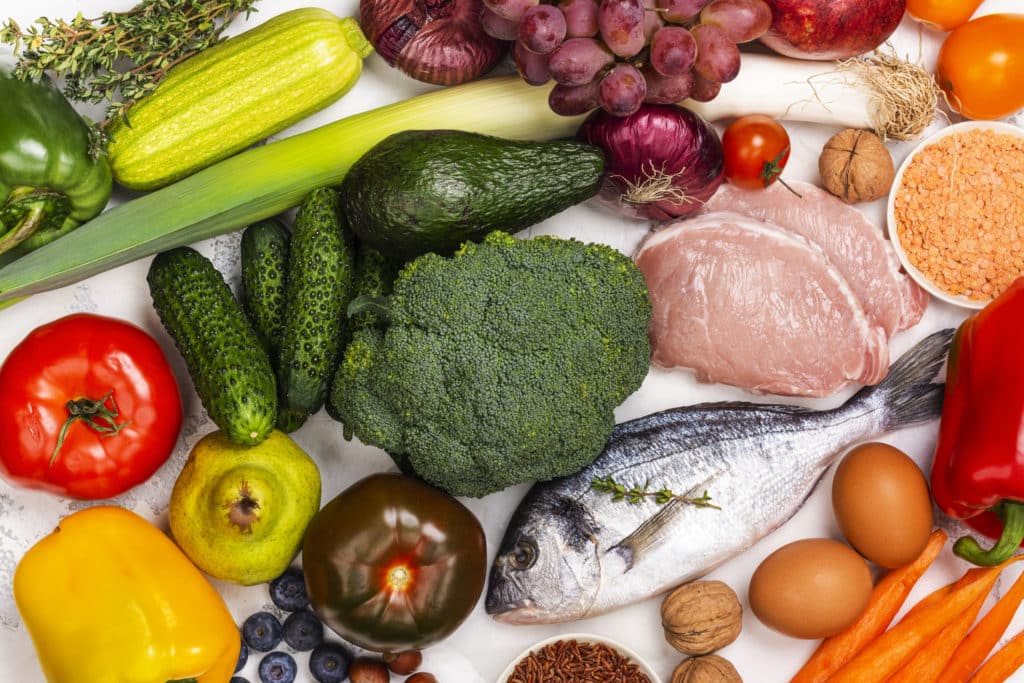
This diet is mostly plant-based with the exception of seafood as well as nuts, seed, whole grains, eggs, dairy, and beans. Pescatarians don’t consume any meat including chicken, pork, beef, lamb or turkey. They will eat a wide variety of seafood such as salmon, sardines and herring, which are a good source of protein, like meat, but without the negative cardiovascular effects. Seafood is low in saturated fats and some are rich in heart-healthy omega-3 fatty acids.
But, as is the case with most things, you can consume too much. Seafood such as tuna and swordfish can contain mercury, a heavy metal that can have an adverse effect on your health. If considering this diet, consider fish that has lower mercury like salmon, lake trout, sardines, mackerel and herring.
Vegetarian Diet
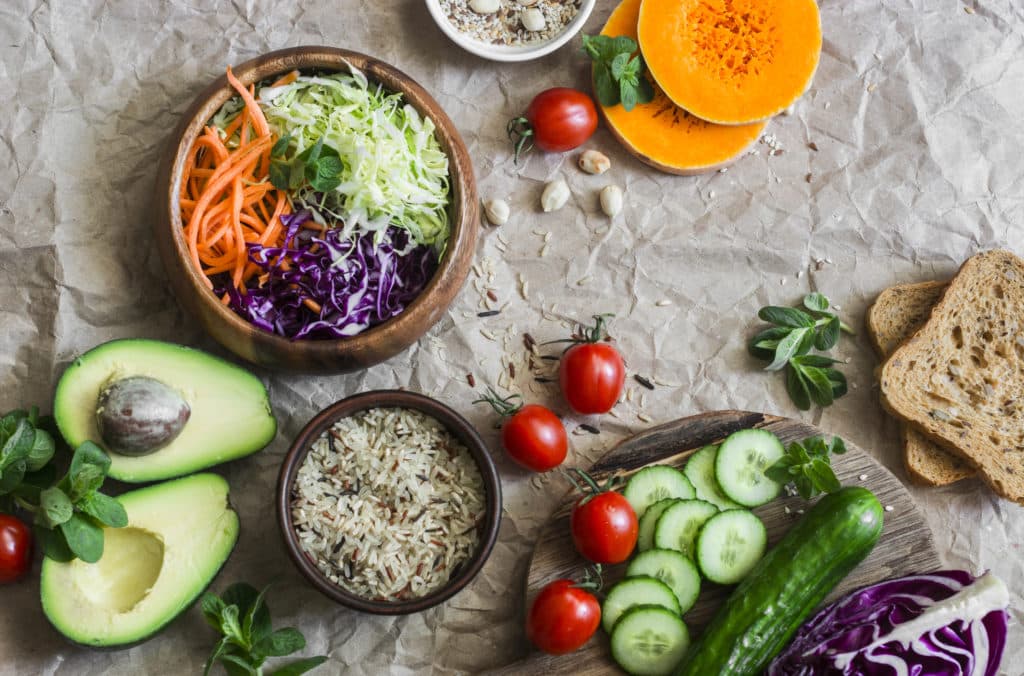
Consumers of a vegetarian diet eat no animals. They eat fruits, vegetables, nuts, whole grains, beans and seeds. Some vegetarians do add eggs and dairy to their meals, however, and are known as lacto-ovo vegetarians. Individuals who eliminate eggs are considered lacto-vegetarians. Others who eat eggs and delete dairy from their diet are considered ovo-vegetarians. Contrary to what some believe, vegetarians have a wide spectrum in meal choices.
Vegan Diet
Being a vegan is not only a diet, but a lifestyle. Vegans eat no animals or animal byproduct, which includes eggs, dairy and honey. They also don’t wear any leather or, fur or use any cosmetics that are associated with animals. Their diets usually consist of fruits, vegetables, tofu, whole grains, nuts, seeds, beans, legumes, herbs and spices.
Changing to a plant-based diet will take some discipline, but if you are committed, you can leave meat behind and become one of the millions who have put eating animals in their rear-view mirror.


By subscribing, you consent to receive emails from BlackDoctor.com. You may unsubscribe at any time. Privacy Policy & Terms of Service.