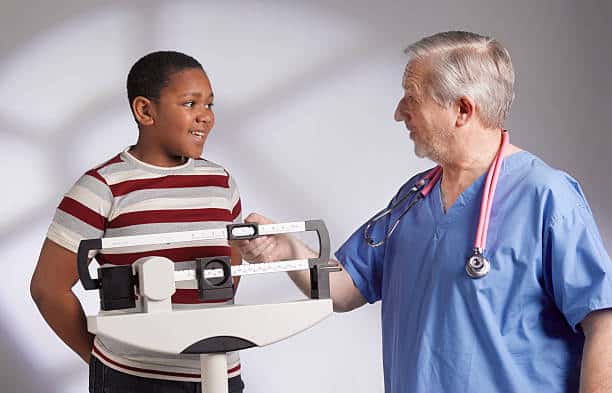
Overweight kids don’t have it easy, and a new study warns they may also have an increased risk for type 1 diabetes later in life.
“A critical window exists in childhood to mitigate the influence of adiposity [being severely overweight, or obese] on the escalating numbers of type 1 diabetes diagnoses,” says the study’s lead author, Tom Richardson, a research fellow at the University of Bristol in England.
Being overweight for many years in childhood also boosts the risk of other diseases like asthma, the researchers found.
It’s well-established that obese children are more likely to develop type 2 diabetes, and that losing weight can reduce that risk.
But the link between childhood obesity and type 1 diabetes has been less clear, so Richardson’s team decided to examine the association by analyzing genetic data from more than 400,000 people in the United Kingdom.
The researchers concluded that greater obesity in early life increases the risk of type 1 diabetes later in life. They said it’s likely that rising rates of childhood obesity are a factor in the sharp increase in the number of type 1 diabetes diagnoses over the last 20 years.
The U.K. researchers also found that long-term childhood obesity increases the risk of other diseases with an immune component, including asthma, eczema and hypothyroidism.
RELATED: How Parents Can Take Charge of Childhood Obesity
“The effect of childhood obesity directly increases type 1 diabetes risk, emphasizing the importance of implementing preventative policies to lower the prevalence of childhood obesity and its subsequent influence on the rising numbers of cases for this lifelong disease,” Richardson said in a university news release.
Children and teens in America are three times more likely to be overweight than they were 30 years ago. According to the National Center for Health Statistics, about one out of four U.S. children is now overweight or obese. While there are a few mysteries and unanswered questions behind this epidemic, some of the causes are painfully clear. Young people in the country may be the least active generation in history, and they’re also world-class consumers of high-fat, high-calorie junk food.
The extra weight has set off a wave of obesity-related conditions in children and teens, including asthma, high cholesterol, and high blood pressure. There has even been an upsurge in cases of childhood type 2 diabetes, an illness that used to be extremely rare before middle age. Overweight children are also vulnerable to depression and low self-esteem. Even though more kids than ever are on the heavy side, the stigma remains.
Obesity is a serious, long-lasting health problem that young people can’t be expected to tackle on their own. It has to be a family effort.
Doctors use the Body Mass Index (BMI) to determine if a child (or adult) is overweight, underweight, or normal weight. The formula for BMI is a little complicated, but it’s easy to find a BMI calculator online. The NIH has one here. If you know your child’s height and weight, you can just enter the numbers and instantly get your result.
The expected BMI for children changes with age, and it’s different for boys and girls. To see how your child measures up, check where he or she lands on the CDC’s growth charts. The chart for boys is here and the chart for girls is here. Children and teenagers between the 85th and 95th percentile BMI are generally considered overweight; those at or above the 95th percentile are generally considered obese.
It’s going to take a group effort to help your child reach a healthier weight and a healthier life. Your family or doctor can help by checking for weight-related health problems such as high blood pressure and or prediabetes. Many hospitals offer weight loss programs specifically aimed at children and teens. But no matter how much help you get from the outside, much of the work will have to happen at home.
Here are some tips from federal health agencies to help your child stay active:
Here are some tips to encourage healthy eating:


By subscribing, you consent to receive emails from BlackDoctor.com. You may unsubscribe at any time. Privacy Policy & Terms of Service.