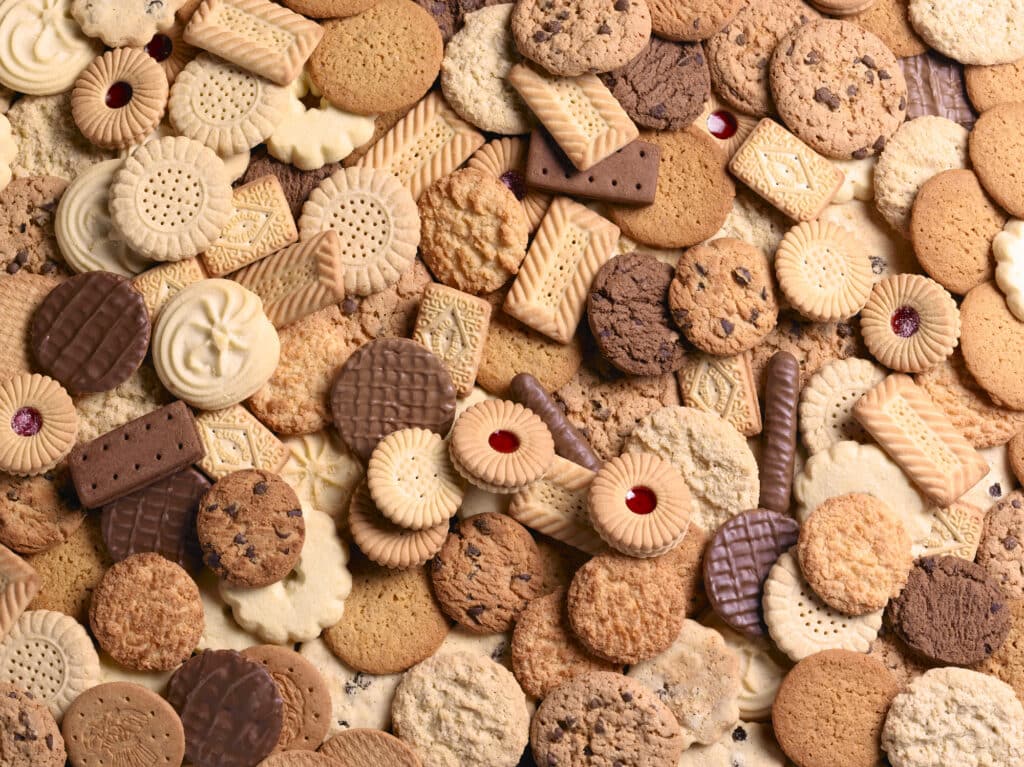
Are cookies the next drug?
New research suggests that a particular treat can elicit the same reaction and activate the brain in a similar manner as cocaine and morphine.
Joseph Schroeder, an assistant professor of psychology and director of the Behavioral Neuroscience Center at Connecticut College, presented the study at the Society for Neuroscience conference in San Diego, Calif. The cookie that the study focused on?
Oreos weren’t specifically singled out for their ability to trigger a snack attack, they were just a handy device to get enough fat and sugar in the rat’s habitat, Schroeder said.
For their study, the students gave Oreos to hungry rats on one side of a maze, and on the other side of the maze they gave them a “control” food, in this case, rice cakes (Prof. Schroeder comments that like humans, rats do not seem to relish rice cakes very much).
Then they gave the rats the option to go to either side of the maze (without the food present), and measured how long they spent on the side where they were typically fed with Oreos compared with the side they were fed with rice cakes.
The researchers then repeated the experiment with another group of rats. This time, instead of feeding them Oreos and rice cakes, they injected them with addictive drugs – such as cocaine and morphine – when they were on one side of the maze, or saline, when they were on the other side. (Prof. Schroeder is licensed to carry out this kind of experiment).
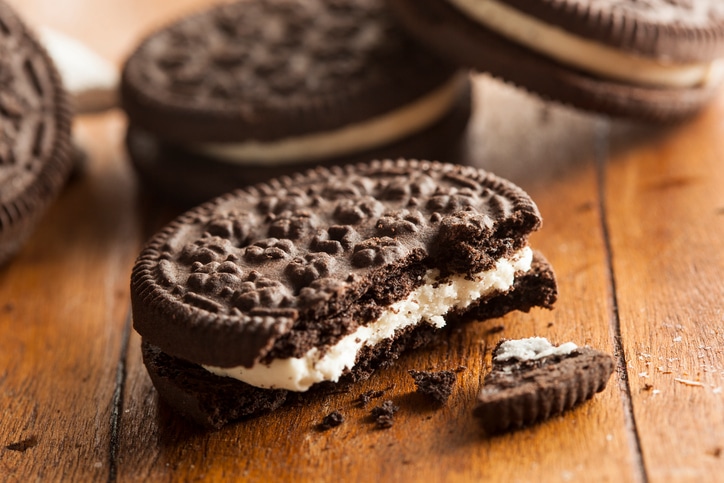
A spokeswoman for Mondelez International, which owns Nabisco, the maker of the iconic sandwich cookie, cautioned people…
…against associating Oreo with the findings since the cookies were used as “a proxy for a non-specific ‘sweet’ variable.”
“While it may seem simple to bucket foods as ‘good’ or ‘bad,’ the reality is that foods are complex, and encouraging people to enjoy a balanced diet paired with physical activity is most important,” the spokeswoman said in a statement.
The experiment was actually conceived by Schroder’s neuroscience student, Jamie Honohan, to examine the effects of high-fat and high-sugar foods on the brain. Honohan said she is interested in examining the effects of high concentrations of fatty and sugary foods in lower-income areas where there tend to be higher rates of obesity.
“My research interests stemmed from a curiosity for studying human behavior and our motivations when it comes to food,” said Honohan. “We chose Oreos not only because they are America’s favorite cookie, and highly palatable to rats, but also because products containing high amounts of fat and sugar are heavily marketed in communities with lower socioeconomic statuses.”


By subscribing, you consent to receive emails from BlackDoctor.com. You may unsubscribe at any time. Privacy Policy & Terms of Service.