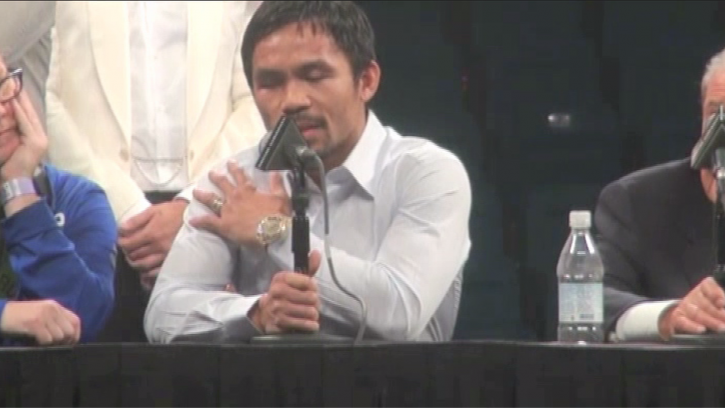
Some people say Manny Pacquiao was clearly not the same offensive-minded fighter he has been in previous fights during his recent bout with Floyd Mayweather. Others say Mayweather was just too good of a fighter. Regardless, there has been a lot of talk and controversy recently regarding Pacquiao having a pre-existing shoulder injury, which was not disclosed prior to the fight.
According to ESPN.com, Manny Pacquiao will undergo right shoulder surgery later this week by orthopedic surgeons to repair a “significant tear” in his rotator cuff and may be out for 9-12 months. He may be fined or even suspended due to the fact that he answered “no” on the questionnaire of whether he had any shoulder problems before the fight.
Shoulder injuries are not only reserved for elite athletes. Below, I share what it means to have a rotator cuff injury, symptoms you can look out for and what Pacquiao’s prognosis will be after surgery.
What is the rotator cuff?
The rotator cuff is a group of muscles and tendons that surround the shoulder joint, keeping the head of your upper arm within the shoulder socket and stable.
What is a rotator cuff tear?
This occurs when one or more of the tendons that make up the cuff are torn from overuse or injury. This can happen acutely (as during a boxing match or other strenuous activity) or chronically (over time).
What are the symptoms?
Pain, which is usually exacerbated by overhead activities. This pain can be worse at night and when sleeping on the involved side. The pain is usually in the front of the shoulder and may travel to the side of the arm. Simple activities such as brushing your hair or teeth or reaching for overhead items in your kitchen cabinet may worsen the pain. This can be accompanied by weakness and loss of motion in the affected arm.
Who gets rotator cuff injuries?
Rotator cuff injuries occur in people who repeatedly perform overhead motions in their jobs such as tennis players, painters, carpenters and boxers. It may also occur with people who have poor posture and as a normal part of the aging process. A study in 1999 showed that 55% of people over the age of 60 have a rotator cuff tear, but may not have any pain or symptoms related to it.
How is it diagnosed?
In a clinic, your doctor may be able to do special diagnostic tests, which can suggest a rotator cuff tear by moving your arm up and down and palpating over the rotator cuff tendons. He or she may order an x-ray of the shoulder to rule out any fractures and an MRI which may show fluid around the rotator cuff tendon, suggesting a tear.
What are my options for treatment?
Generally speaking, most patients will undergo a trial of conservative treatment including ice packs, physical therapy, anti-inflammatory medications such as Motrin or naproxen, and avoidance of overhead activities prior to any surgical intervention. If you have a partial (small) rotator cuff tear, rest, pain meds, and physical therapy may be all that you need. If the MRI shows that you have a full (large) tear, surgery may be required. Continued pain despite these conservative treatment options is any indication for surgery.
What does surgery entail?
Most Orthopedic Surgeons can perform your surgery as an outpatient using three small incisions around your shoulder called arthroscopic shoulder surgery. A small camera, called an arthroscope, and light source are inserted into your shoulder to either debride (clean up) your frayed rotator cuff tendons or repair them with sutures. The camera displays pictures on a television screen and the surgeon uses these images to perform the surgery. Majority of the time, if everything goes well with surgery, you may be allowed to go home the same day.
What will my recovery look like?
After surgery, rehabilitation plays a vital role in getting you back to your daily activities. Rehab will progress in stages beginning immediately after surgery. Your arm will need to be protected while the tendons heal, so you expect to be in a sling or other immobilization device for up to 4-6 weeks immediately after surgery. This will be followed by passive (with help from your therapist) movements of your shoulder and then active (without the help of your therapist). After 8-12 weeks, you will begin a strengthening exercise program. Most people can expect functional improvements in strength and motion 6-9 months after surgery.
What about Pacquiao?
In an active person, such as Pacquiao, surgery is usually warranted to allow for a swift return back to training. After surgery is completed, Pacquiao can be back to training in about six months where he will work to regain strength and endurance. He can then be expected to be back in the ring competing in as little as nine months to a year.
The question the whole world is wondering is, will there be a rematch between Mayweather and Pacquiao? Only time will tell.
For more great articles, click here.
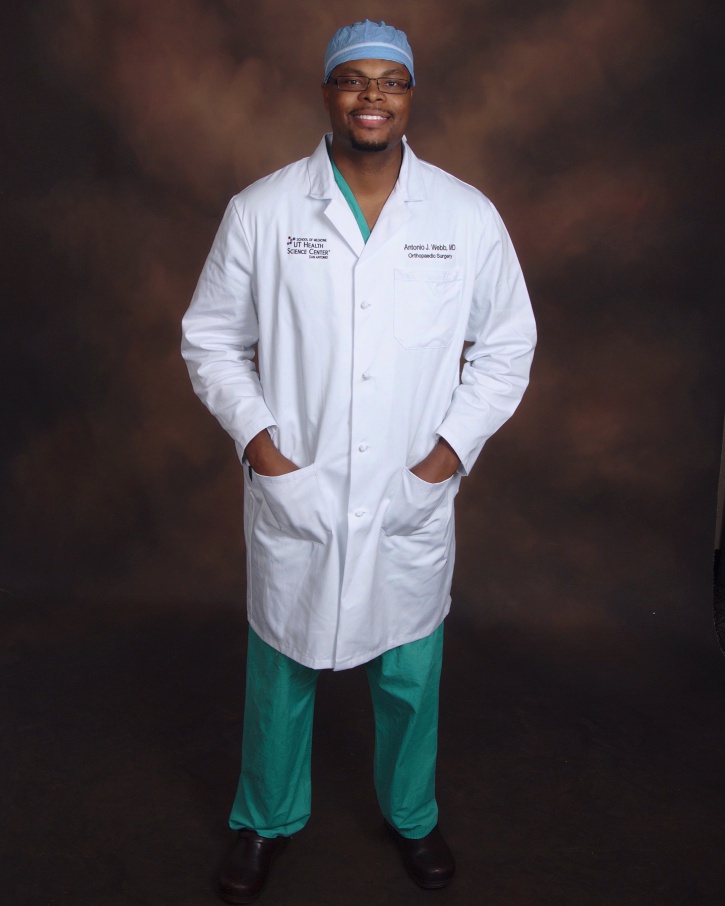
Antonio J. Webb, M.D. is an Orthopaedic Resident Surgeon, Iraq combat veteran, motivational speaker and author of “Overcoming the Odds: From war on the streets of Louisiana to war on terrorism in Iraq, how I successfully overcame the odds.” Follow him: Facebook: Facebook.com/awebbmd Instagram: @overcomingtheoddsbook Twitter: @drwebb82 Amazon: amazon.com/author/antoniowebbmd


By subscribing, you consent to receive emails from BlackDoctor.com. You may unsubscribe at any time. Privacy Policy & Terms of Service.