Polycystic ovary syndrome (PCOS) is a common hormonal disorder affecting as many as 20% of reproductive-aged women worldwide. Two factors implicated in the development of PCOS – obesity and insulin resistance, are also risk factors for type 2 diabetes. In fact, studies show that one out of every two premenopausal women with morbid obesity will be diagnosed with PCOS. A recent study also found that women with PCOS are four times as likely to be diagnosed with type 2 diabetes when compared to women without PCOS.
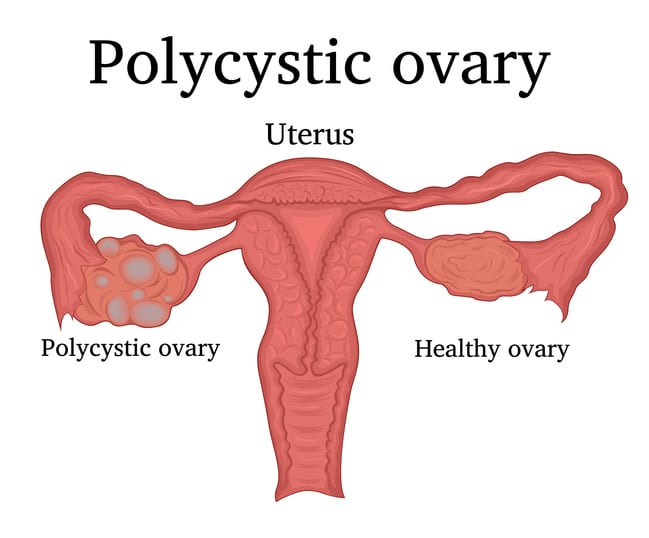
PCOS is a condition in which a woman has an imbalance of female sex hormones which may lead to changes in the menstrual cycle, cysts in the ovaries, skin changes such as increased facial and body hair and acne, and trouble getting pregnant.
Women of all ethnicities can be affected by PCOS. However, African American women have increased rates of hirsutism (excess hair growth on the face, chest, belly, or upper thighs), a higher risk of cardiovascular disease or metabolic syndrome, obesity and a lower likelihood of successful in vitro fertilization.
READ: Men: Undiagnosed Type 2 Diabetes May Be Hurting Your Sex Life
If you have PCOS, you are more likely to be diagnosed with type 2 diabetes as compared to a woman without PCOS. Dr. Lakeisha Richardson, a board-certified OB/GYN, in Greenville, Mississippi, says there are several reasons why women with PCOS are at increased diabetes risk. “One reason is because insulin resistance is a feature of PCOS. Secondly, most women with PCOS are obese which is another risk factor for type 2 diabetes.”
Obesity is also a risk factor for insulin resistance – particularly abdominal obesity, with fat accumulating around the belly. It is estimated that between 30 and 70% of women with PCOS are obese and 65 to 70% are insulin resistant.
Insulin is the hormone that helps move glucose into your cells to be used as energy. When you have insulin resistance, your body may be making plenty of insulin, but the insulin is unable to do its job properly. As a result, the body needs higher levels of insulin to help glucose enter cells. Over time, as insulin resistance progresses…
…insulin production gradually decreases, eventually reaching a level of deficiency. Without enough insulin, glucose builds up in the bloodstream, leading to type 2 diabetes.
The treatment of PCOS depends on your goals and may involve weight loss, diet, and medications. Losing weight, even a modest weight loss of 5%, can help treat the hormone changes and health conditions such as diabetes, cardiovascular disease or metabolic syndrome. Dr. Richardson says, “Overall, I try and educate women that are diagnosed with PCOS on how important diet and exercise is for their long-term wellbeing. Maintaining a healthy weight also improves fertility, helps regulate menses, and decreases fatty tissue.”
READ: PCOS & Social Anxiety: How To Rock Confidence & Drop The Worry
From the dietary perspective Theresa Link, RD, CDE, a clinical dietitian at VirtaHealth.com, an online specialty clinic for reversal of type 2 diabetes, recommends treating insulin resistance. “I recommend reducing the very foods that increase insulin levels the most. These include foods with added sugars like sweets, desserts and sugar-sweetened beverages; natural sugars found in bread, grains, cereals, and high sugar fruits.
Increasing fat in the diet helps boost satiety, and fat has little to no impact on insulin levels,” says Link. Studies show the type of fat in the diet is more important than the quantity. Choose healthy fats such as nuts, avocados and olive and canola oils.
Your doctor may recommend birth control pills to make your periods more regular. Birth control pills may also help reduce abnormal hair growth and acne. Another medication Glucophage – also called metformin, may be recommended to make your periods regular, prevent type 2 diabetes and help you lose weight.

Constance Brown-Riggs, MSEd, RD, CDE, CDN is a registered dietitian, certified diabetes educator, national speaker and author of The African American Guide to Living Well with Diabetes.. She is a Dannon One Yogurt Every Day Nutrition Advisor.


By subscribing, you consent to receive emails from BlackDoctor.com. You may unsubscribe at any time. Privacy Policy & Terms of Service.