For adults with chronic low back pain (cLBP), physical therapy (PT) may be beneficial as first-line therapy, according to a study published online April 21 in the Annals of Internal Medicine.
Julie M. Fritz, Ph.D., P.T., from the University of Utah in Salt Lake City, and colleagues compared the effectiveness of PT and cognitive behavioral therapy (CBT) as first-stage treatment and switching treatments versus mindfulness as second-stage treatment. Adults with cLBP were randomly assigned to PT or CBT in stage I (374 and 375, respectively); among nonresponders, 210 were randomly assigned to mindfulness and 213 to eight weeks of stage II treatment switching (110 to PT and 103 to CBT).
The researchers found greater improvement in function in the PT group after 10 weeks (adjusted mean Oswestry Disability Index difference, 2.8, which was lower than the minimum important difference of 6); no significant difference was seen in pain intensity. No differences were seen in stage II treatments for nonresponders for either function or pain intensity after 52 weeks.
“We found some benefits to PT as the first treatment offered to patients, but could not detect subgroup differences, and effect sizes were small. Our results support PT as a first-line option for cLBP, and no differences in the potential benefits of second-line care with mindfulness or switching for nonresponders. There is a need for studies examining how best to implement care pathways that improve treatment initiation,” the authors write.
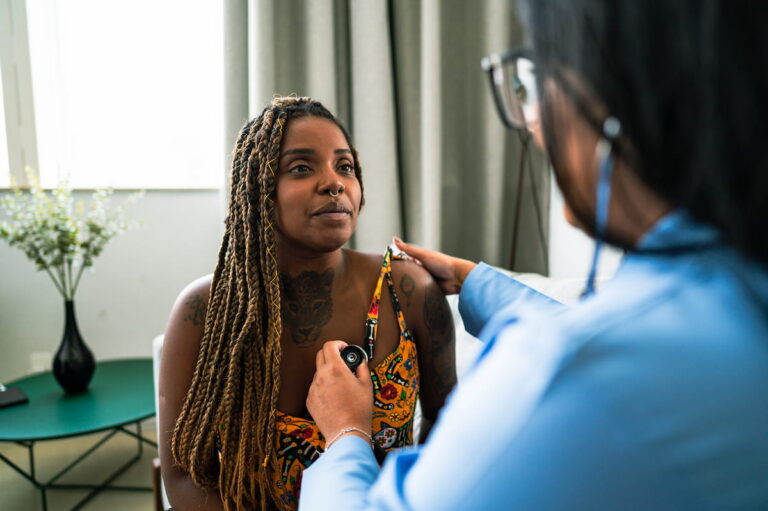
Black people are more likely to work physically demanding, low-wage jobs — such as construction, manufacturing, and service work — which can increase the risk of chronic low back pain and long-term physical strain.
Research also shows that Black Americans with chronic back pain also report more severe pain than white individuals. At the same time, Black patients are less likely to receive adequate pain treatment. They may experience undertreatment due to implicit bias and harmful misconceptions, including the false belief that Black people have a higher pain tolerance.
These disparities can make it harder for Black people to access quality pain care and long-term treatment options.
RELATED: Why Chronic Pain Might Be Making Everyday Sounds Feel Worse (And What You Can Do)
When we do seek help for chronic back pain, a few barriers can keep us from accessing pain management, including:
Research also shows that Black people with musculoskeletal pain conditions are less likely to receive physical therapy than white people.
Physical therapy may offer benefits beyond pain medication alone because it addresses the root cause of pain. It can help improve strength, flexibility, posture, and movement patterns that may contribute to chronic pain.
For some patients, physical therapy can help reduce reliance on prescription pain medication while improving mobility and day-to-day function — without the long-term risks associated with opioid use.

Managing chronic pain may require a multidisciplinary approach to get the most relief.
Here are some other therapies that can be implemented alongside physical therapy.
Please talk with a physical therapist to determine which additional therapies you may benefit from.
The latest research suggests physical therapy may help relieve chronic low back pain and improve daily functioning over time. For Black people — who often experience more severe back pain and greater barriers to quality care — physical therapy may offer a safer, more sustainable approach to pain management when combined with comprehensive care and support.
Abstract/Full Text (subscription or payment may be required)


By subscribing, you consent to receive emails from BlackDoctor.com. You may unsubscribe at any time. Privacy Policy & Terms of Service.