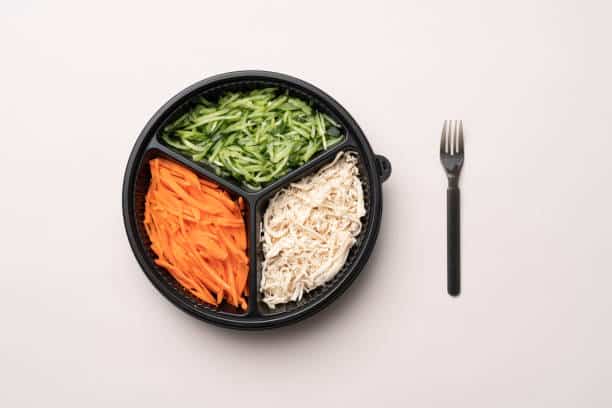
Haven’t heard of it? Plate-mapping is essentially an easy way to visualize balanced nutrition. Also called the Plate Method, this approach works by providing a simple, effective, inexpensive way to optimize your meals. In a world filled with fad diets and obsessive calorie-counting, it’s a great option if you’re short on time. It’s also been popularized by organizations like the American Diabetes Association and the USDA’s MyPlate, so you know it’s backed by science. Are you tired of restrictive eating or needing to do ‘meal math’ simply to sit down and enjoy some food? Then plate-mapping might be the perfect solution. Let’s break it down step by step. RELATED: Fasting vs. Calorie Cutting: Which One Really Works?
You can think of plate-mapping as a portion-control hack. Basically, it’s a way to divide a nine-inch standard plate into four quadrants. Half of the plate is reserved for vibrant non-starchy veggies. A quarter of the plate is for lean protein – roughly three inches – and the other quarter is for whole grains. Then, to finish it all off, you get a small side of healthy fats and/or dairy. Unlike rigid diets, this method is flexible. Whether you’re a vegetarian, a pescatarian, or a carnivore, an athlete, a single person, or a large family, plate-mapping can be adapted to your needs. The reason for this is simple. It’s about quality over quantity. That may sound odd, given that you’re dividing your plate into different sections, but it’s true. While you’re certainly controlling portions with this method, what’s more important is the quality of those portions. Although the portions may be smaller, their high nutritional value more than makes up for it. Each part of your plate can be loaded with goodies your body needs. Overall, the Plate Method prioritizes foods that keep you full, stabilize your blood sugar, and support long-term health. That is, without you feeling like you’re starving yourself! In today’s world of ultra-processed foods and metabolic dysfunction, plate-mapping is all about eating mindfully. You’re keeping an eye on your foods, and in a sense, creating your own nutrition-based art form.

Getting started is actually quite easy. Grab a plate, preferably one that is nine inches. Most are, but if yours is larger, try to find one that is the standard nine inches. The reason for this is that the size limits your meal to about 600 calories max, which prevents overeating. From there, fill up half of your plate with non-starchy vegetables. This is about four to five inches across. Choose for color. You want various colors, everything from leafy greens to broccoli and peppers. There’s also a lot of flexibility. You can steam, roast, or eat them raw to keep the nutrients intact. After you’ve got your veggies sorted, focus on protein. One quarter of the plate (two to three inches) should have lean protein sources, such as grilled chicken, fish, tofu, or eggs. For the healthiest outcome, try to get lean cuts. That will minimize saturated fats and give you the most bang for your buck. Then come the whole grains. The final quarter of your plate should be for fiber-loaded carbs. You have plenty of options here as well. The favorites are usually quinoa, brown rice, and sweet potatoes. Ideally, foods with low-glycemic indices so that your blood sugar doesn’t spike and crash. To finish it all off, throw in a thumb-sized serving of healthy fats. This could be some olive oil drizzle, a handful of nuts, or a small amount of dairy. Greek yogurt and low-fat cheese are top options for that. Whatever you do, don’t spoil it all with sugar! The last thing you want to do is prepare this beautiful dish and then down it with soda. With time, you’ll find it becomes quite easy to stick to this. You can repeat or refine meal after meal, even using a journal to track how you feel. If you find your energy levels vary and your stomach is still growling, you can swap in different foods for each portion. Not sure how to mix it up? Apps like MyPlate, JustaPlate, and My Plate Coach are absolutely fantastic.
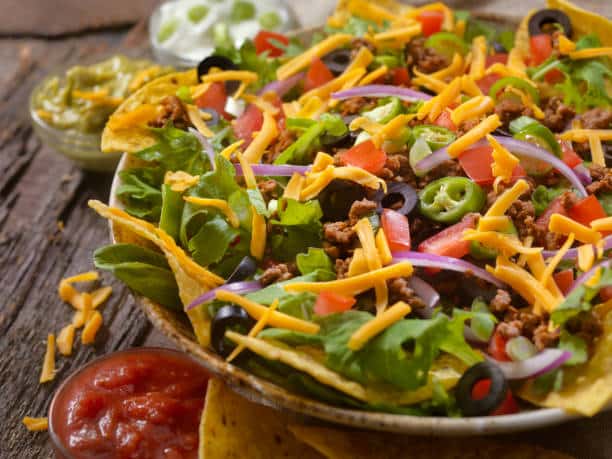
The Plate Method is more than just a practical way to manage your diet. It’s actually backed by decades of research. Among these studies, researchers find that visual cues alone can outperform strict, numerical calorie goals. It’s more sustainable and, therefore, healthier in the long term. If you’re wondering why the portions are set the way they are, you’re not alone. For starters, non-starchy veggies like spinach, zucchini, cauliflower, and tomatoes are a big part of your plate for a reason. Firstly, they’re low in calories but also sky-high in volume, fiber, vitamins, and minerals. This means that they make you feel full, even when you haven’t eaten that much. This is a great way to prevent you from mindlessly snacking. They are also high in antioxidants for inflammation, helping reduce risks for diabetes and heart disease by up to 20 percent in some studies. You’ll reap numerous health benefits while feeling satiated (but not weighed down). RELATED: 10 Foods That Make You Burn The Most Fat What’s not to love? Then there’s the lean protein. Foods like baked salmon, turkey breast, lentils, or cottage cheese all perform multiple functions. They repair muscles, they regulate hormones, and like the other ingredients on the plate, they keep you feeling full even longer. For better weight control and reduced type 2 diabetes risk, you can’t go wrong with these crucial proteins.
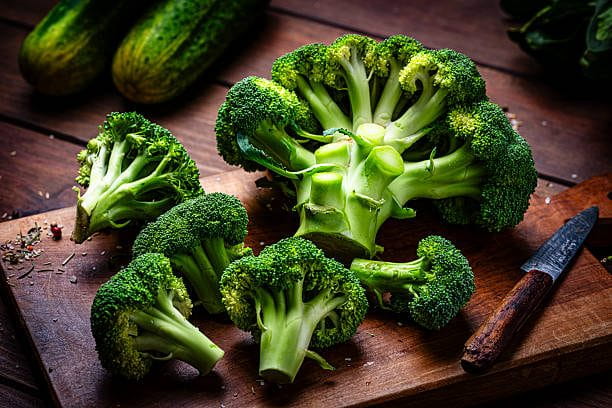
Of course, it doesn’t end there. The role of whole grains is also essential to the Plate Method. Options like barley, oats, or whole-wheat couscous offer a sustained energy release. This means fewer midday slumps and late-night cravings. They can also lower cholesterol levels while simultaneously fueling the healthy bacteria in your gut. For enhanced nutrient absorption and cellular energy, these whole grains are a must-have. And last but not least are the healthy fats and dairy. Think of these as ‘boosters’ for the rest of the goodies on the plate. Whether it’s a small number of avocado slices, almonds, or olive oil dressing, all of these help your body process nutrients. After all, one of the main issues in people with metabolic dysfunction is their ability to adequately absorb nutrients. In some cases, a person can eat quite healthily, but if they aren’t pairing these foods with others that aid absorption, their body simply doesn’t get the vitamins, minerals, and micronutrients from those foods that it needs. So try it out! From a veggie omelet for breakfast to a quinoa ‘power bowl’ for lunch or a turkey stir fry for dinner, the possibilities are truly endless. Check out the apps mentioned in this article, link up with online communities, and you’ll be amazed at how easy – and fun – eating right can be!


By subscribing, you consent to receive emails from BlackDoctor.com. You may unsubscribe at any time. Privacy Policy & Terms of Service.