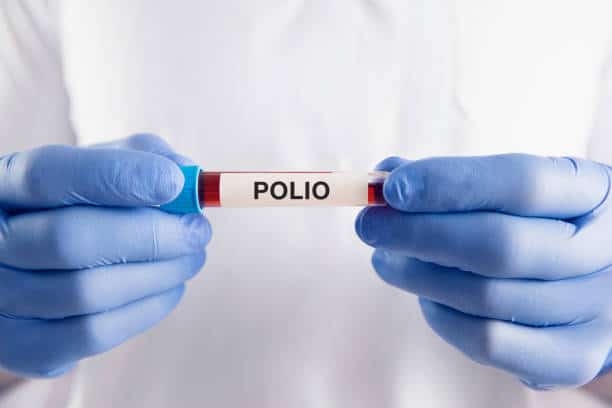
Even though New York Governor Kathy Hochul recently declared polio a state emergency after samples of the virus were found in wastewater in New York City and four surrounding counties, public health experts say it’s not time to push the panic button.
“The risk to the majority of the general public is very low,” says Hannah Newman, director of infection prevention at Lenox Hill Hospital in New York City. “Polio is something that we know how to prevent, the vaccine is part of our routine vaccination schedule, and our vaccine rates are high as a whole.”
The reason the virus is showing up in wastewater is likely due to dropping vaccination rates in select pockets of the state. The pandemic also caused many people to fall behind on important vaccinations.
Researchers first began testing wastewater after an unvaccinated person from Rockland County was diagnosed with polio in July.
RELATED: How Worried Should You Be About New Reports on Polio?
Polio, or poliomyelitis, is a disabling and life-threatening disease caused by the poliovirus.
According to the CDC, the virus spreads from person to person and can infect a person’s spinal cord, causing paralysis.
Most people who get infected with poliovirus don’t have any visible symptoms.
According to the CDC, about 1 out of 4 people (or 25 out of 100) with poliovirus infection will have flu-like symptoms that can include:
These symptoms typically last 2 to 5 days, then go away on their own.
However, some people may develop more serious symptoms. These include:
Polio enters the body through the mouth and is highly contagious.
It spreads through:
You can get infected with poliovirus if:
Other things to note about the virus:
The polio vaccine is seen as one of the greatest public health victories of all time. Before the vaccine became widely available in 1955, more than 35,000 people were paralyzed by polio each year and kids were at the highest risk.
“Polio was eradicated, but we do still get a series of shots as babies that are required to go to school,” Newman explains.
The U.S. Centers for Disease Control and Prevention recommends that children get four doses of the polio vaccine — at 2 months, 4 months, 6 through 18 months, and at ages 4 through 6 years.
Kids younger than 3 are at the highest risk for serious infection with polio. “Check your kids’ vaccine status, and if they are due [for] another dose, now is the time to get it,” she adds.
The message is clear, says Dr. Bernard Camins, medical director of infection prevention for the Mount Sinai Health System in New York City.
Those who are unvaccinated or not fully vaccinated should get immunized against polio right away.
“The best thing to do is to vaccinate as many people as possible, even if polio is only circulating at low levels in the community,” Camins adds. “If you were born before 1980, you are likely fully vaccinated as we were so strict back then and there was no objection to vaccinations.”
The new order is not a reason to vaccinate your kids early: It’s just a reminder to stay on top of their vaccine schedule. “If you missed some shots due to COVID-19, then make sure to catch up,” Camins says.
“I don’t think polio will be the next pandemic, as so many people have immunity,” he adds. “We will continue to see the disease smoldering and potentially a few more people will become paralyzed, but it won’t spread like COVID-19.“
Learn more about polio at the U.S. Centers for Disease Control and Prevention.


By subscribing, you consent to receive emails from BlackDoctor.com. You may unsubscribe at any time. Privacy Policy & Terms of Service.