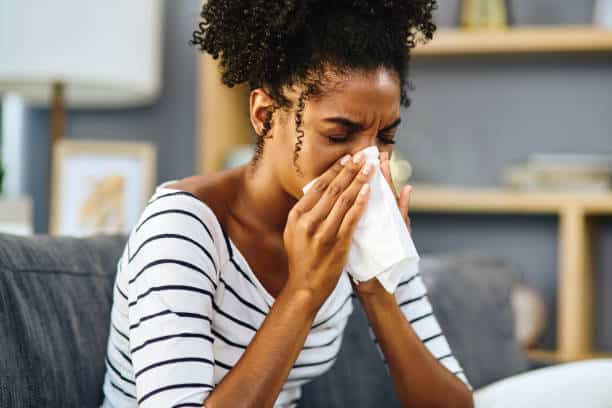
Does it seem as though your allergies are worse this year, with more sneezing, watery eyes and difficulty breathing than usual? You’re not imagining things — pollen has choked most of the U.S. in an unusually intense spring allergy season this year, which is a miserable reality for the nearly one in three adults and one in four children in the U.S. living with at least one allergy.
In some parts of the U.S. — the tree-lined city of Atlanta, for example — the amount of tree pollen in the air hit record levels.
Atlanta has broken its pollen count record, with 14,801 grains per cubic meter spewing from pine, oak, and birch trees. Houston also reported its highest pollen counts since 2013, when records began.
According to the Asthma and Allergy Foundation of America (AAFA), 2025 will be a brutal year for seasonal allergies across the country with southern cities being hit the hardest.
“In the springtime, the first pollen allergens are from trees, and that is starting 20 days earlier than it did 30 years ago,” Kenneth Mendez, CEO of AAFA said.
“We hear all the time, ‘I’ve never had allergies before and now I suddenly feel like I have allergies,’ or ‘I feel like my allergies are getting a lot worse,’ and that’s because the allergic load is that much higher because of climate change,” Mendez added.
There are several reasons why your allergies might suddenly seem worse:
For many people, pollen can be a more serious problem and can lead to dangerous complications or exacerbate other health issues. In fact, one study found that tree pollen allergies lead to 25,000 to 50,000 emergency room visits per year, two-thirds from people under the age of 18.
RELATED: Climate Change, Pollen, and Asthma – What Does This Mean For You?

The month, when pollen is highest, can vary depending on the specific types of pollen you are allergic to and your geographic location. However, April and May are often peak months for overall pollen counts in many regions, as this is when many trees and grasses release significant amounts of pollen.
Pollen forecasts for your local area can provide more specific information.
Of all the things that cause allergic reactions, pollen is the most widespread. Why? Mainly because it’s so hard to avoid. Many trees and grasses use a much more primitive form of sexual reproduction: they literally cast their pollen to the winds so it will drift onto the plants’ female sex organs. Pollen from such trees and grasses is tiny, light, and dry — perfect for floating on the wind, and, unfortunately, perfect for getting inhaled into your nose or stuck in your eye. Once pollen sticks to your nose or eye, it releases the protein inside it. It’s this protein that triggers allergic reactions.
There are two steps to this process: First, a person has to be sensitized to a particular pollen. The pollen protein is recognized by the immune system as a foreign invader. The second step occurs only in people already sensitized to a specific pollen protein. When the protein hits the nose or eye, a flood of antibodies travel to the nose, where it sits until triggered by pollen protein, unleashing a flood of histamine and other factors that cause the immune responses we know as allergy.
RELATED: Stop The Sneezing! 3 Ways To Avoid Spring Allergies
Pollen allergy, also known as hay fever or allergic rhinitis, can cause a range of symptoms, including:
Nasal Symptoms:
Eye Symptoms:
Other Symptoms:

The most common kind of allergy drugs are antihistamines. Histamine is a chemical messenger that triggers allergy attacks by flipping switches on cells called histamine receptors. Antihistamines block these receptors. But they can’t block every histamine receptor on every cell. The problem is they don’t go to every cell. And the blockade is only short term — it only works for a certain half-life.”
Intranasal antihistamines work a little better. They, too, block histamine receptors. But they also stabilize the membranes on mast cells, preventing the release of allergy-promoting factors and reducing swelling.
A third kind of allergy drug is a corticosteroid nasal spray. This drug has a more global effect on mast cells, suppressing their activity. They block the release not only of histamine but of other allergy-promoting factors.
RELATED: 8 Drug-Free Tips to Fight Spring Allergies
There isn’t one single “best” solution, as the most effective approach often involves a combination of strategies tailored to your individual needs and the severity of your allergies. However, common and effective solutions include:
Reducing Exposure:
Medications:


By subscribing, you consent to receive emails from BlackDoctor.com. You may unsubscribe at any time. Privacy Policy & Terms of Service.